
Katschner’s Carbon-Neutral Bakery
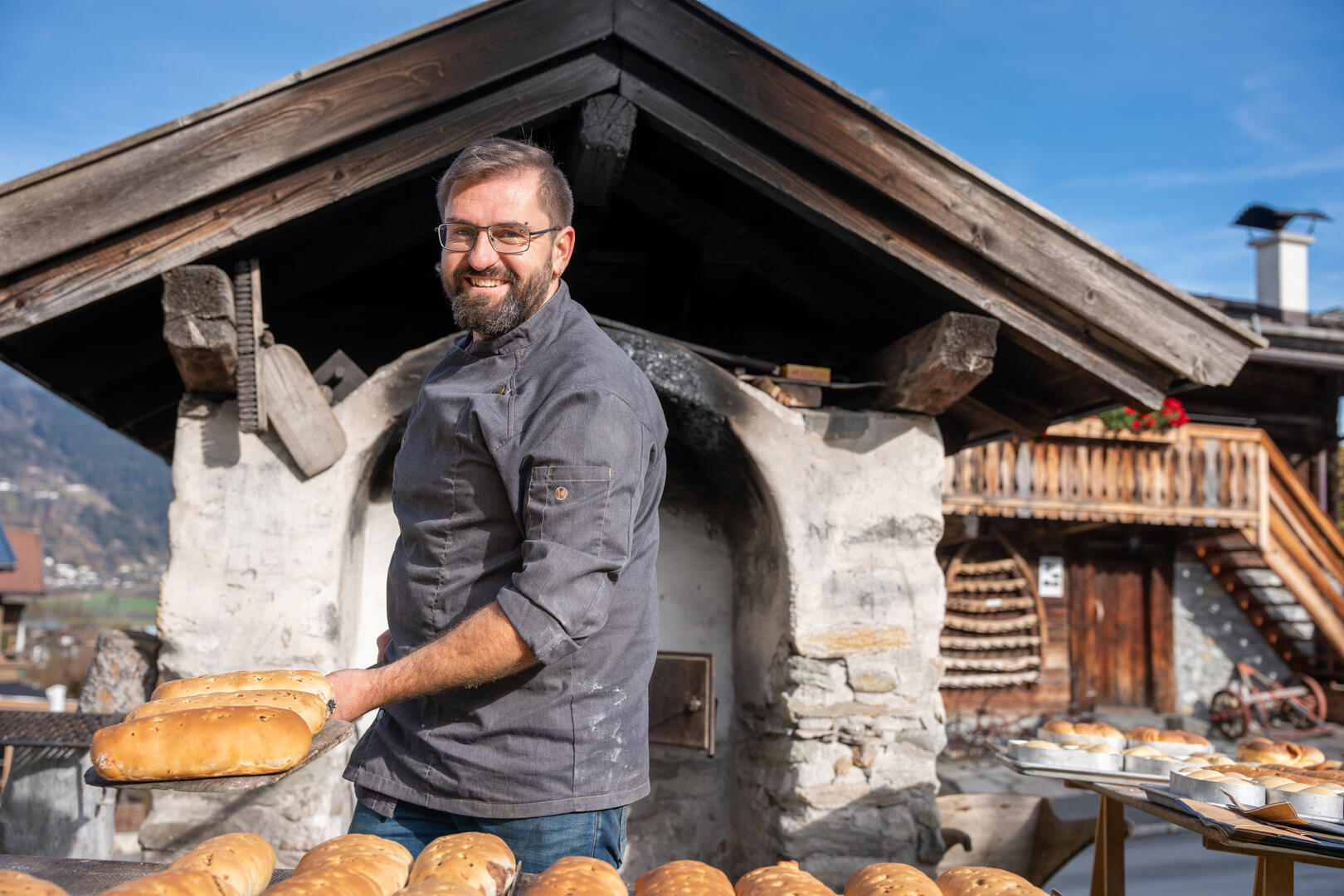
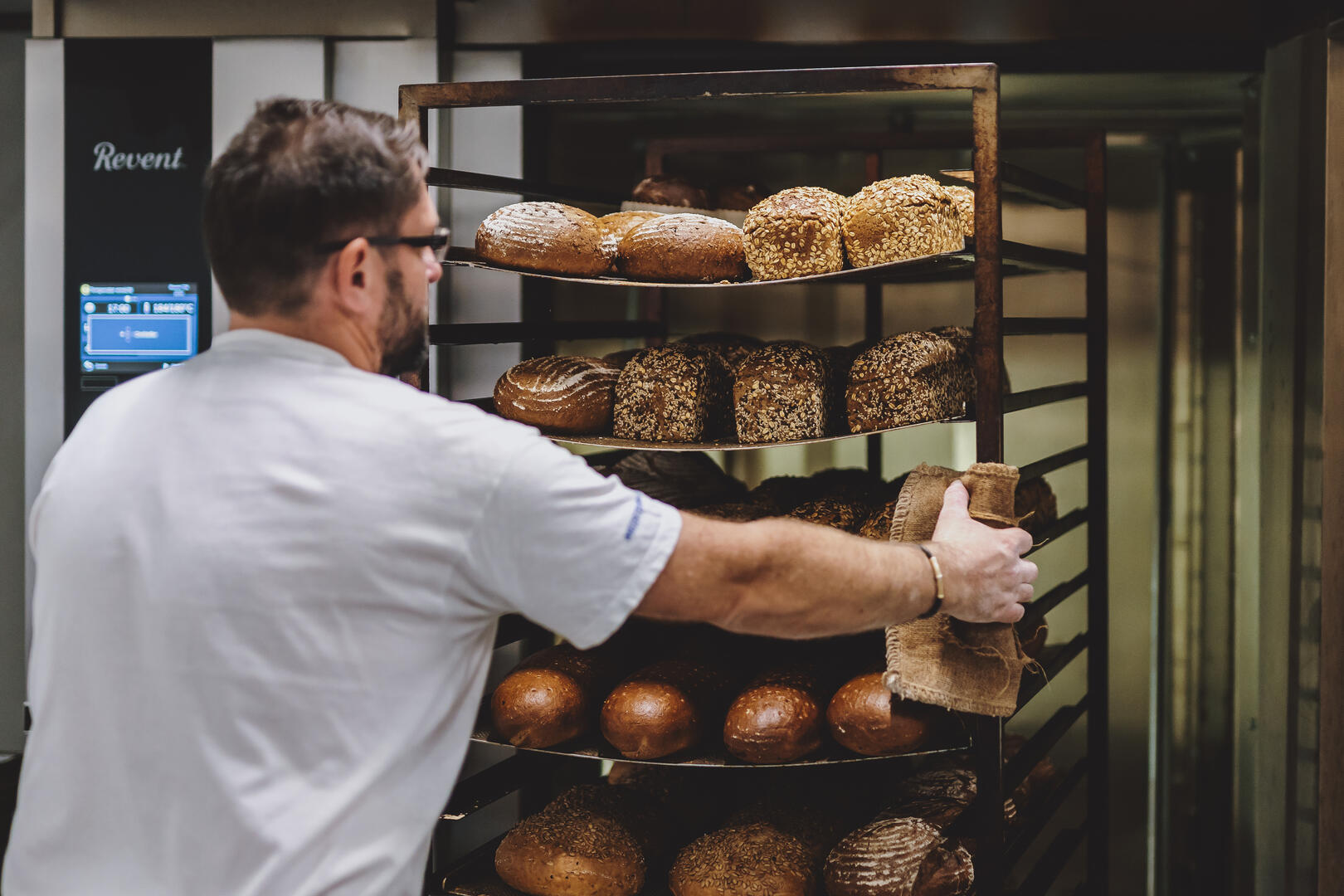
At Katschner Bakery in Kaprun, guilt-free enjoyment is part of the daily bread. Günther Katschner has made sustainability a central part of his craft and received carbon-neutral certification for his newly built bakery. The eco-conscious baker supplies Kitzsteinhorn not only with delicious bread and baked goods for the Glacier Breakfast, but also sends festive culinary treats from his bakery to the mountain during Advent.
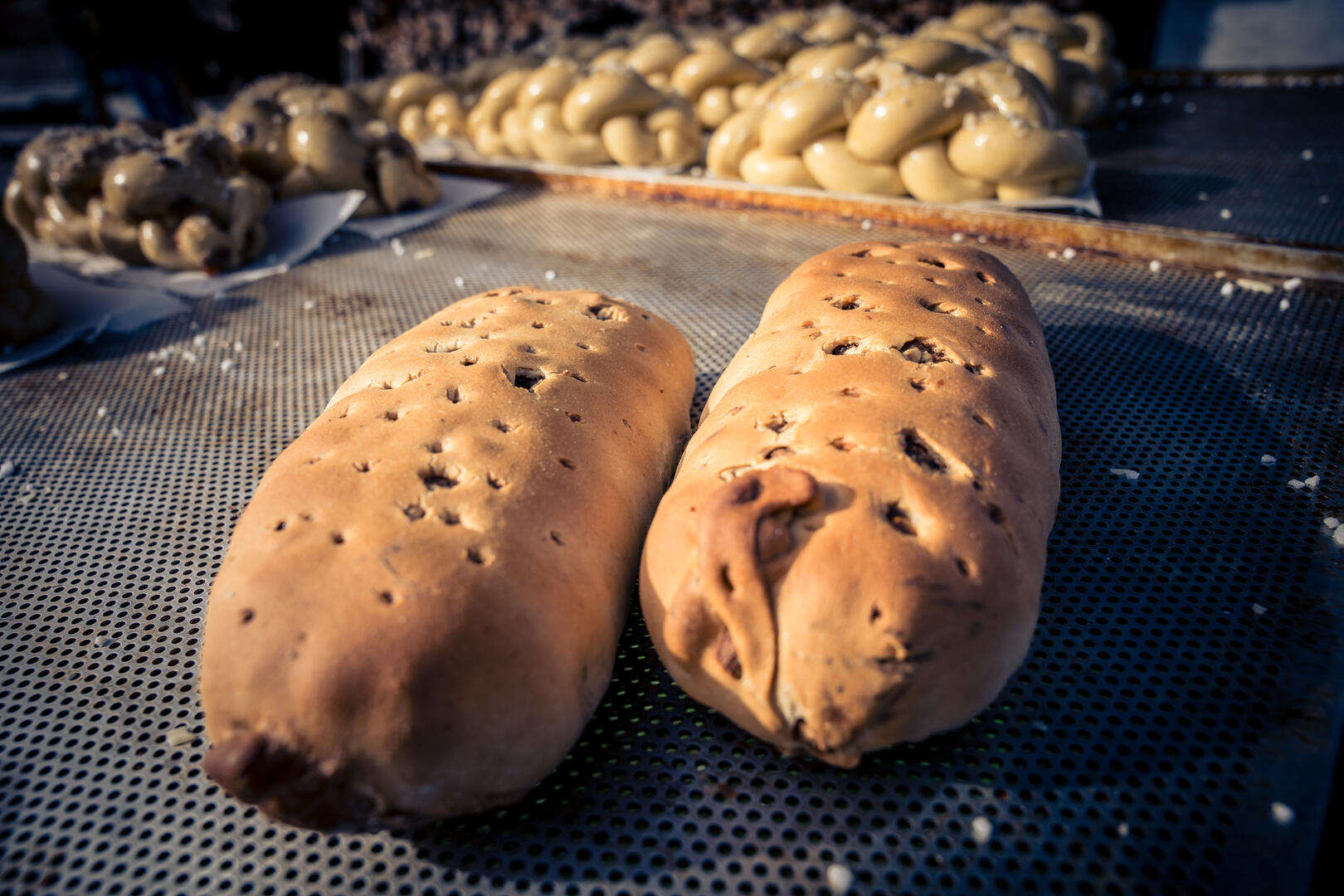
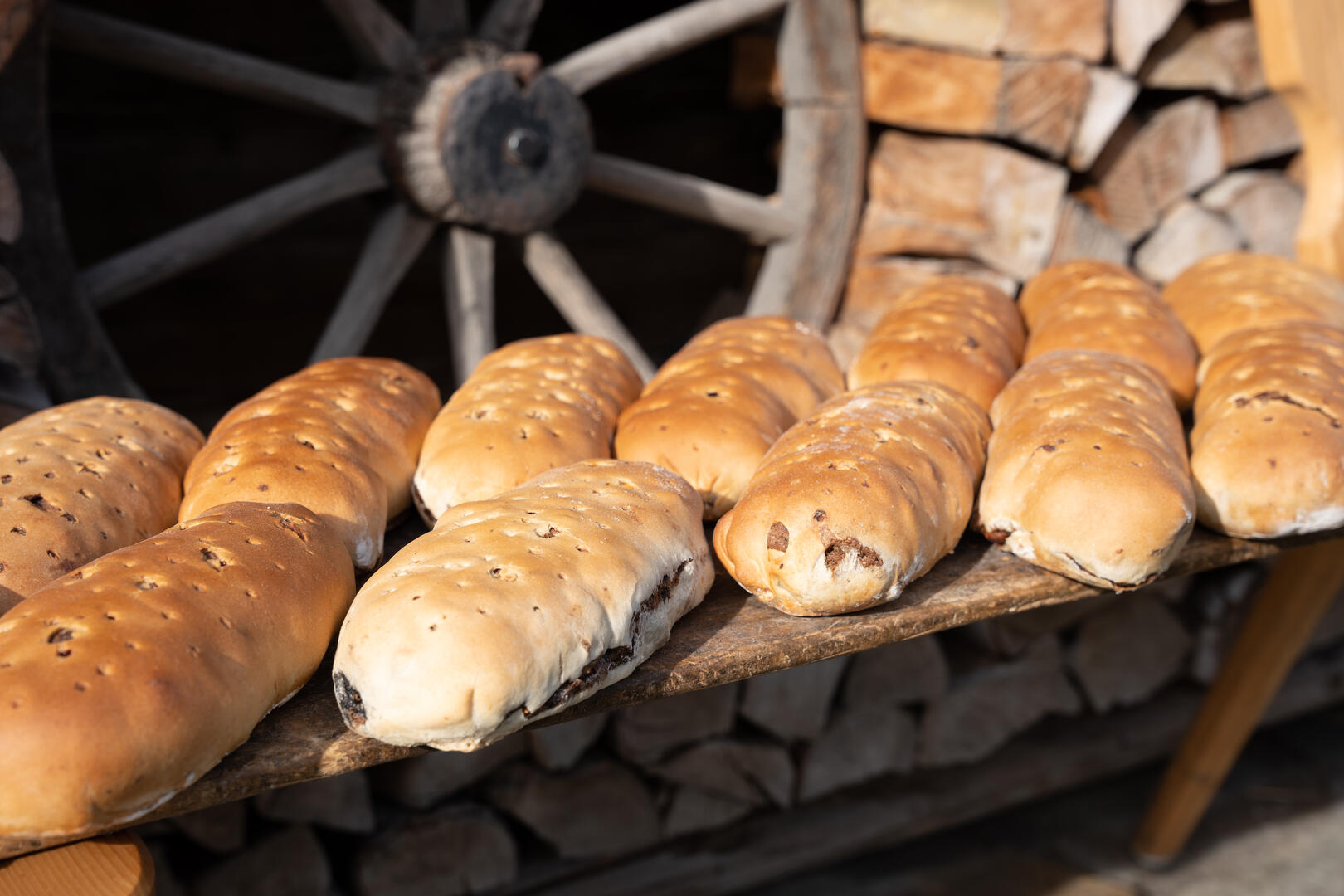
It smells like Christmas! After carving wonderful turns through fresh glacier snow, it is time to stop for a hearty meal at Restaurant Gletschermühle, located at 2,450 meters above sea level. Here, the Kitzsteinhorn kitchen team prepares fresh dishes with regional ingredients. During Advent, it serves hot chestnut soup with Kletzenbrot from Kaprun master baker Katschner. Nothing captures the spirit of Christmas quite like the aroma of freshly baked Kletzenbrot.
Baking with a Smaller Carbon Footprint
For all home bakers who would like to recreate this traditional Christmas bread, we visit Günther Katschner at his new bakery, where he gives us a glimpse inside his secret recipe book.
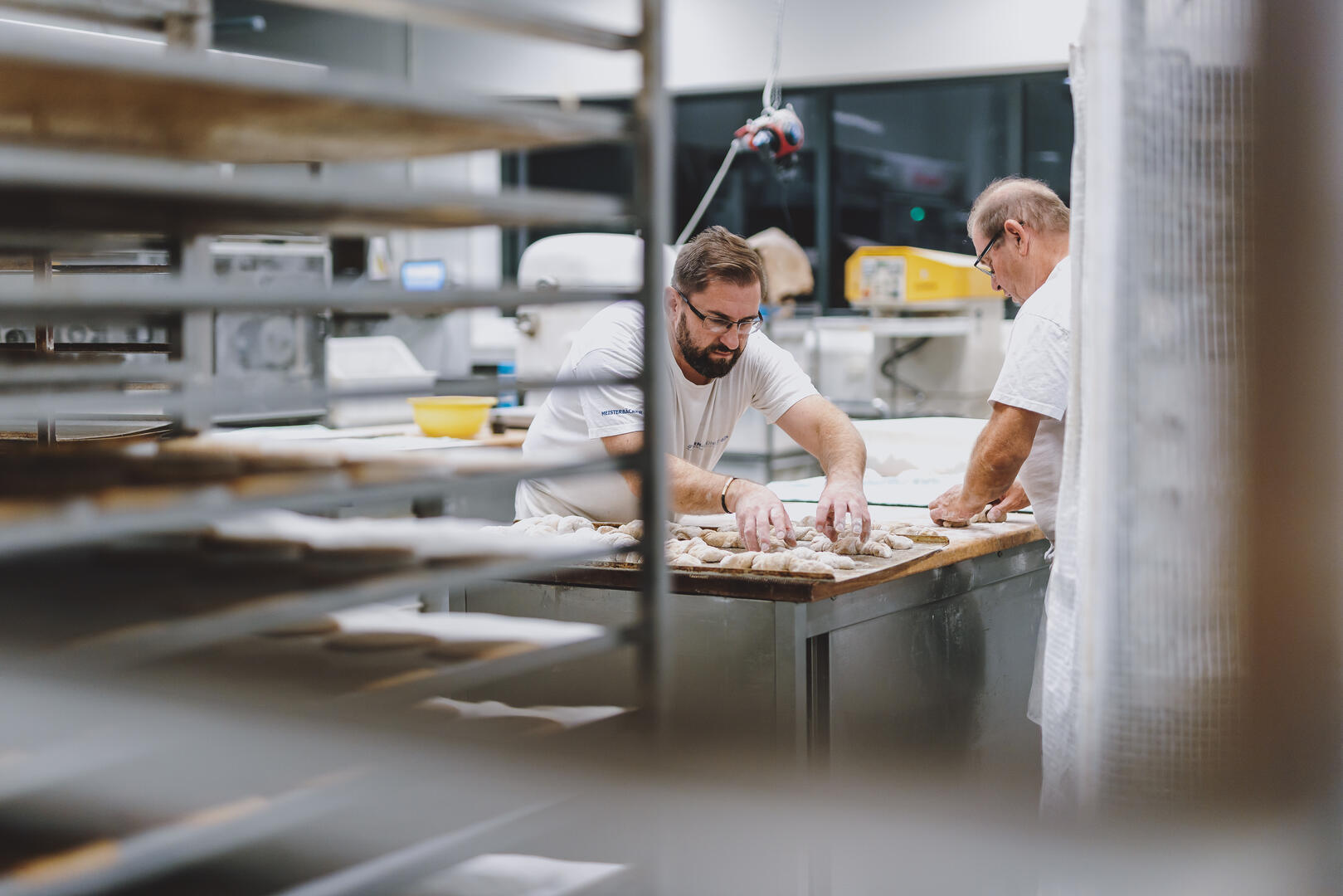
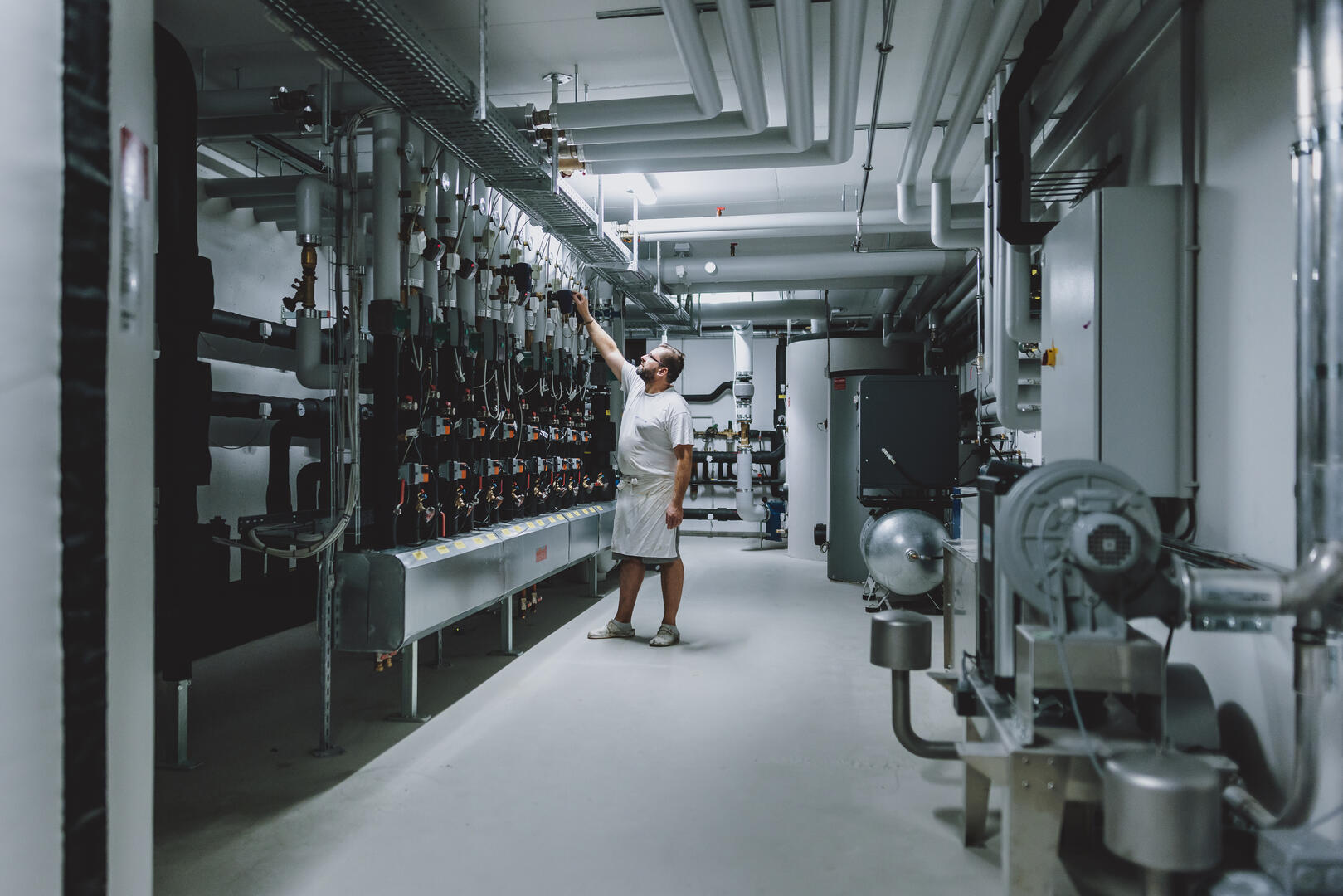
When designing the new bakery and retail spaces, the master baker placed great emphasis on environmentally responsible planning and received carbon-neutral certification as a result.
“We produce our bread and baked goods with net-zero carbon emissions. Photovoltaic panels on the roof allow us to generate our own clean electricity, while our CO₂-based refrigeration systems provide additional savings through heat recovery. A ground-source heat pump keeps the building comfortably warm in winter and cools it in summer. Two of the three delivery vans in our fleet are already electric, and we use them to supply regional partners such as Kitzsteinhorn.”
Good Bread Takes Time
Günther Katschner knows exactly what he wants and follows a clear path. But innovation does not always have to move quickly. Sometimes, slowing down intentionally is exactly what good bread needs.
Taking time and sourcing regionally are important ingredients in his success.
“The quality of the bread is extremely important to me, and regional sourcing is a key part of that. I personally know my egg supplier and the miller here in SalzburgerLand, and I know where he sources his grain. Our Tauern rye, for example, comes from Lungau and is milled for me by Waltraud Flatscher in Kaprun.
“The bread itself is also given time to rest. During this maturing period, the flavor develops from the crust deep into the loaf, and the bread becomes easier to digest.”
The same principle applies to Kletzenbrot:
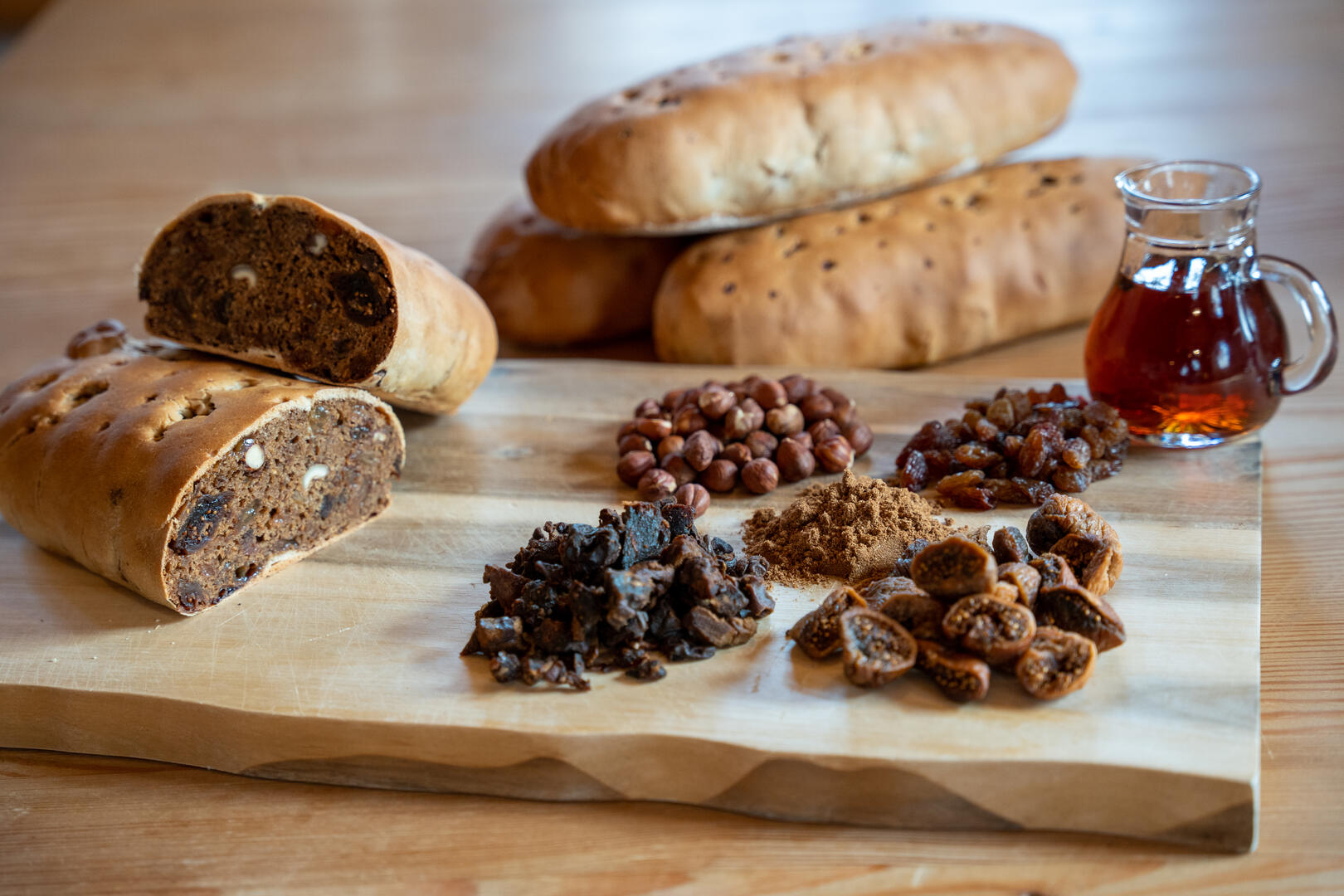
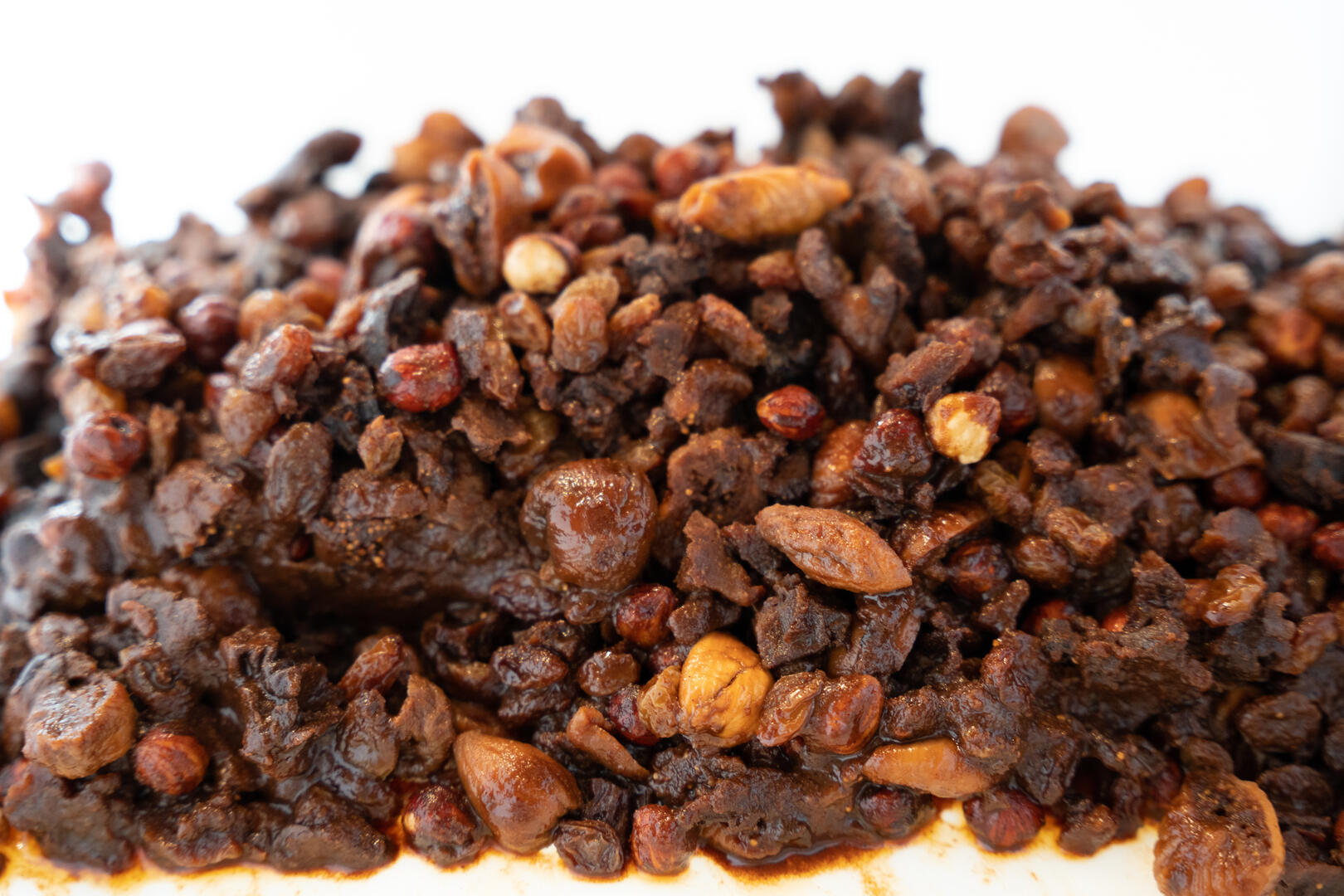
“Do not skimp on high-quality ingredients, and do not rush. At least 60% of the filling in my Kletzenbrot consists of fruit that has been soaked in plenty of rum for up to two days. For me, the Christmas season begins when we bake the first Kletzenbrot. I wish everyone the best of luck baking it at home.”
Those who would rather not reach for the mixing bowl themselves can simply visit Restaurant Gletschermühle for chestnut soup with Kletzenbrot through early January.
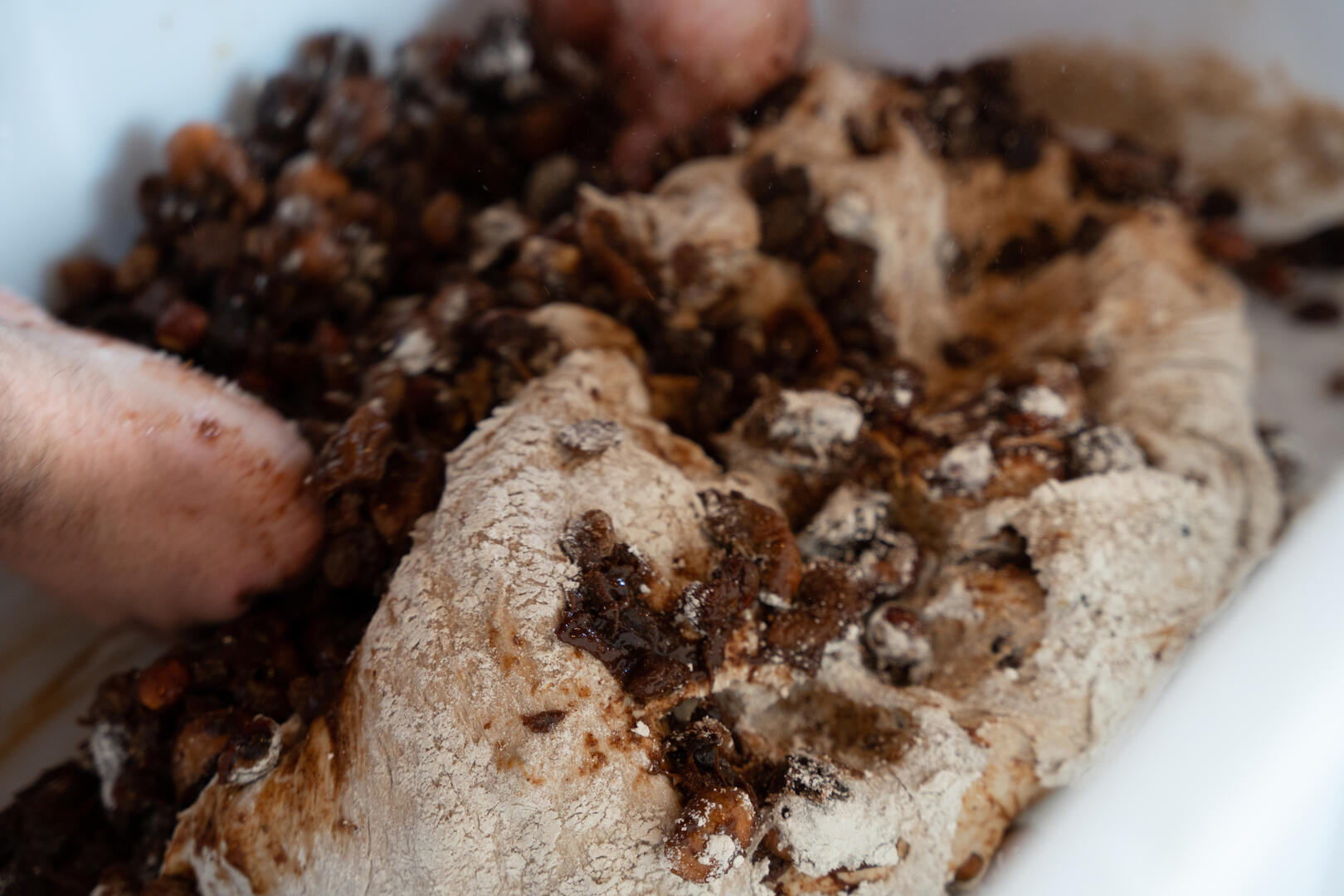
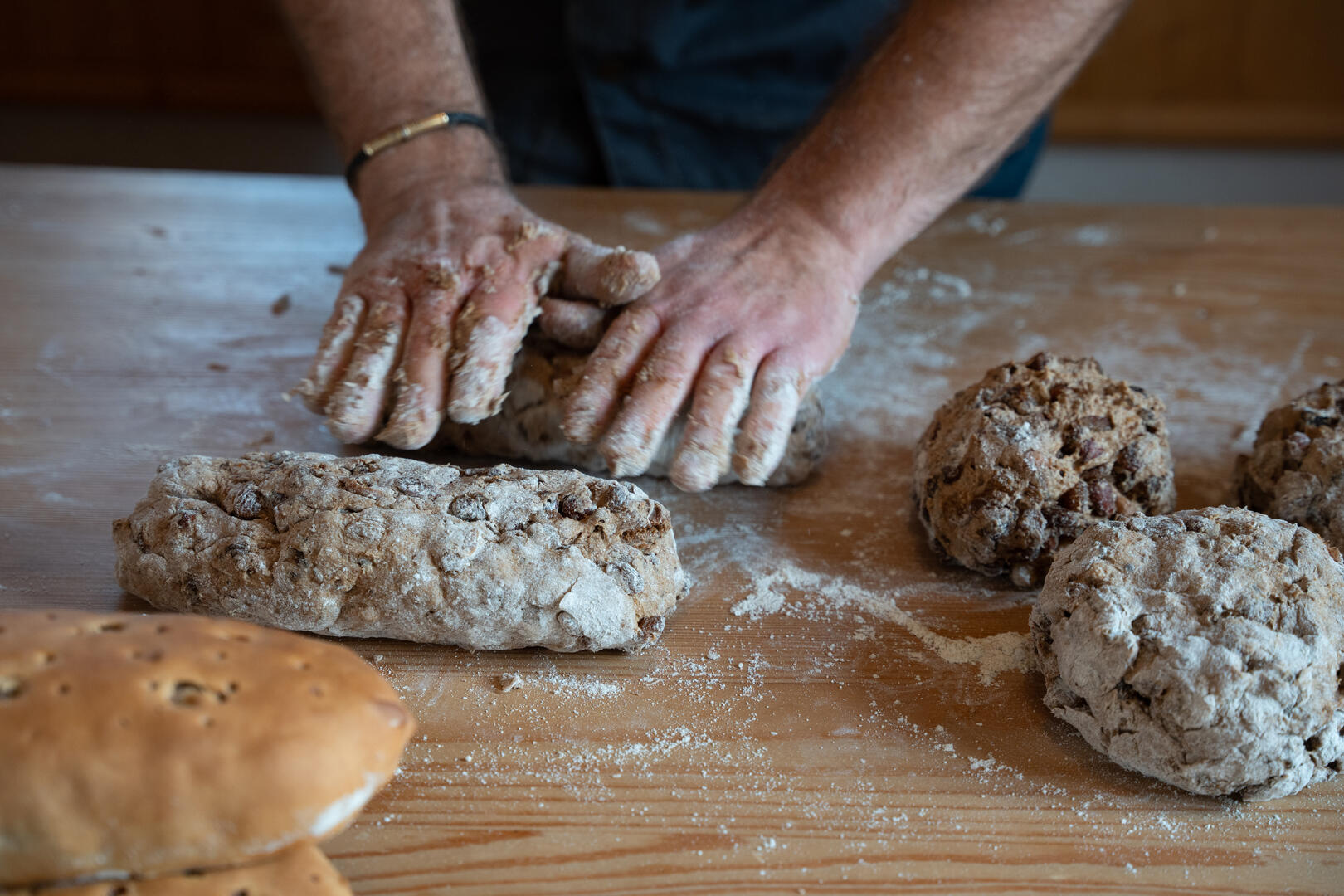
We produce our bread and baked goods with net-zero carbon emissions.
Katschner's Kletzenbrot Recipe
Fruit Mixture – Prepare the Day Before
- 300 g raisins
- 200 g figs, chopped
- 300 g dried pears, or Kletzen, chopped
- 200 g hazelnuts
- 30 g Kletzenbrot spice blend: cinnamon, fennel, coriander, nutmeg, allspice, star anise, ginger, and cloves
- 300 g rum
TIP: Katschner’s basic rule for good bread applies here too: Do not rush. Mix everything together and let it rest at room temperature for at least 24 hours.
For the Dough
- 400 g warm water, approximately 35°C/95°F
- 275 g Tauern rye whole-grain flour, or whole-grain rye flour
- 275 g Laufener Landweizen whole-grain flour, or whole-wheat flour
- 20 g salt
- 40 g fresh yeast
- 120 g rye sourdough starter: The day before, thoroughly combine 20 g mature starter, 50 g rye flour, and 50 g warm water. Cover and leave to mature at room temperature for 18 to 24 hours.
Preparation
- To make the dough, slowly knead all the ingredients for approximately 12 minutes until a medium-firm dough forms. Every flour behaves differently, so you may need to add a little more flour or water.
- Do not forget to set aside 250 g of the dough for wrapping the loaves.
- Slowly mix the fruit mixture into the remaining dough for four minutes.
- Divide the dough into four equal portions.
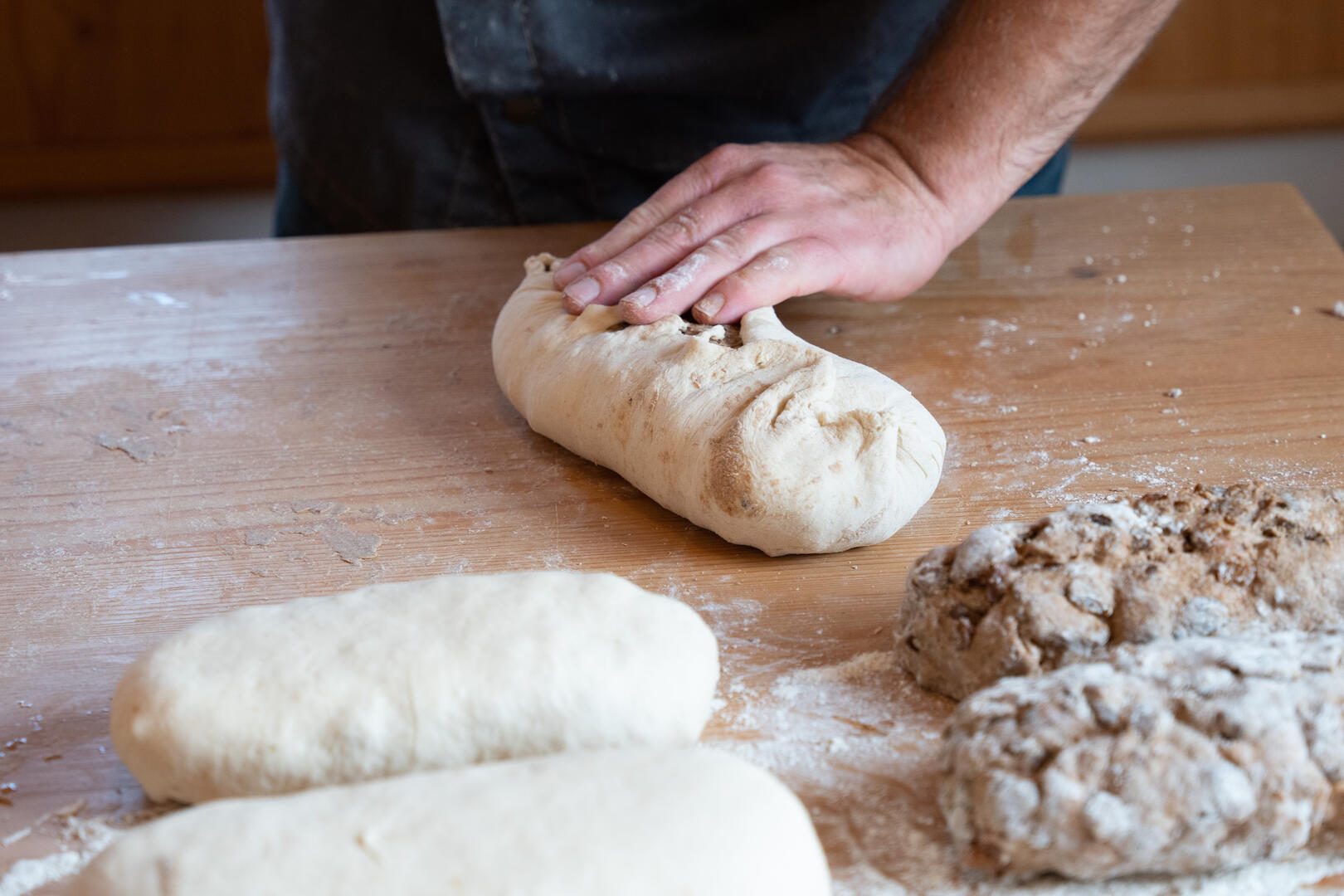
- Shape each portion first into a round and then into a small, elongated loaf.
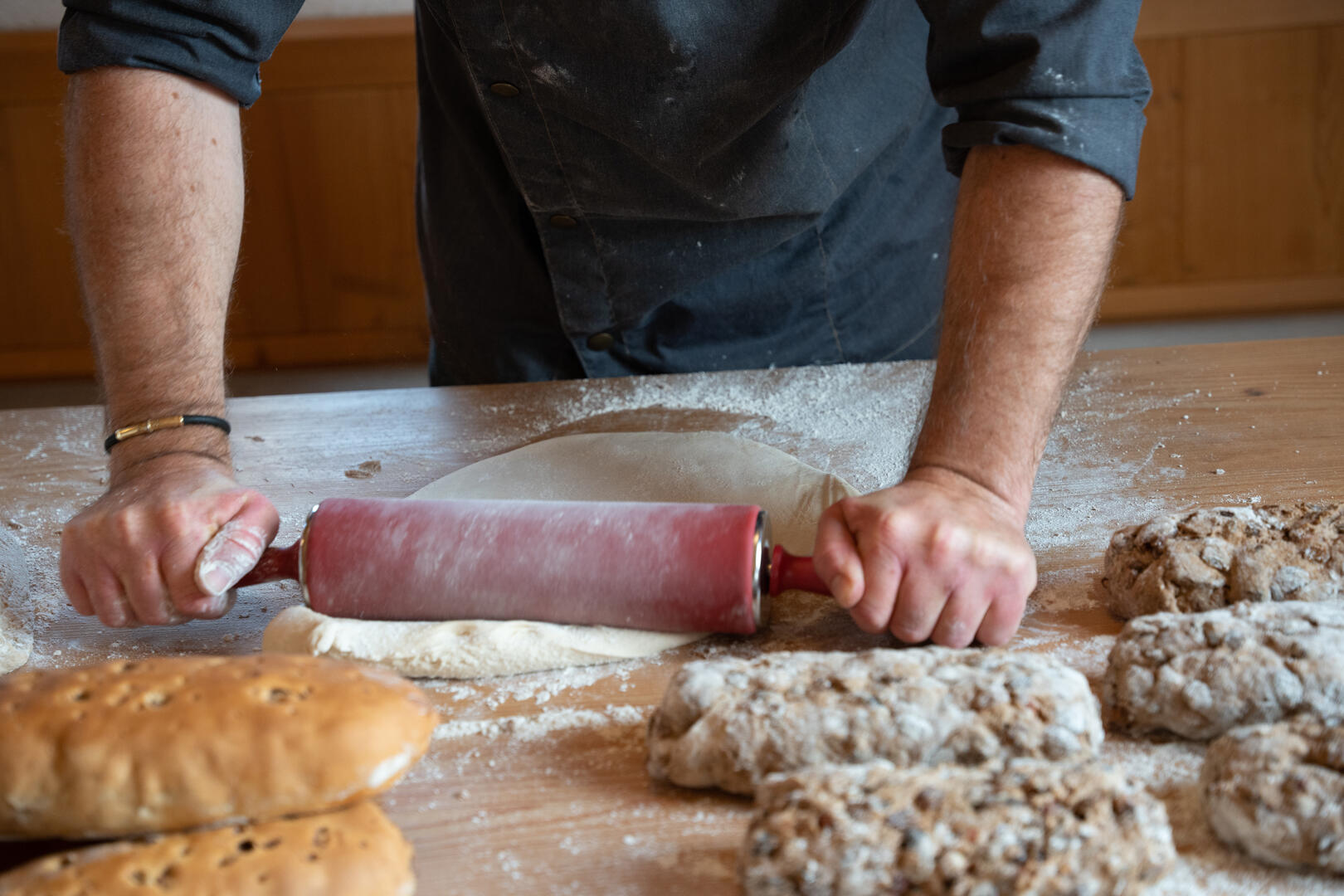
- Roll the reserved 250 g of dough very thinly on a floured work surface.
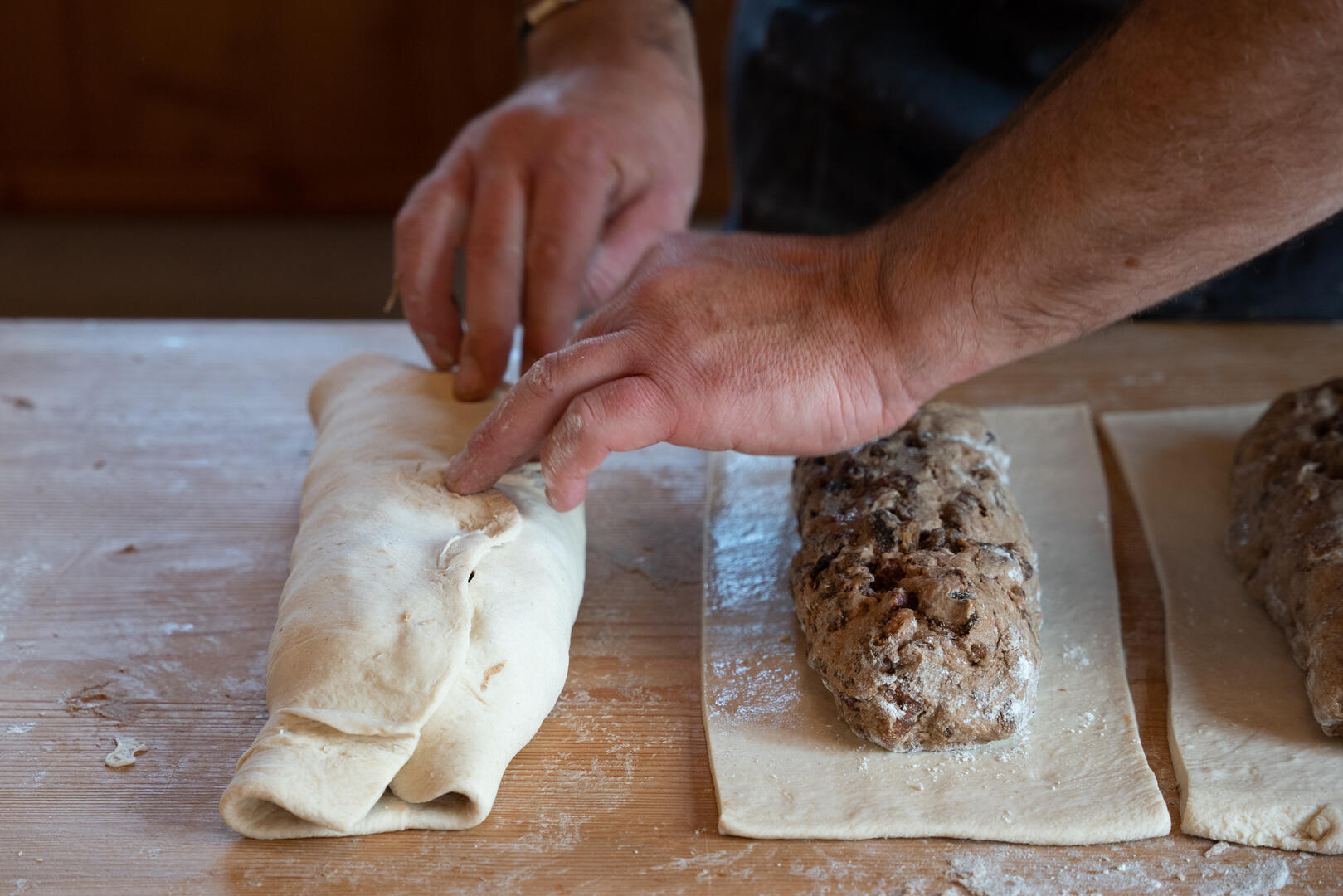
- Lightly brush the rolled-out dough with water and place the small loaves on top, leaving enough dough around each one to wrap it completely.
- Lightly brush the loaves with water and wrap them carefully in the thin dough.
- Place the finished loaves, attractive side facing up, on a baking sheet lined with parchment paper. Cover them with a kitchen towel and let them rest for approximately 45 minutes.
- Meanwhile, preheat the convection oven to 200°C/390°F.
- After the resting time, pierce the tops of the loaves several times with a fork. You can create a decorative pattern while doing so.
TIP: Make three additional holes with the handle of a wooden spoon to prevent the loaves from splitting open while baking. - Prepare a small glass containing 100 ml of water for the oven.
- Brush the loaves with water and place them in the oven. Immediately pour the prepared water onto the bottom of the oven—not onto the baking sheet—and close the door right away.
- The bread should be ready after approximately 40 minutes. However, every oven is different. Check the color of the bread regularly and measure its internal temperature with a probe thermometer. The bread is fully baked when the center reaches 96°C/205°F.
* The mature starter is a portion of finished sourdough that was removed and saved during the previous bake. To make a new sourdough, combine rye flour, water, and the mature starter to form a dough, then leave it at room temperature for 24 hours. During this time, lactic acid bacteria, acetic acid bacteria, and wild yeasts multiply in the new sourdough. Mature starter or sourdough is also available from any good bakery.