

Ecological Restoration at Kitzsteinhorn
Where wood is cut, chips fall—and where construction takes place, earth gets moved. To keep the impact of construction work on local flora and fauna as low as possible, environmental construction monitoring has accompanied projects at Kitzsteinhorn for many years. Biologist Martin Kyek from the Institute of Ecology, a specialist in reptiles and amphibians, takes us behind the scenes of the ecological restoration measures carried out after construction of the 3K K-onnection to Kitzsteinhorn.
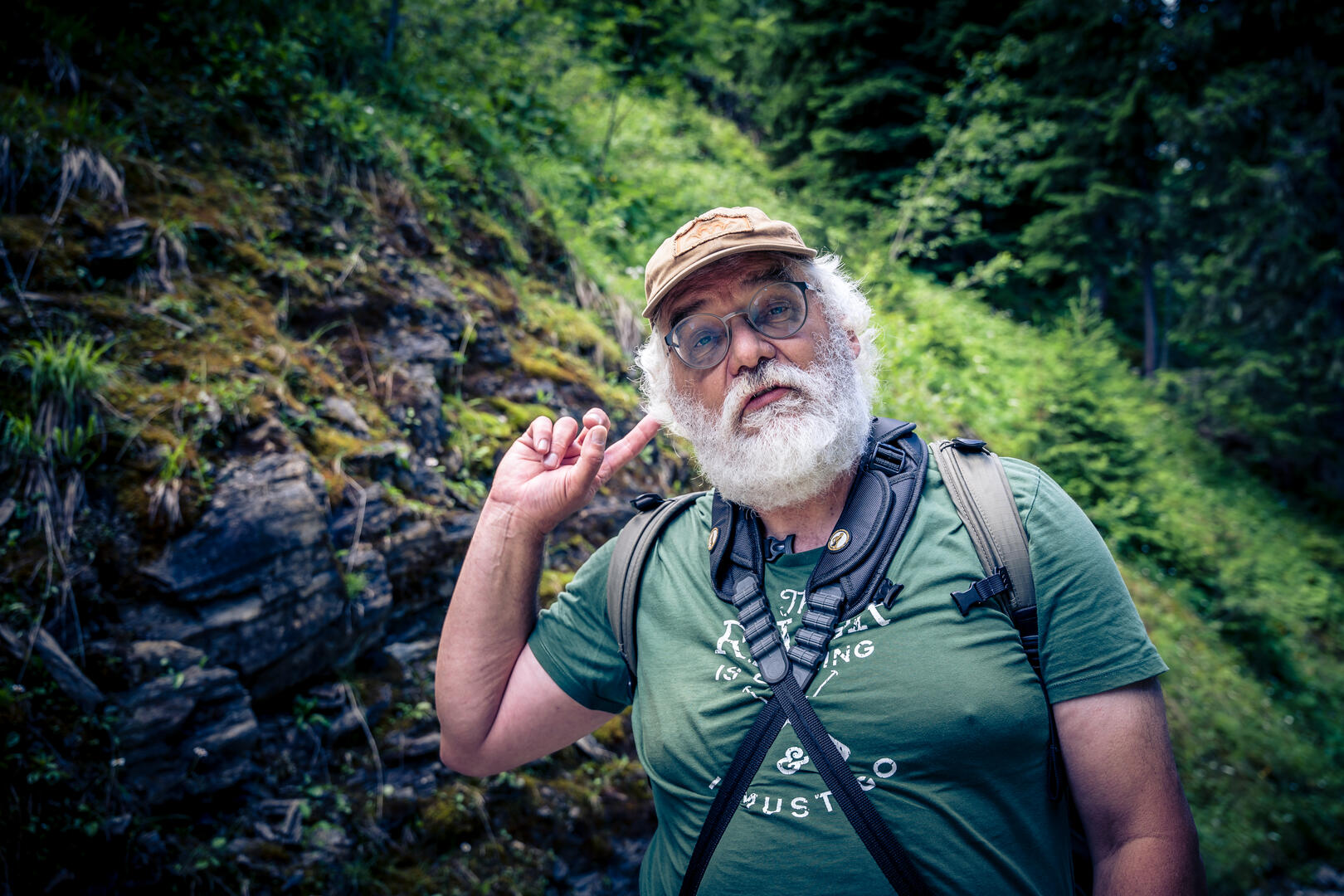
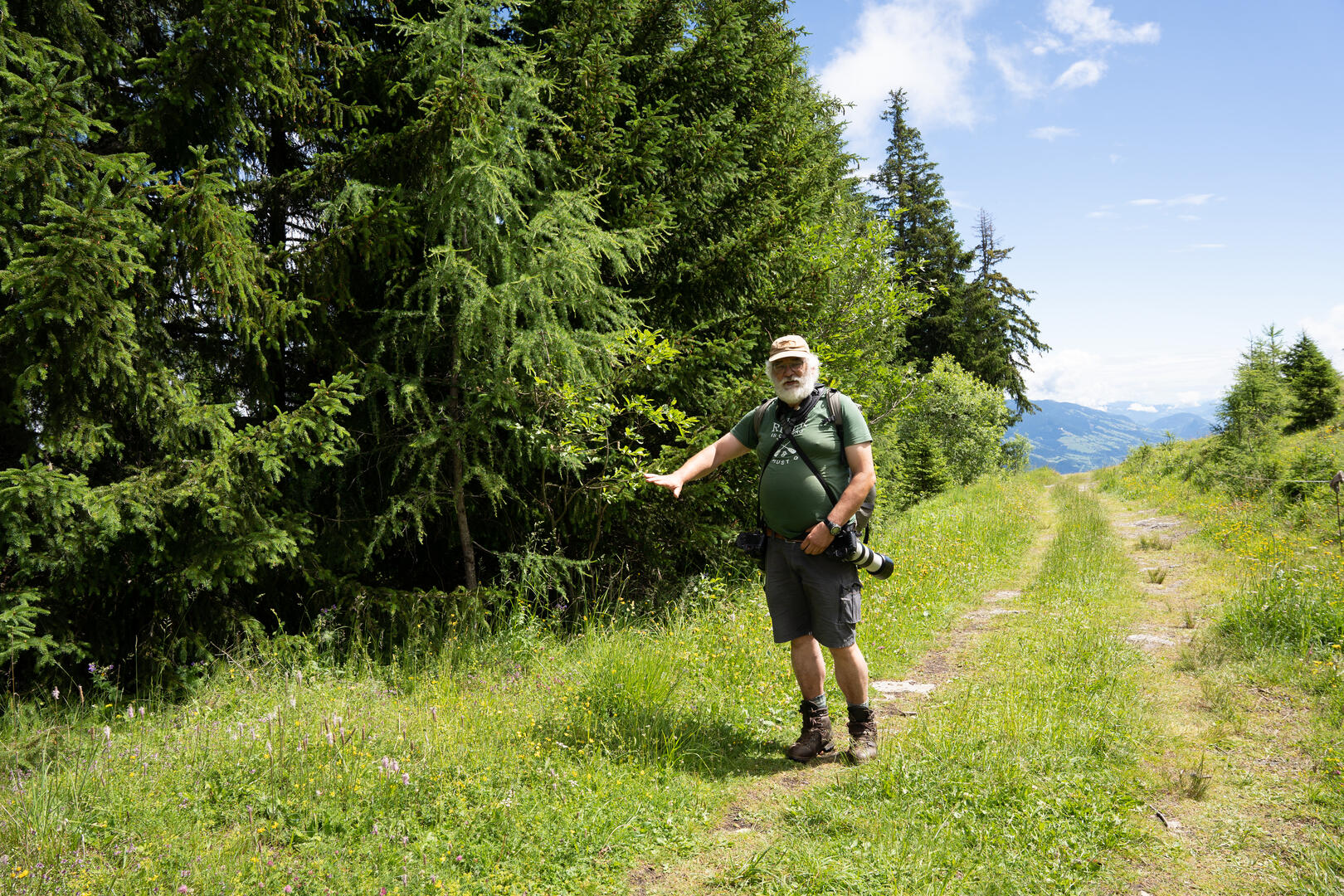
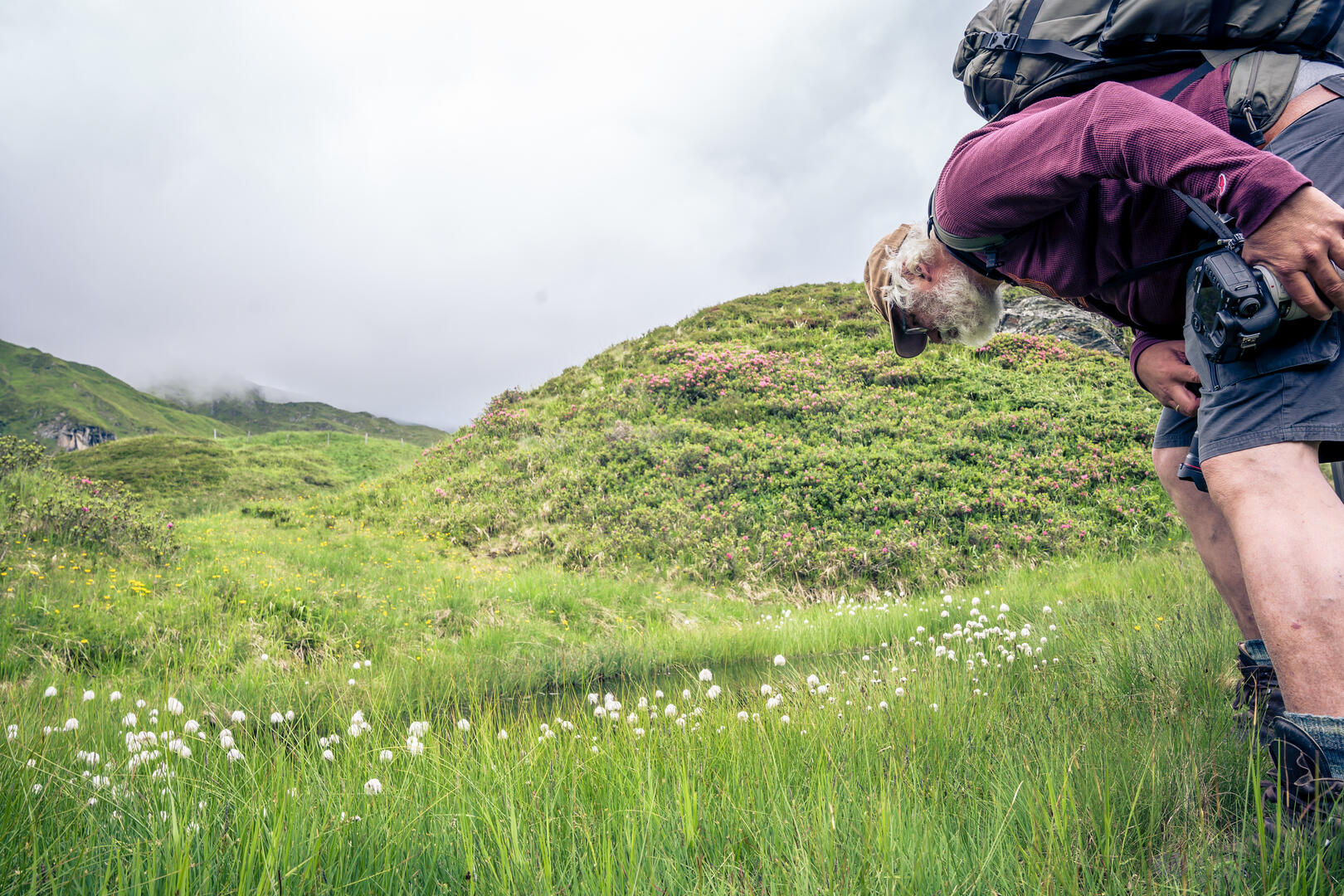
“Nature conservation has always been very important to me, and I have been especially fascinated by frogs since I was a child,” comes a deep bass voice from behind a white beard. A smile lights up the tall man’s eyes. A bulky backpack rises above his shoulders, while cameras with long telephoto lenses hang on either side of him. This is Martin Kyek, an employee of the Institute of Ecology and a longtime expert involved in construction projects at Kitzsteinhorn. He knows the Pinzgau region between Hollersbach and Kaprun like the back of his hand. While studying zoology in Salzburg, he was already mapping frog breeding sites and entering them into databases as part of amphibian conservation efforts
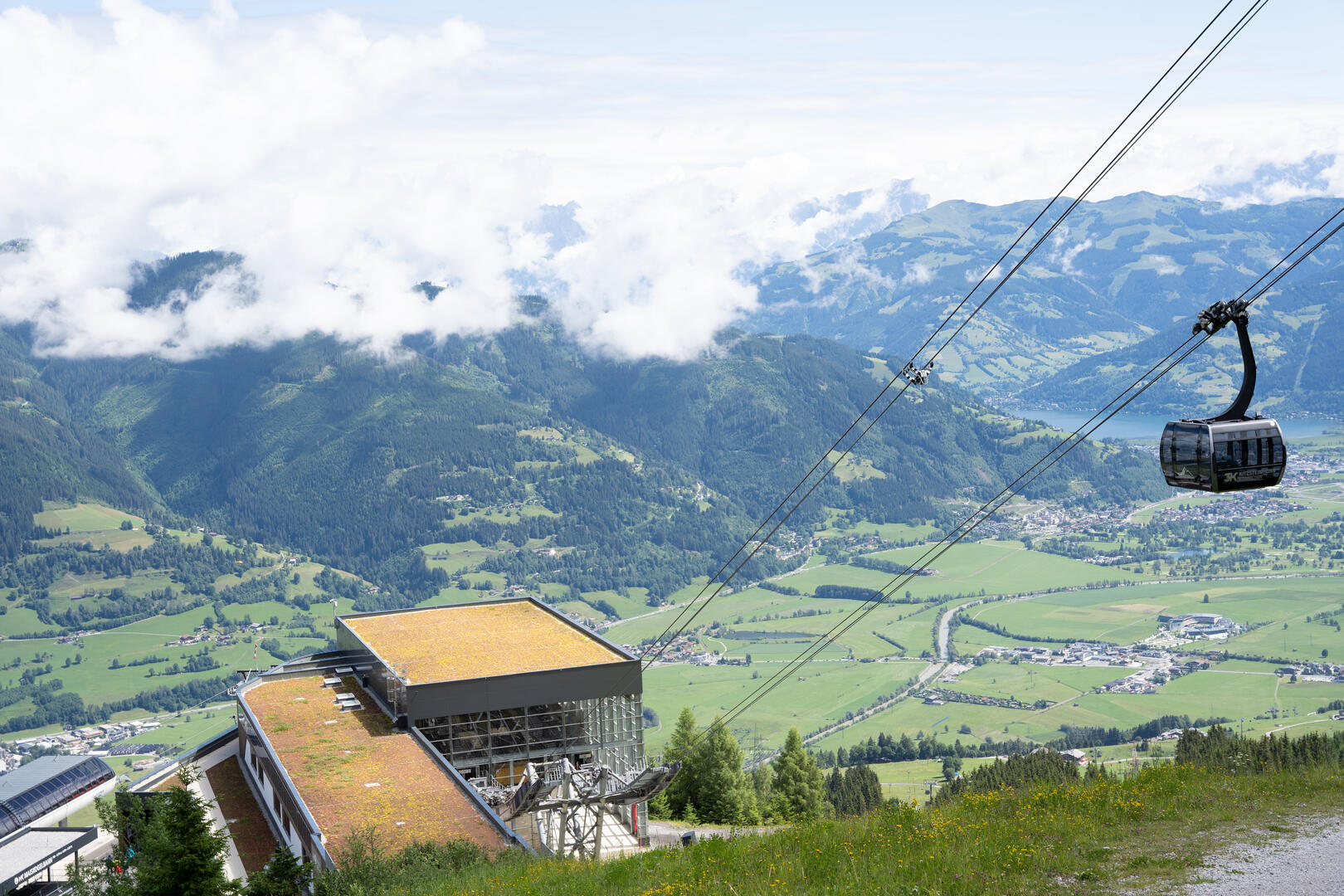
We ride comfortably up the mountain on the MK Maiskogelbahn gondola as Martin Kyek talks about his long-standing partnership with Kitzsteinhorn:
“Since the 1990s, the Institute of Ecology has accompanied lift construction and ski slope modification projects at Kitzsteinhorn. The institute emerged from the Institute of Ecology at Haus der Natur in 1996 and has operated as an independent ecological consulting firm ever since. Norbert Karlsböck, the managing director at the time, involved us in the projects from an early stage. Together with the project team, we develop sustainable, forward-looking ecological solutions designed to minimize the impact of construction.”
When required as part of the permitting process, environmental construction monitoring acts on behalf of the nature conservation authority and verifies that all measures stipulated in the permit are implemented in accordance with legal and regulatory requirements.
Collecting Frogs & Snakes
An important milestone in the partnership was the once-in-a-generation MK + 3K K-onnection project. The extensive construction work, particularly around the stations and lift towers, required the professional relocation of amphibians and reptiles living in those areas. After arriving at the MK Maiskogelbahn upper station, we hike up to the first breeding pond, and Martin explains:
“Common frogs, alpine newts, viviparous lizards, adders, and slow worms live and move on the ground. They cannot simply take off like birds and fly to the other side of the valley. Before construction even began, we therefore collected the amphibians and reptiles using special exclusion fencing, pitfall traps, and cover boards. We temporarily relocated them to suitable nearby habitats. During construction, dedicated breeding ponds were then created to restore and even improve their habitat.”
As a project consultant, I am on nature’s side.
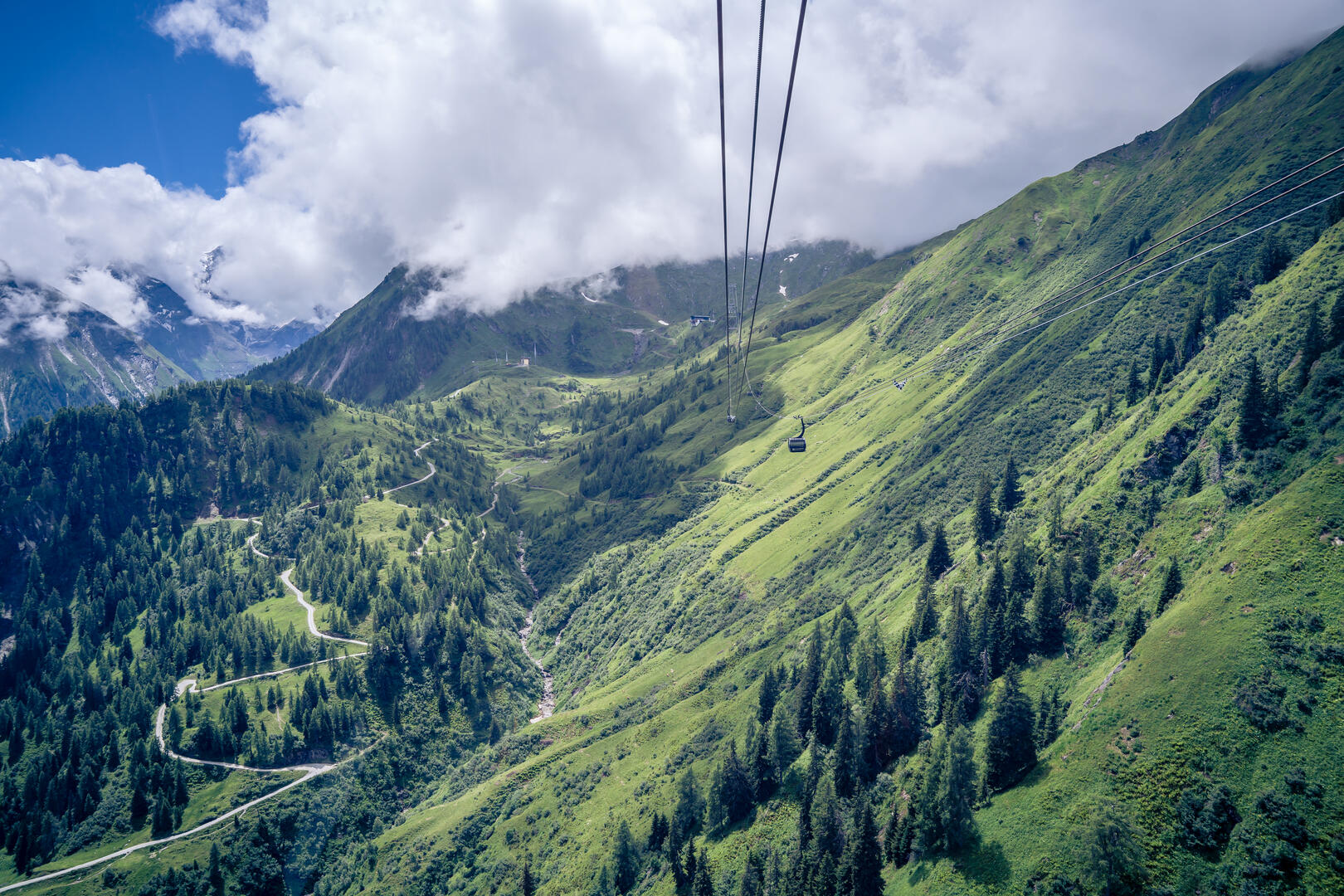
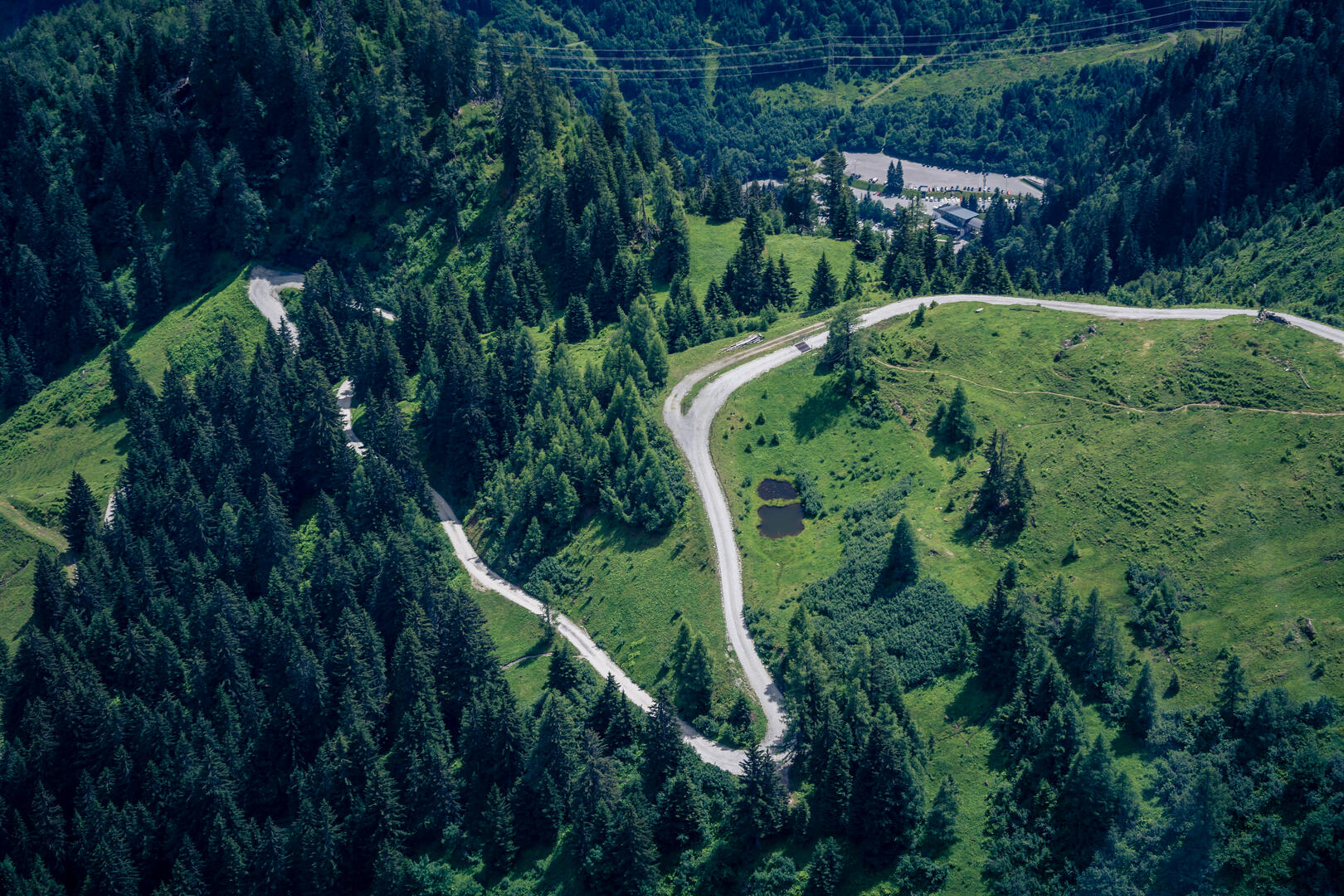
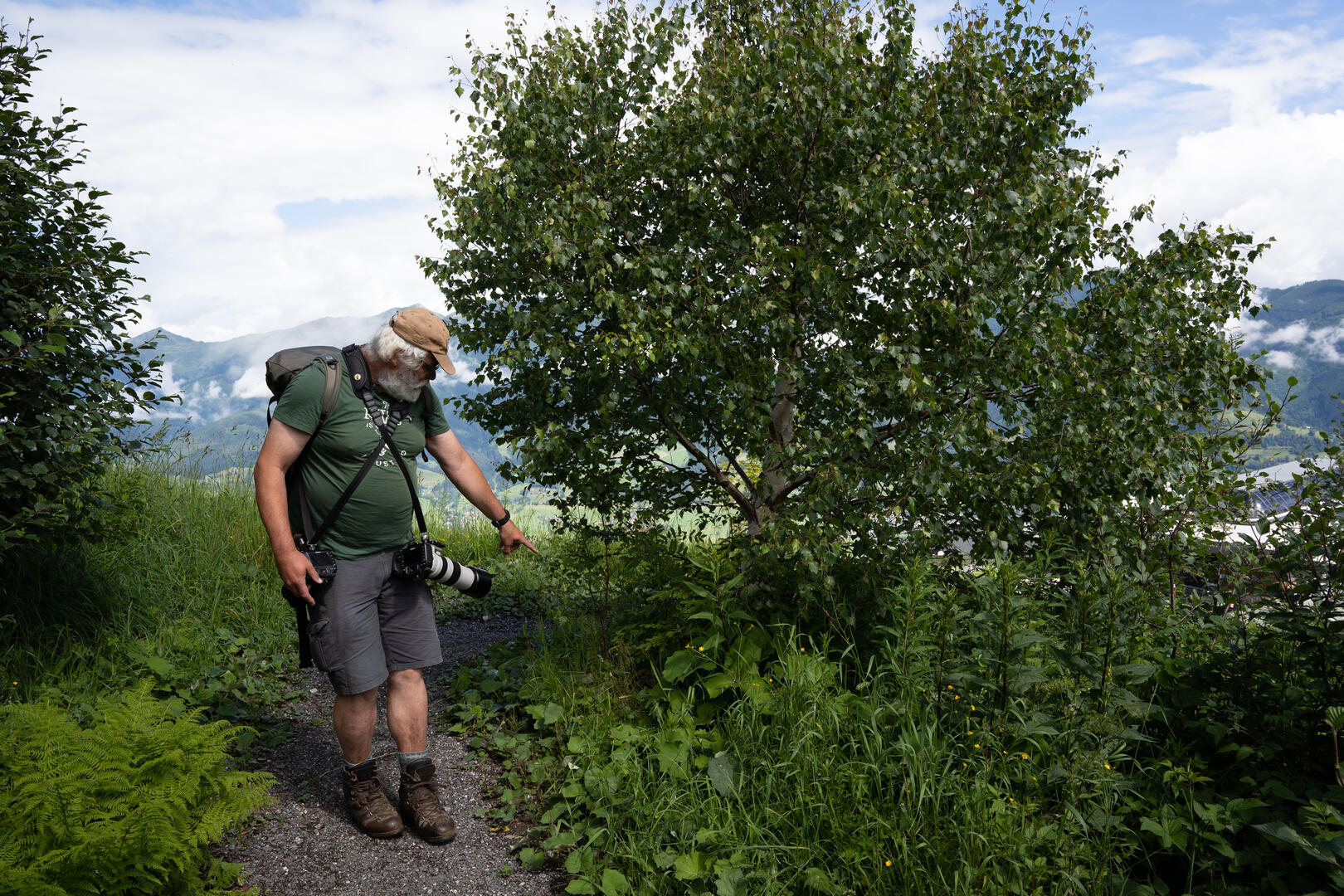
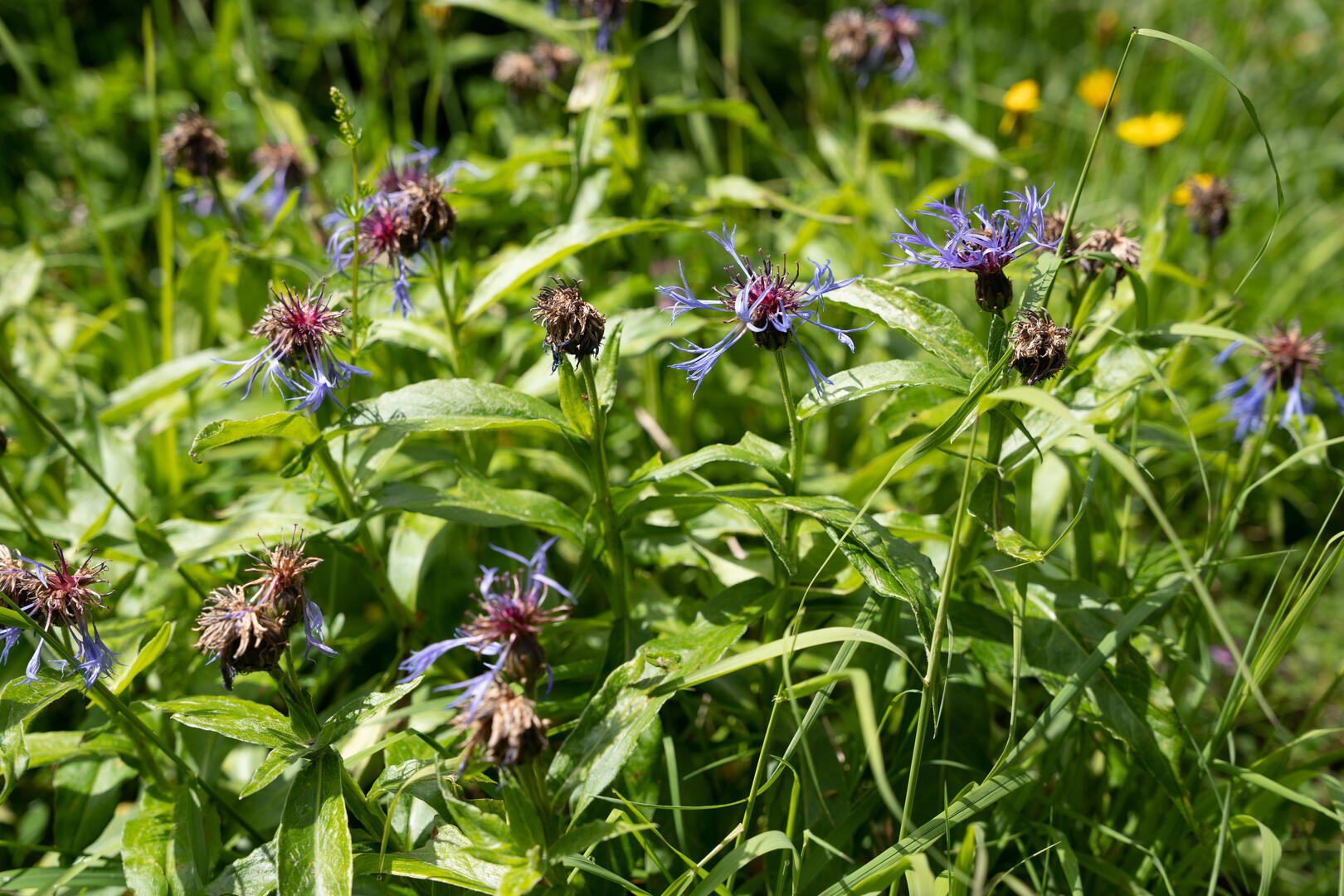
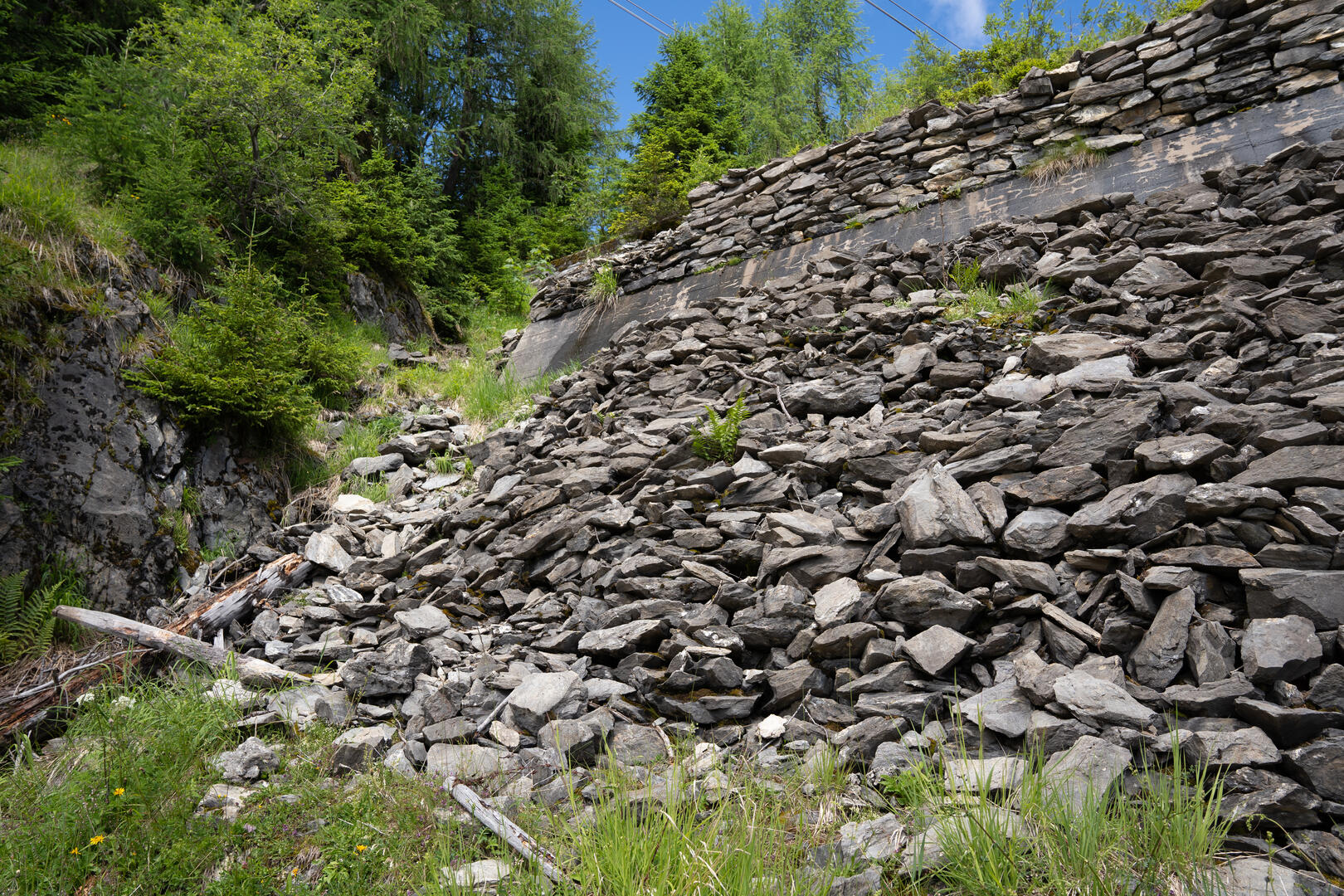
Once construction is complete, the slopes are ecologically restored in a manner appropriate to the site and planted with grasses, flowers, trees, and shrubs, as can be seen directly above the upper station. The hiking trail leads straight through a restored section, and the biologist looks with satisfaction at the dense vegetation. Cameras click repeatedly along the way, as no small butterfly, thistle, or bird escapes his attention.
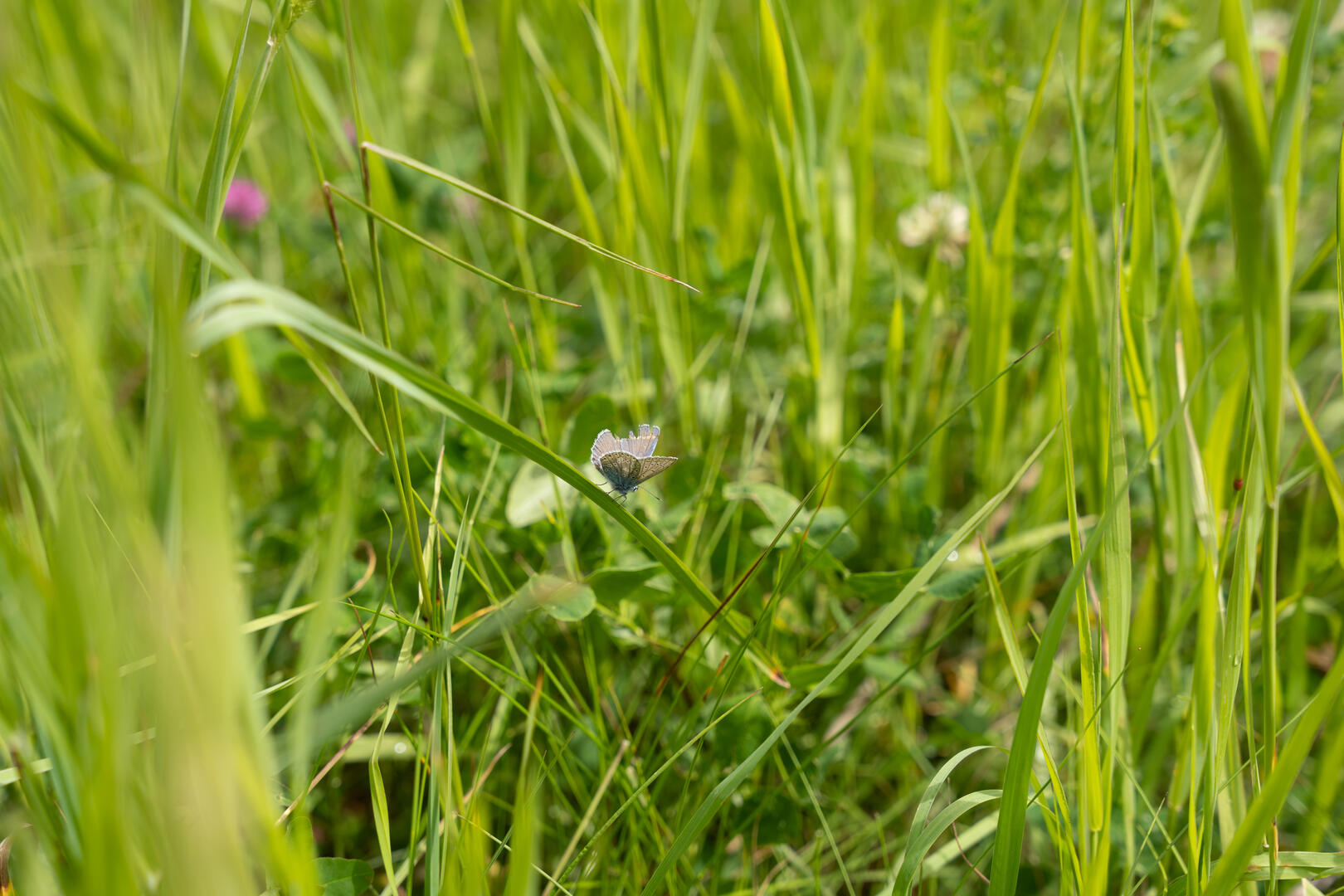
“Each photo is GPS-tagged and uploaded to an international database, where it documents biodiversity,” Martin explains as he points out a small common blue butterfly.
A Flying Jackhammer
We continue at a leisurely pace, and step by step, Martin reveals details that would otherwise go unnoticed.
“Listen! Can you hear it?” he calls out enthusiastically over the loud song of a bird. “It is a Eurasian wren. It is one of our smallest songbirds, but it has an amazingly powerful voice! And adders could bask in the sun here among the piled rocks.”
The Eurasian wren is one of Europe’s smallest birds; goldcrests are among the few that are even smaller.
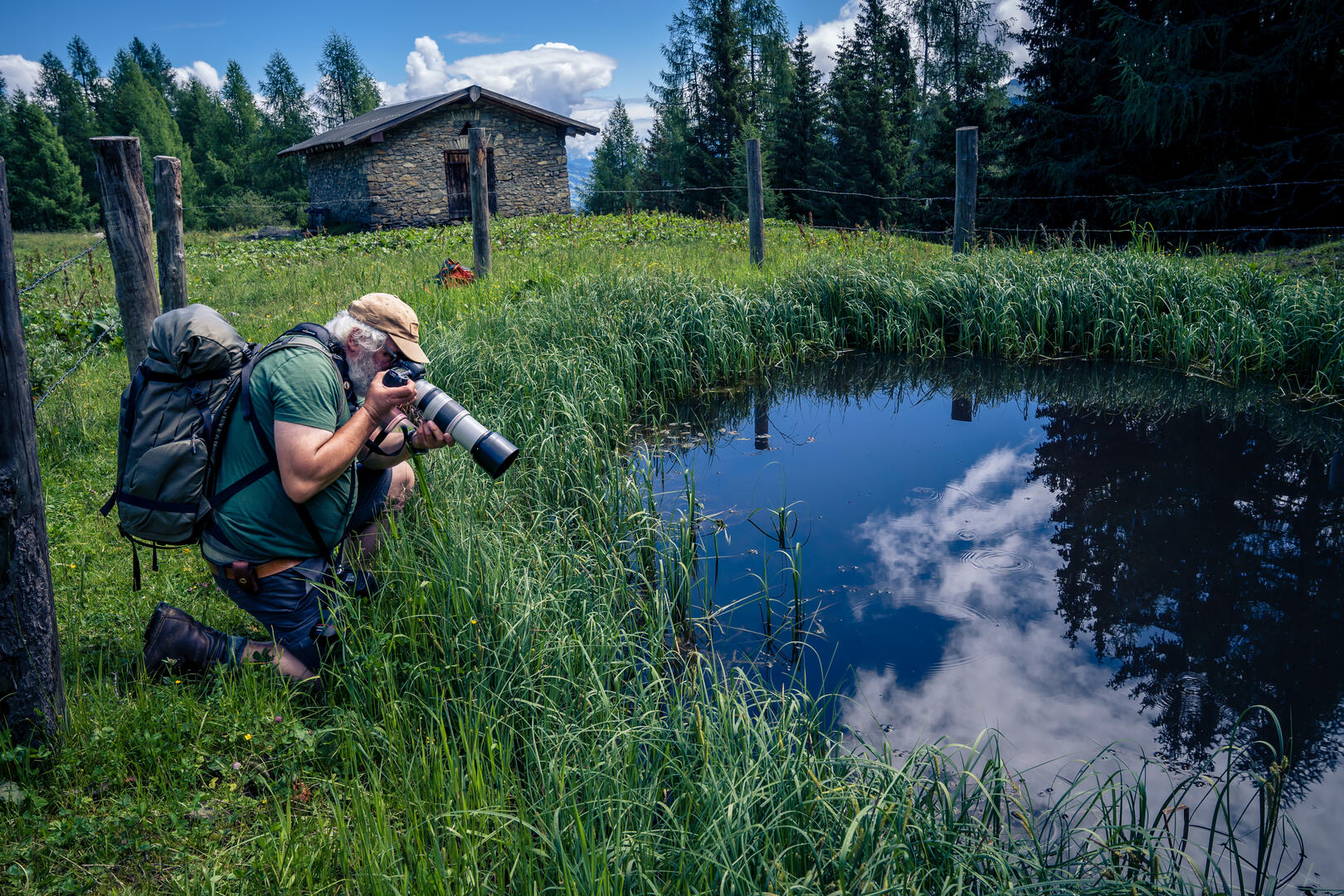
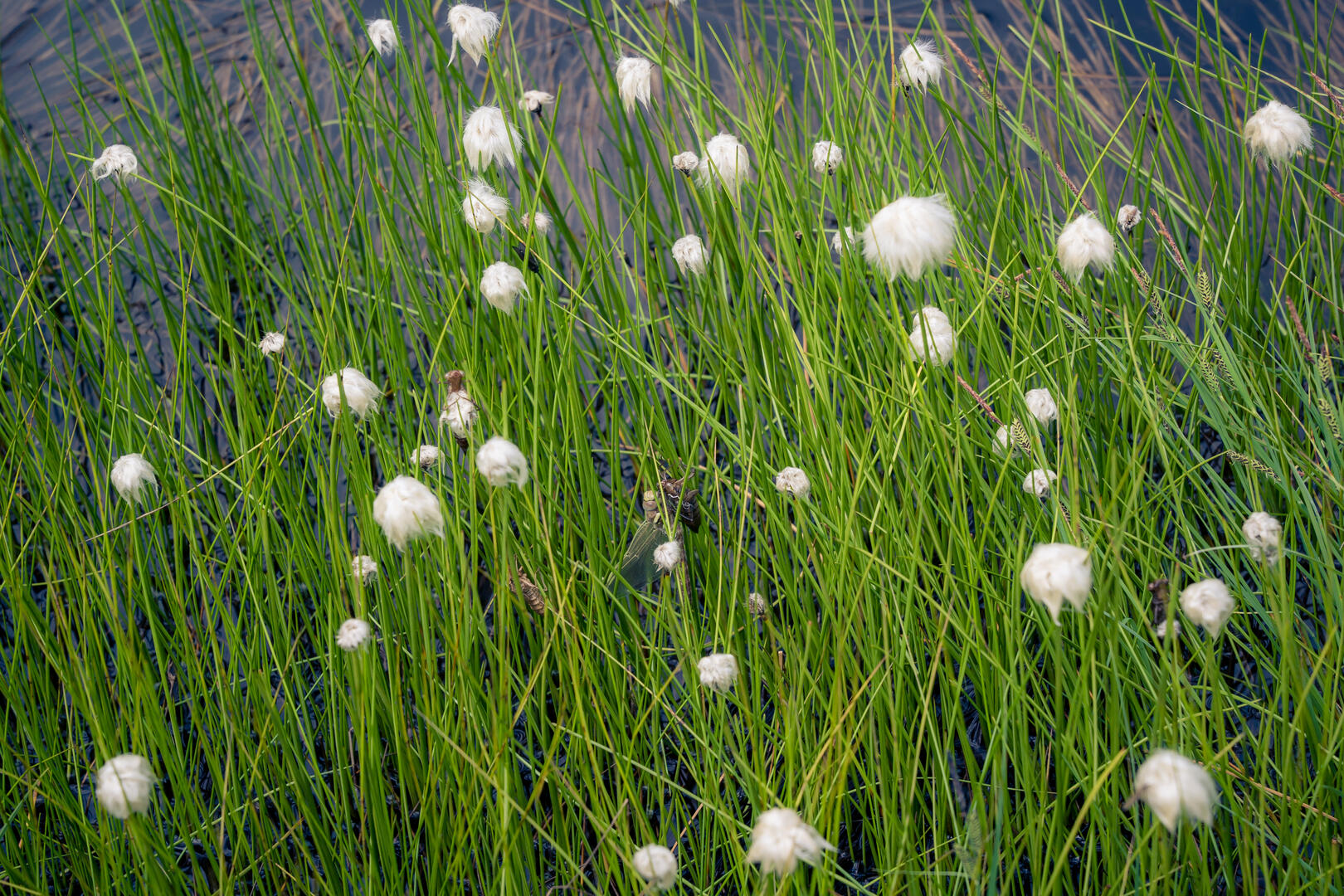
We reach one of the ten newly created breeding ponds, and the small body of water looks as though it has always been here. Surrounded by tall bottle sedge and protected from grazing cattle by a fence, it provides an ideal habitat for frogs, newts, and insects. With infectious enthusiasm, the amphibian expert searches the shallow shoreline for tadpoles and newts.
“When we created this pond, the initial planting simply set the process in motion. Nature has now taken over and can work at its own pace. That allows the habitat to develop naturally and in a way that suits the site.”
Working with living systems is not simply a job for me—it is a major responsibility. The system that supports that tiny newt also supports you and me. Everyone involved in the construction work has to understand that, from the managing director and operations manager to the excavator operator.
The Frog Whisperer
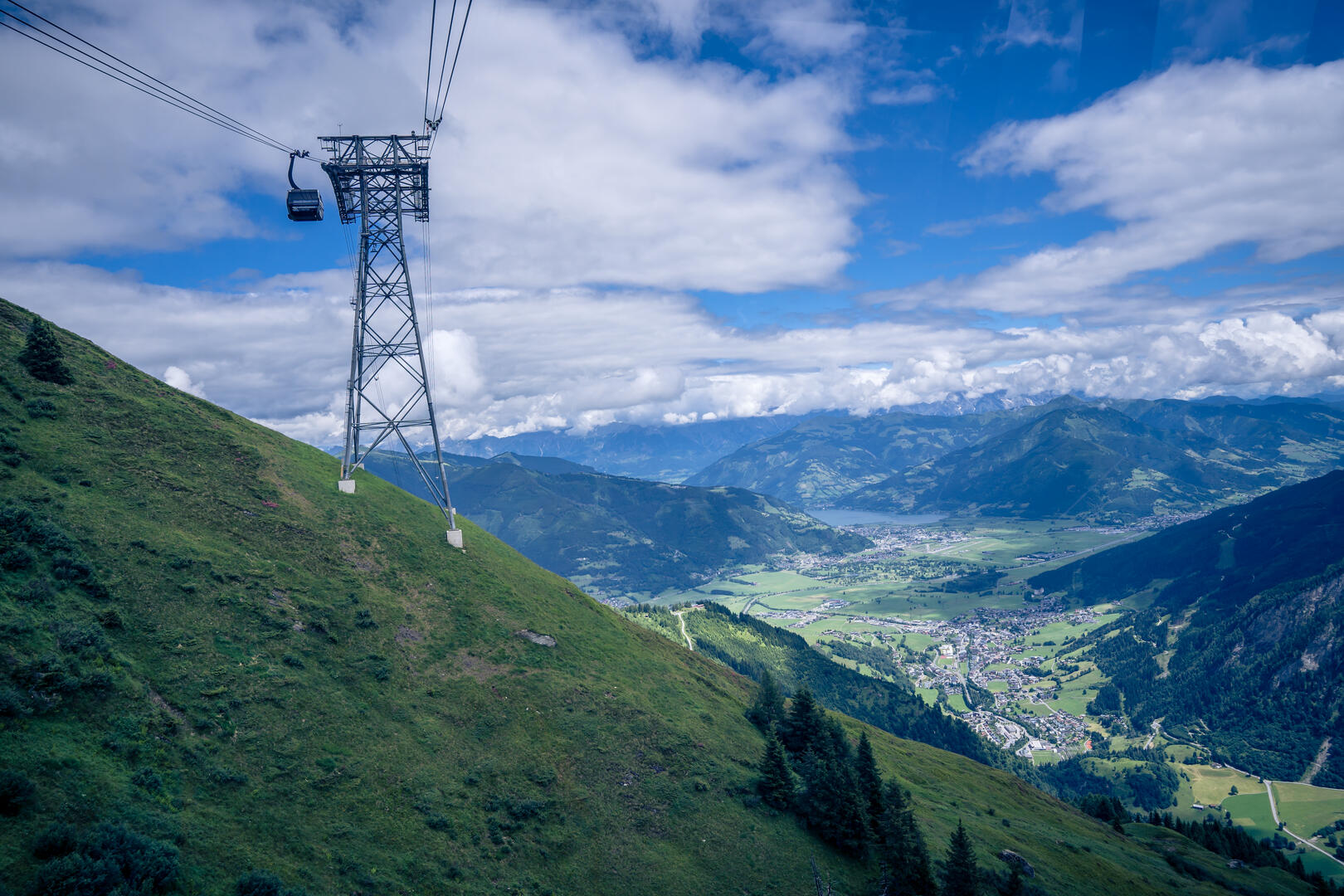
After one last look, we leave the pond behind and return to the upper station to continue up to Langwiedboden on the 3K K-onnection. The panoramic views from the gondolas reveal numerous additional mitigation ponds created by Martin Kyek and his colleagues Thomas Rücker and Helmut Wittmann as part of various projects.
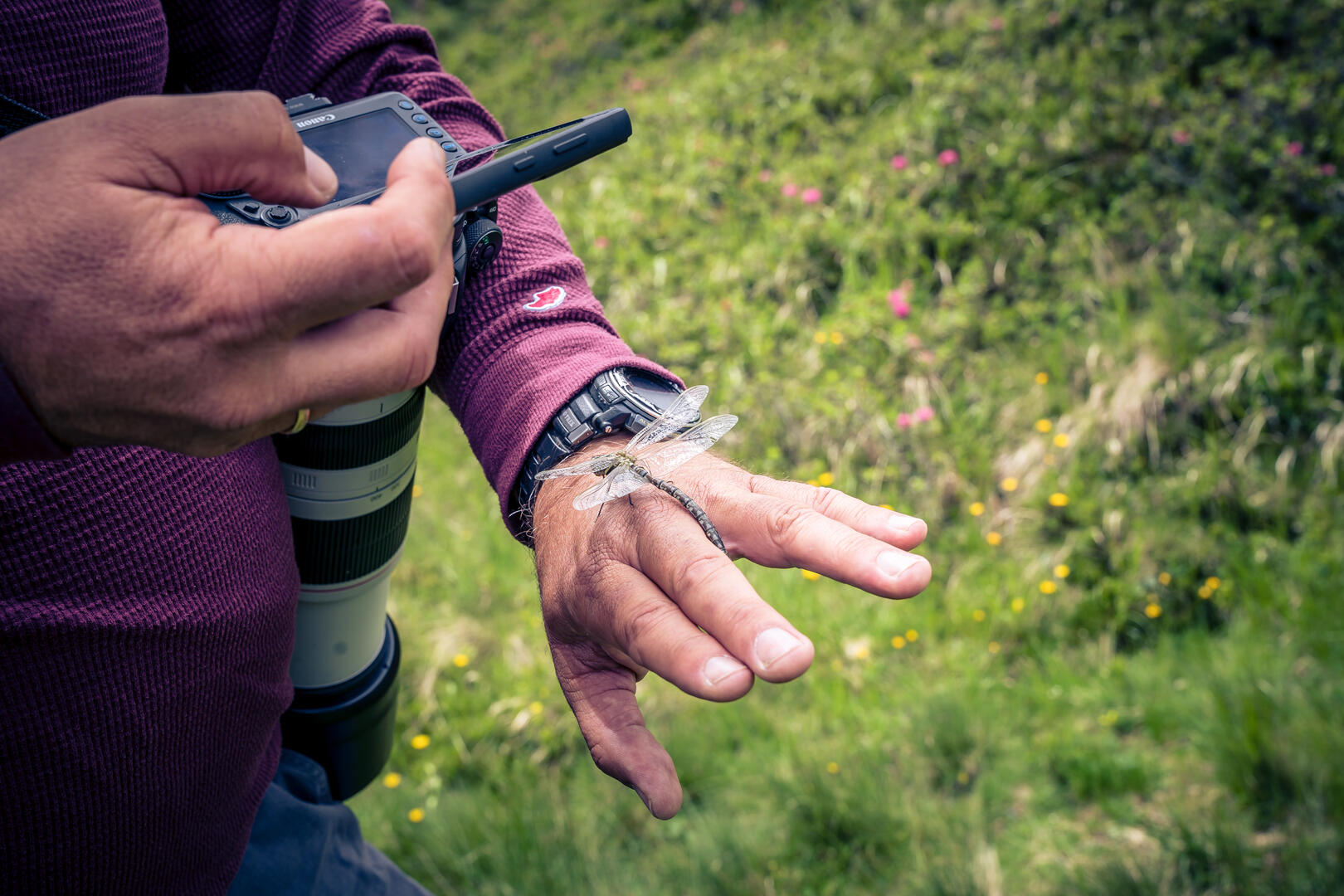
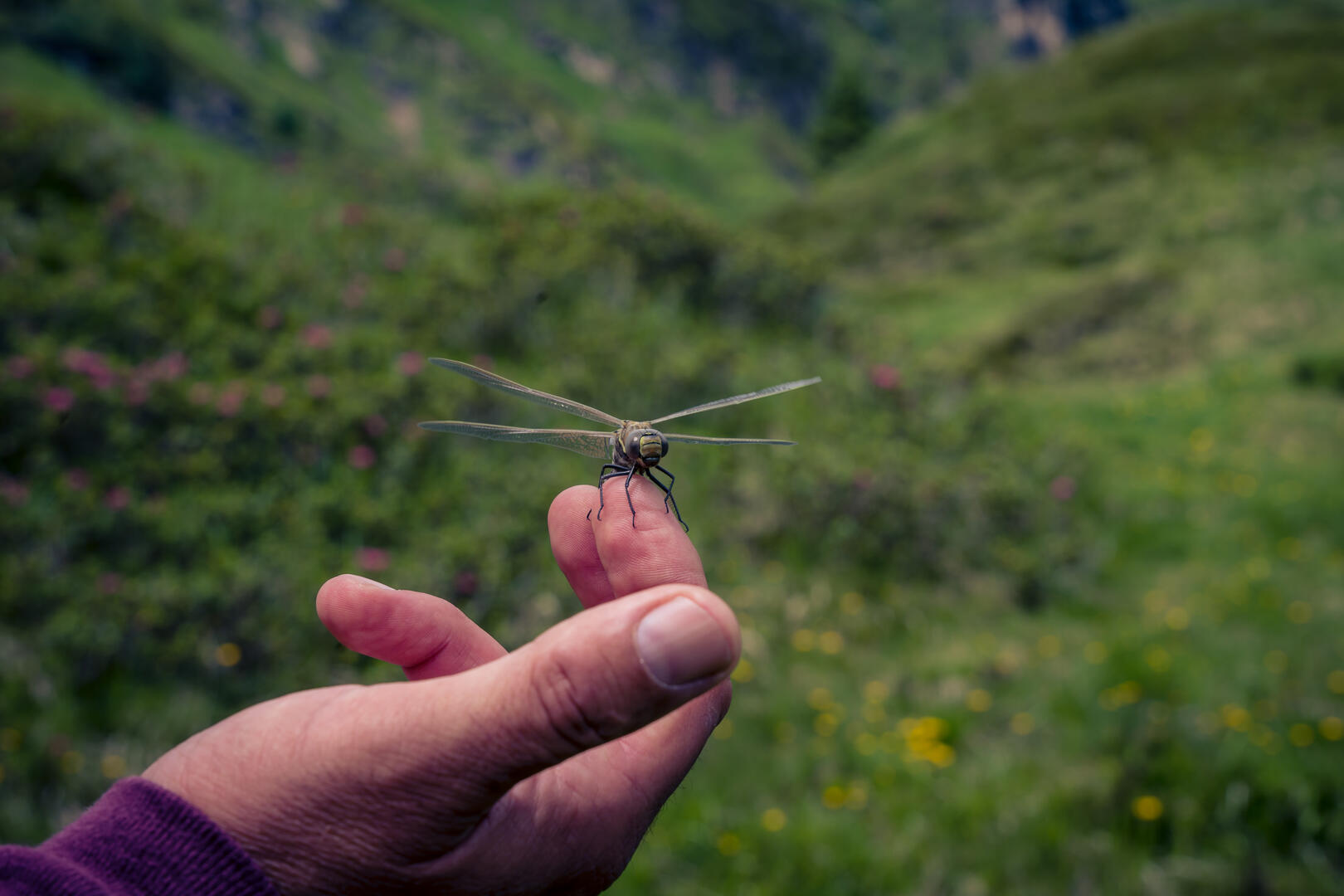
From the upper station, we visit a somewhat hidden breeding pond. To our delight, we find not only large numbers of tadpoles, alpine newts, and common frogs, but also common hawker dragonflies in the tall grass along the shoreline. After spending their larval stage in the water, they are just emerging from their larval skins and beginning their lives as beautiful dragonflies. The scientist examines and documents the animals gently and carefully.
He patiently answers all my questions, and I learn how he distinguishes male frogs from females. How alpine newts can live underwater. What distinguishes an adder from a grass snake. And why a dragonfly does not immediately open its wings and fly away after emerging, but must first expand and allow them to harden.
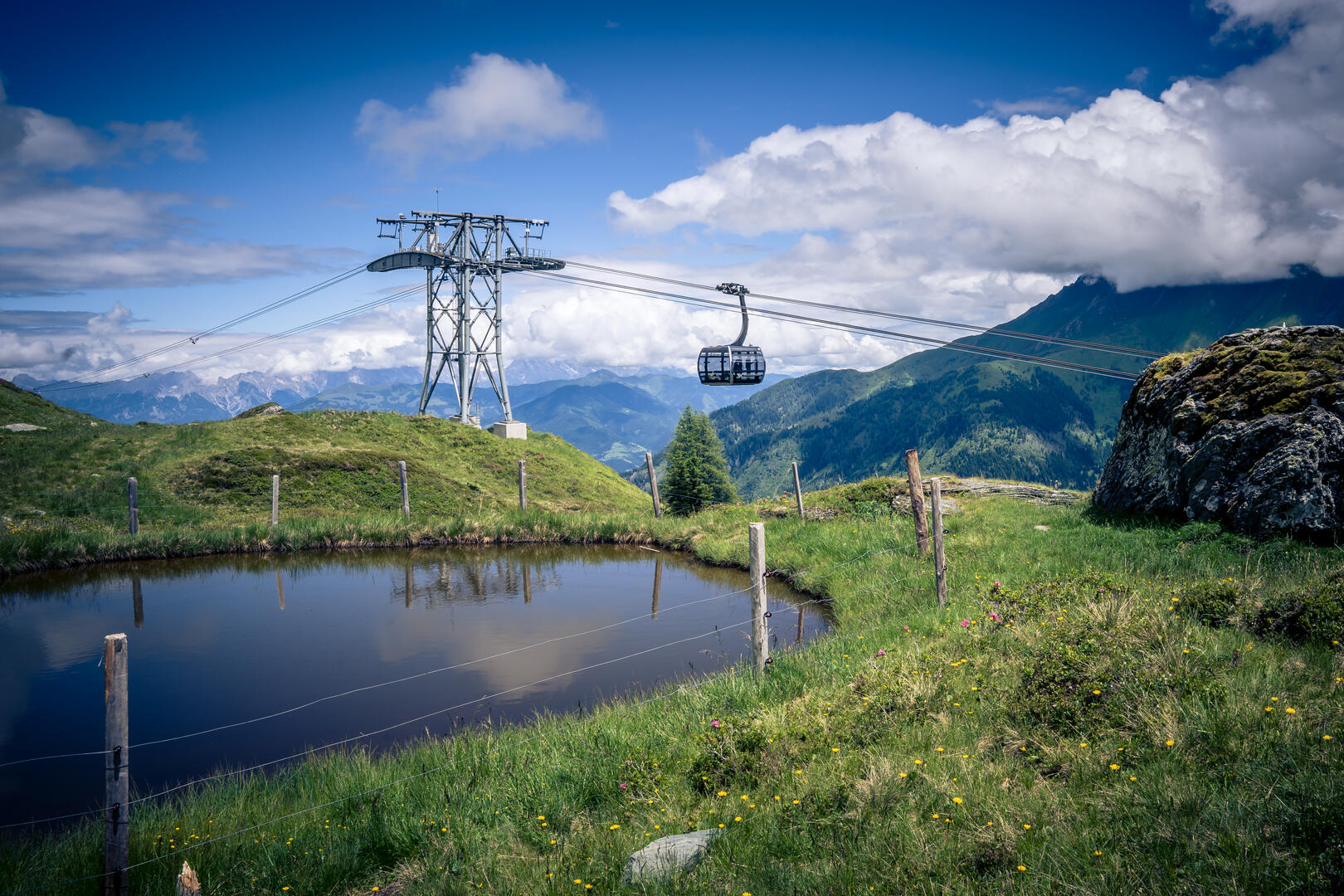
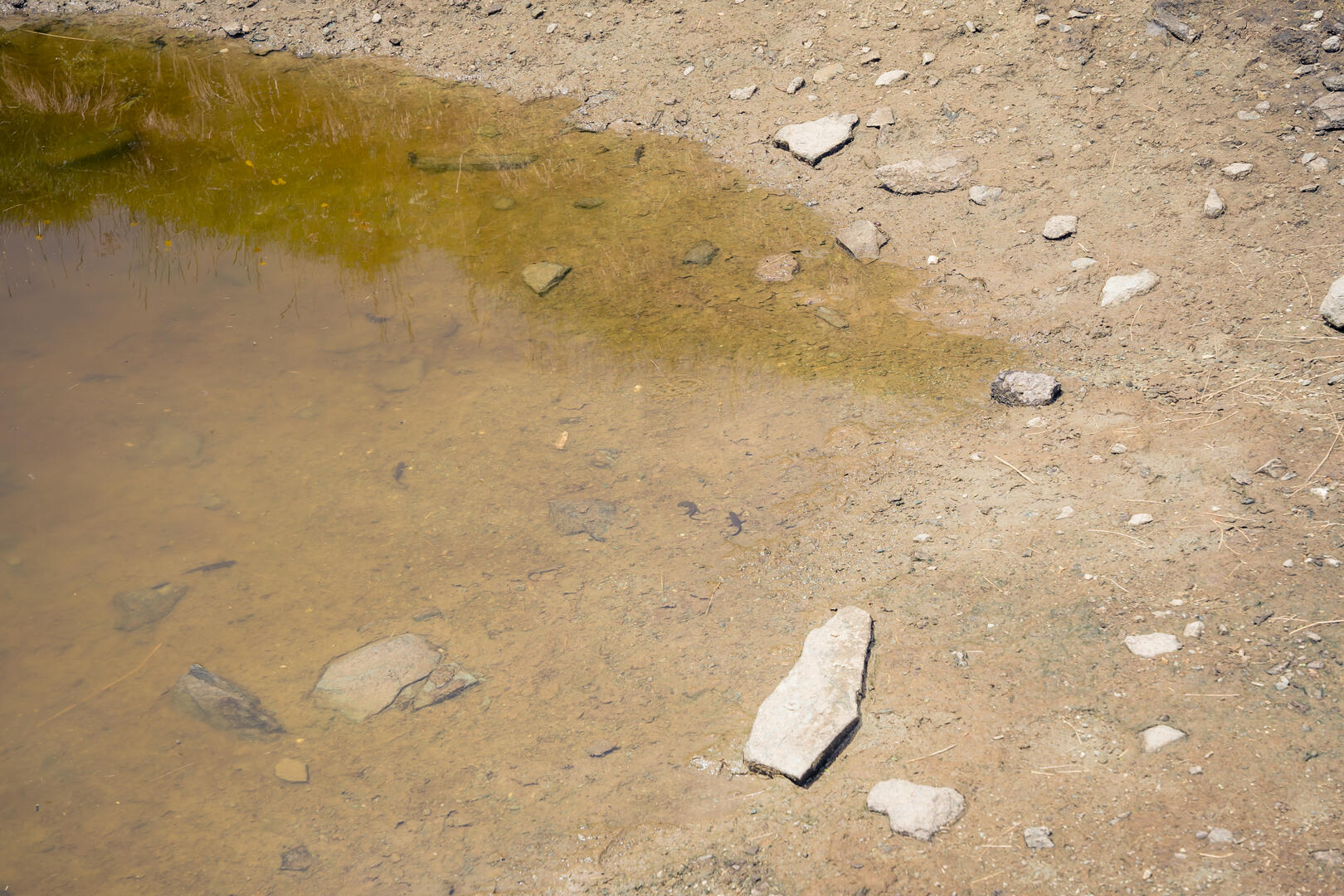
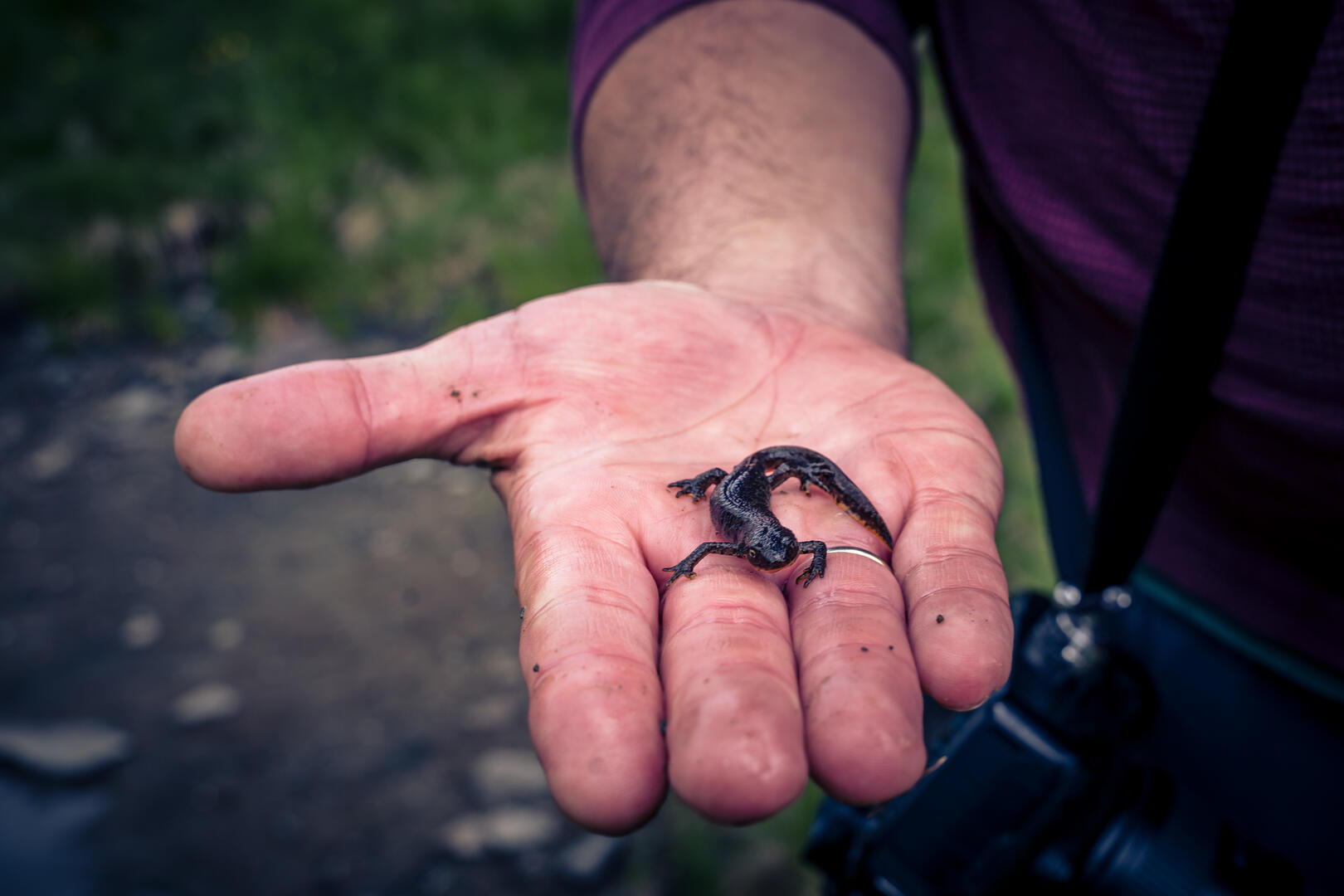
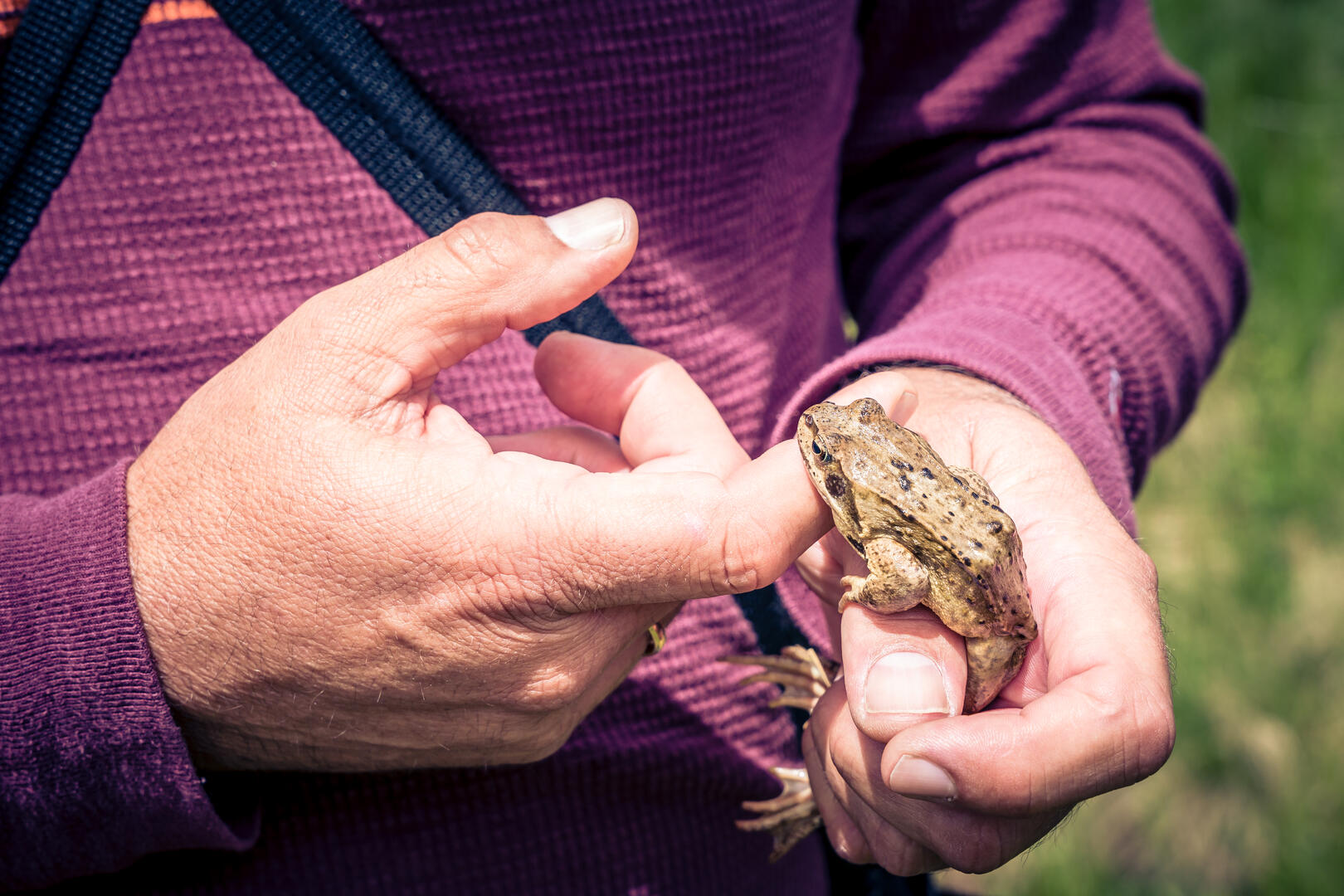
It is obvious that amphibians hold a special place in the experienced biologist’s heart. The animals almost seem to sense his passion and remain surprisingly still while he examines them. The male common frog Martin carefully holds in his large hands appears almost relaxed in his secure grip.
“It is wonderful to see that the animals have found a suitable habitat here. I always enjoy coming back up to make sure that the project remains successful and sustainable even after the work has been completed.”
Martin gently places the frog back on the shoreline. With a loud splash, it jumps into the living room created just for it at Kitzsteinhorn.