

Mountain Cleanup at Kitzsteinhorn
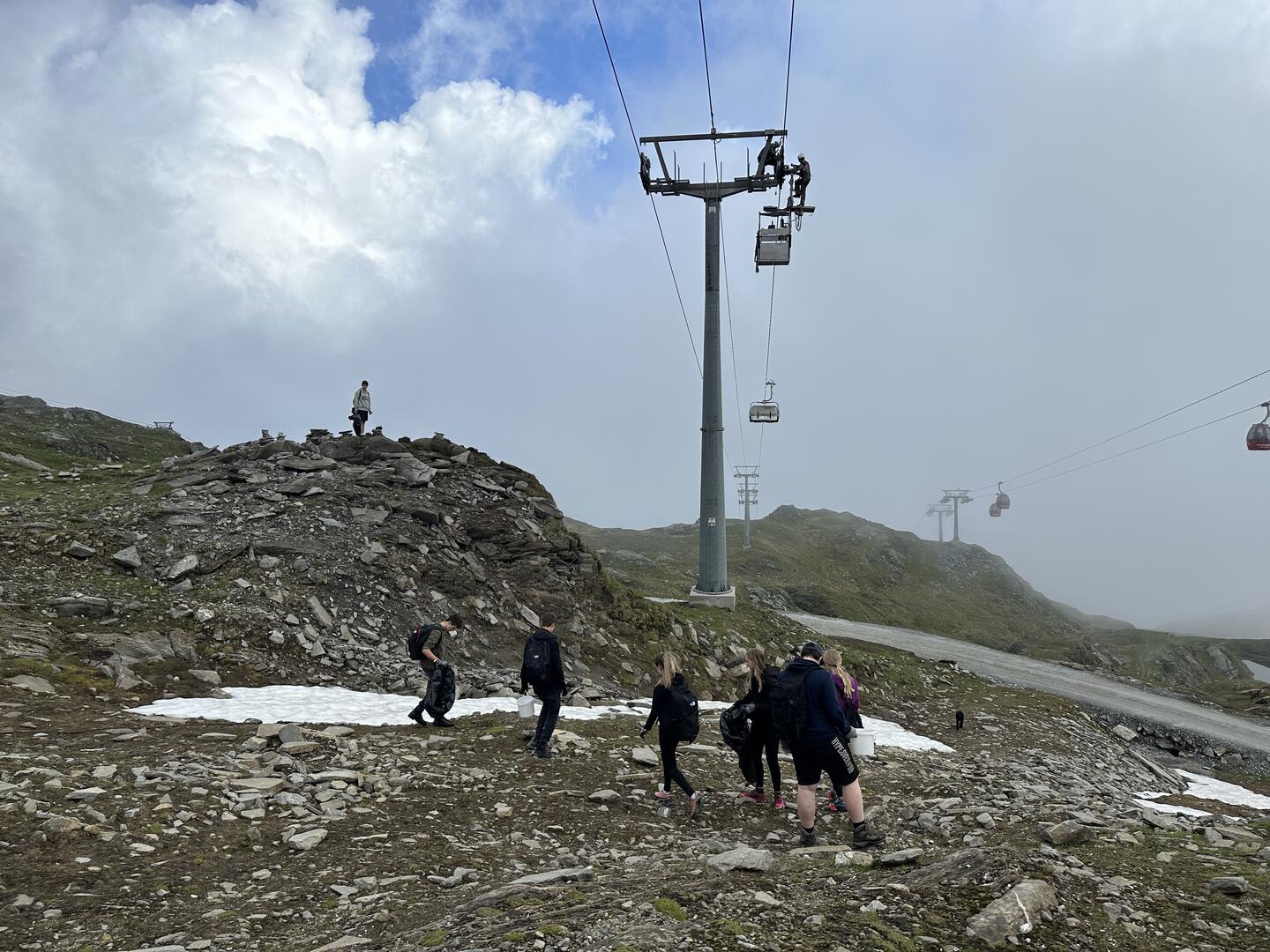
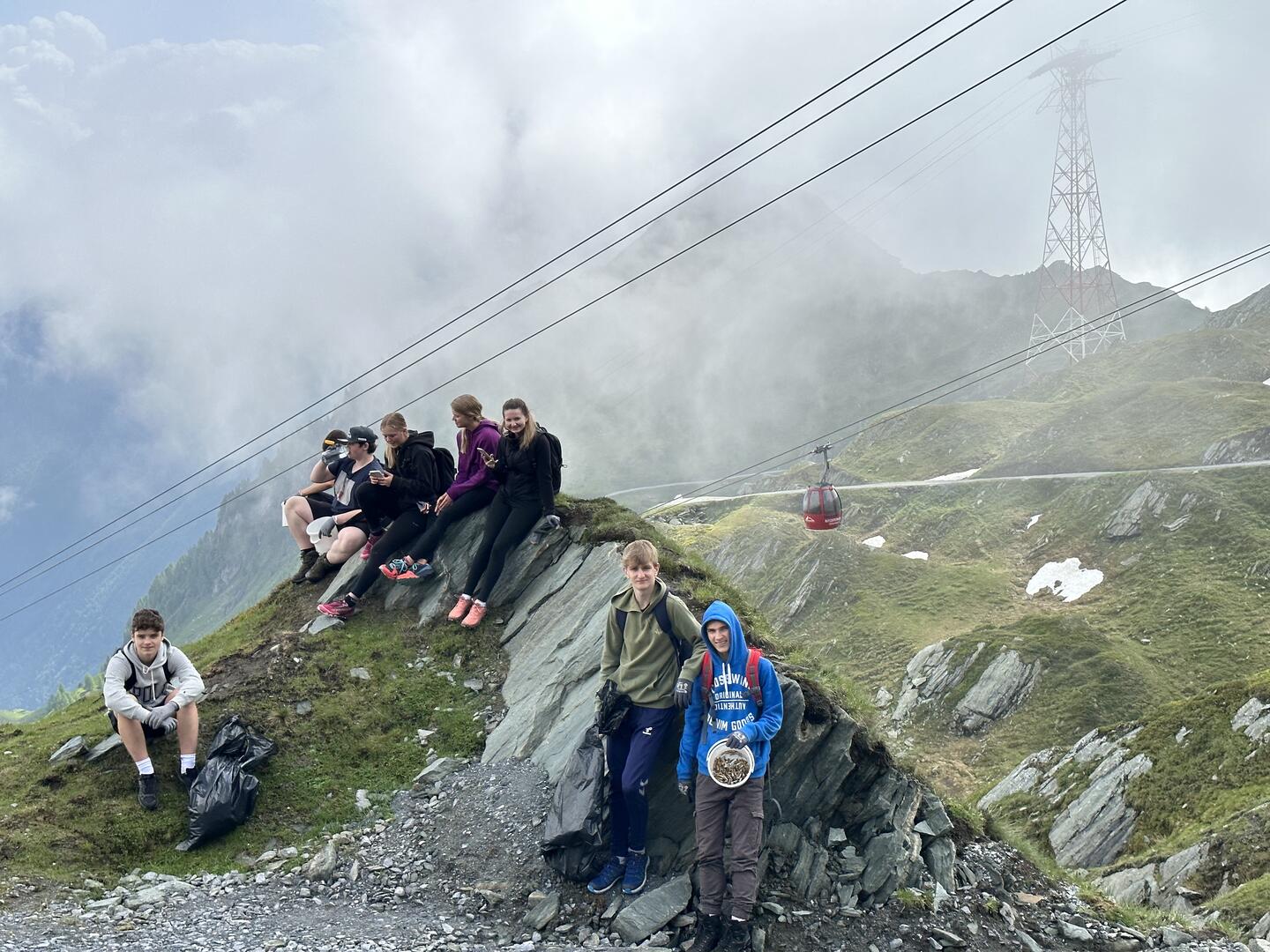
Two days, two school classes, and a remarkable amount of collected trash: Shortly before the end of the 2023 school year, the Zell am See Section of the Austrian Alpine Club joined students from BHAK Zell am See for a cleanup along the slopes and lift routes around the Alpincenter and Langwied.
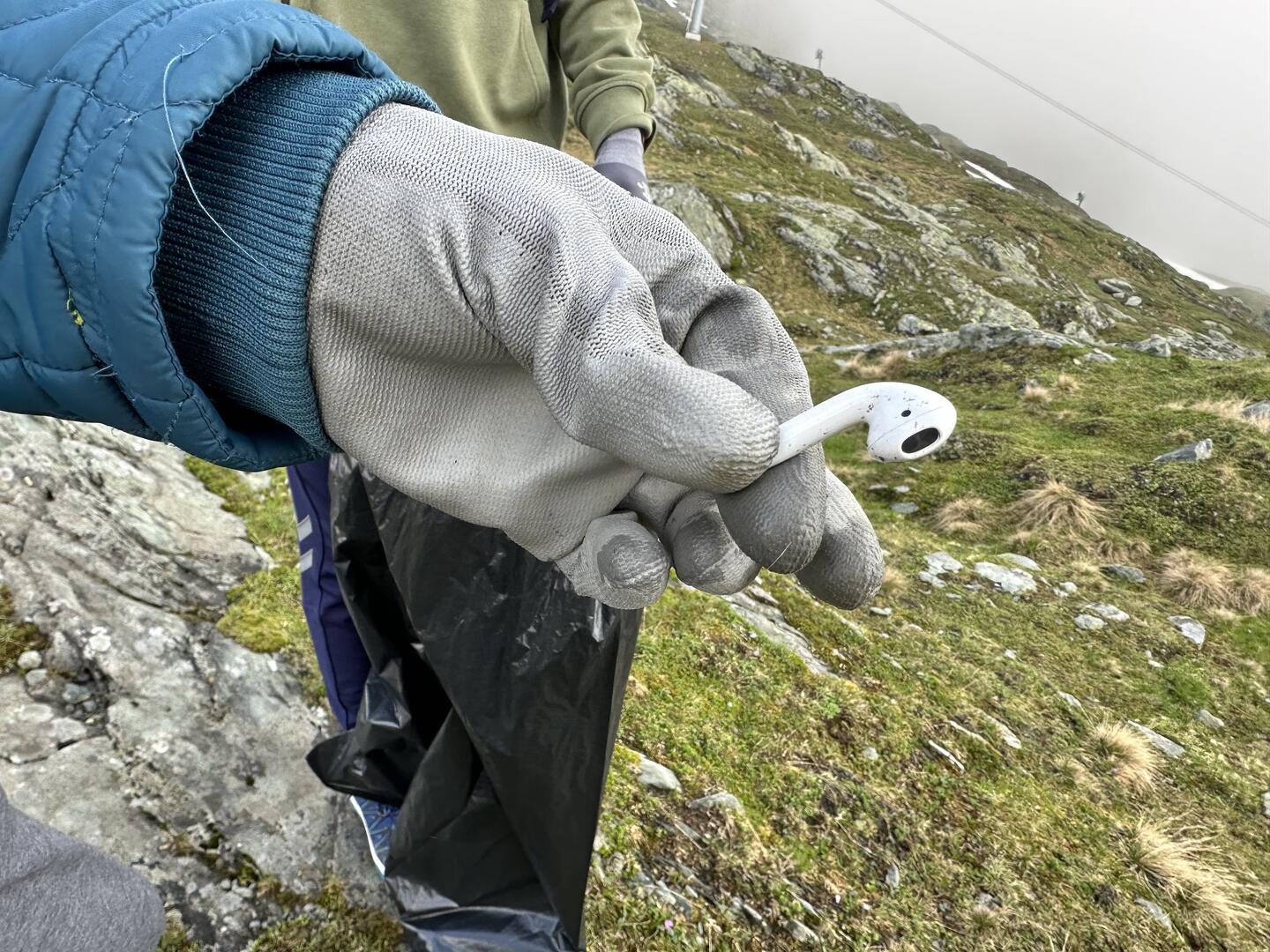
“It is shocking to see what skiers ‘lose’ during a lift ride,” the students agree as they collect litter at Kitzsteinhorn. They also agree that they will be even more careful in the future to make sure nothing falls from their pockets while riding a chairlift or gondola.
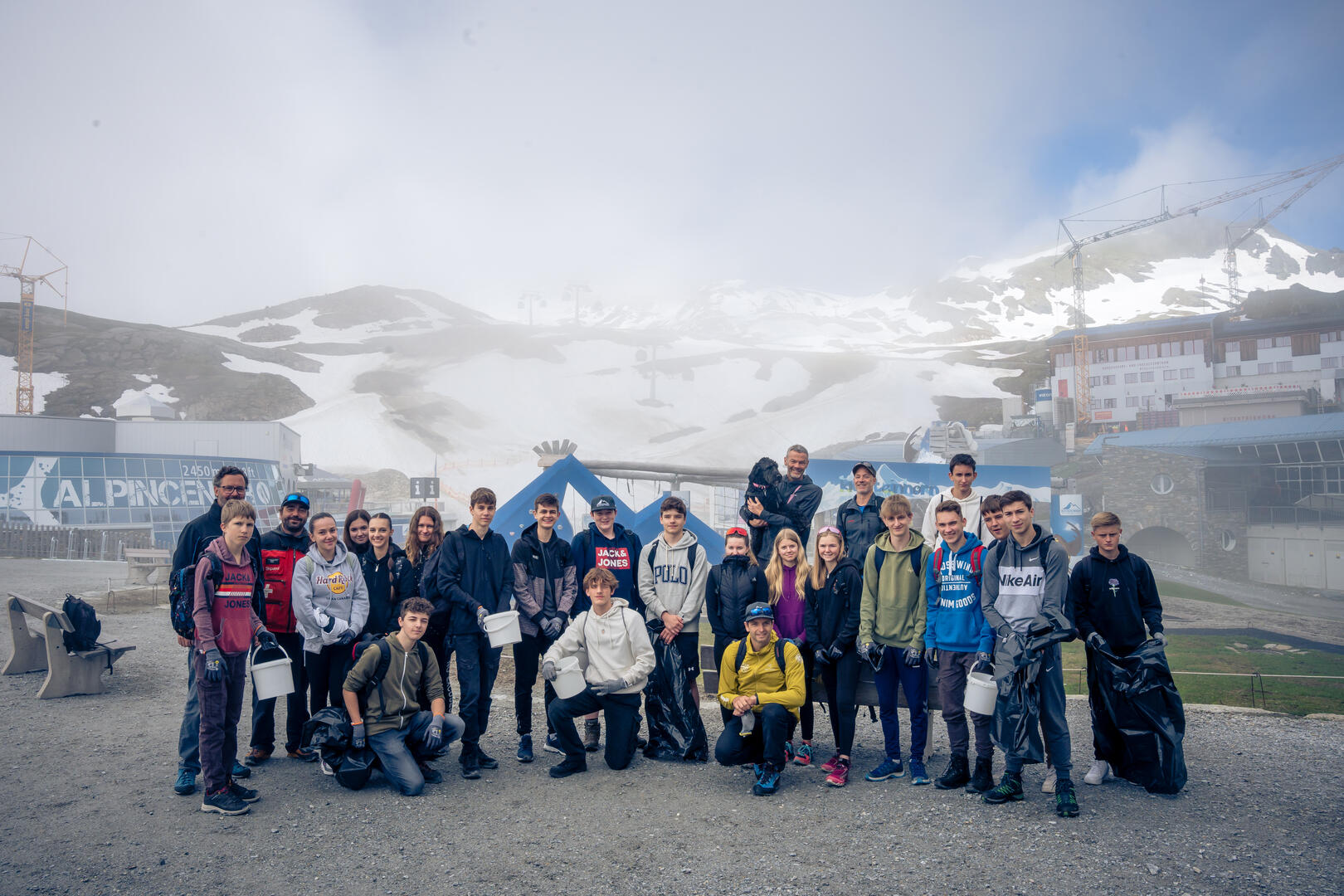
The project was originally planned to mark the 150th anniversary of the Zell am See Section of the Austrian Alpine Club in 2022, as Gabriel Seitlinger explains:
“Conservation is one of the Alpine Club’s three core pillars. That includes keeping our mountains free of litter. Unfortunately, the weather did not cooperate during the anniversary year, so the environmental cleanup project was carried out at the end of the 2023 school year.”


Lost and Left Behind
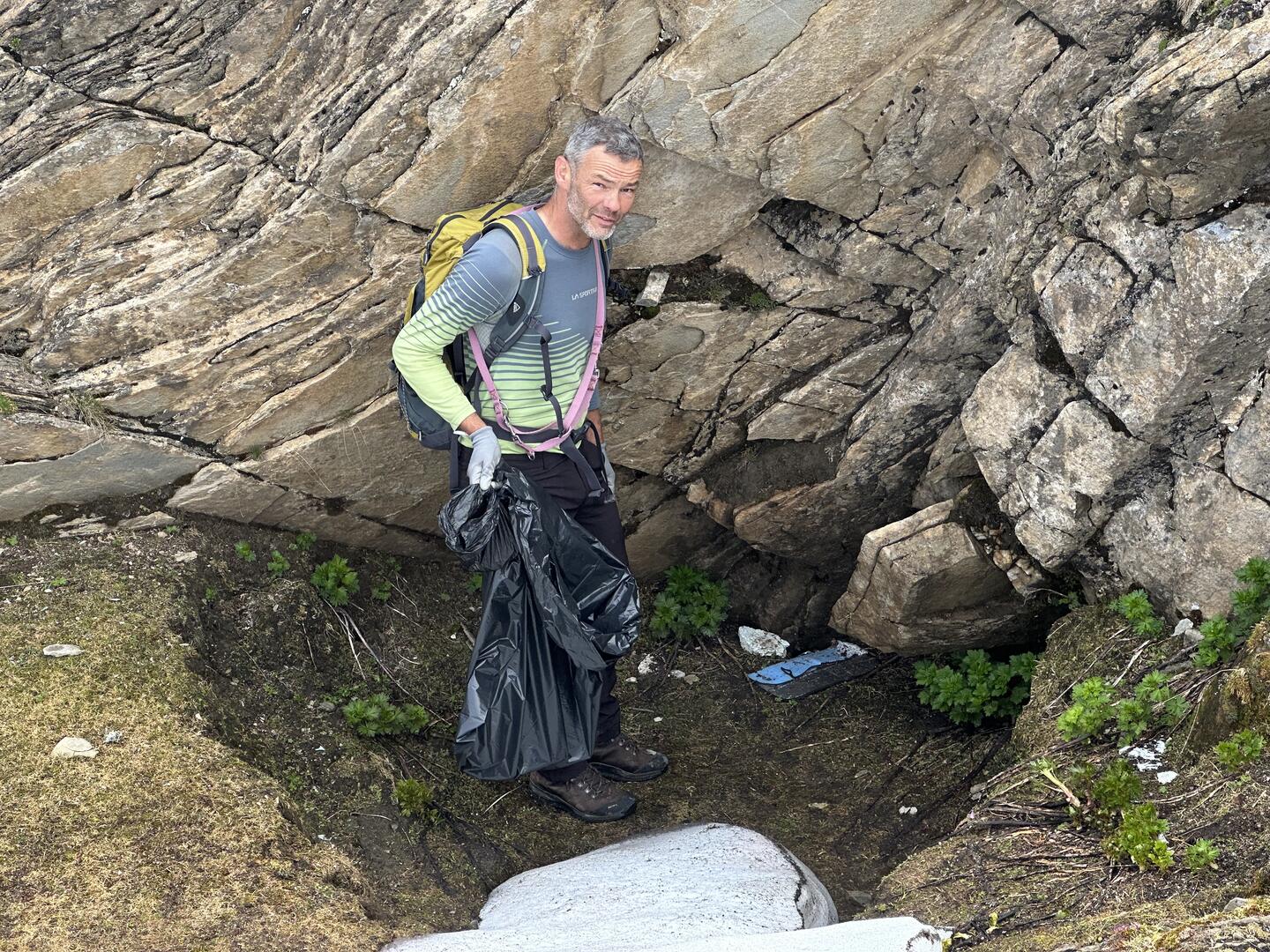
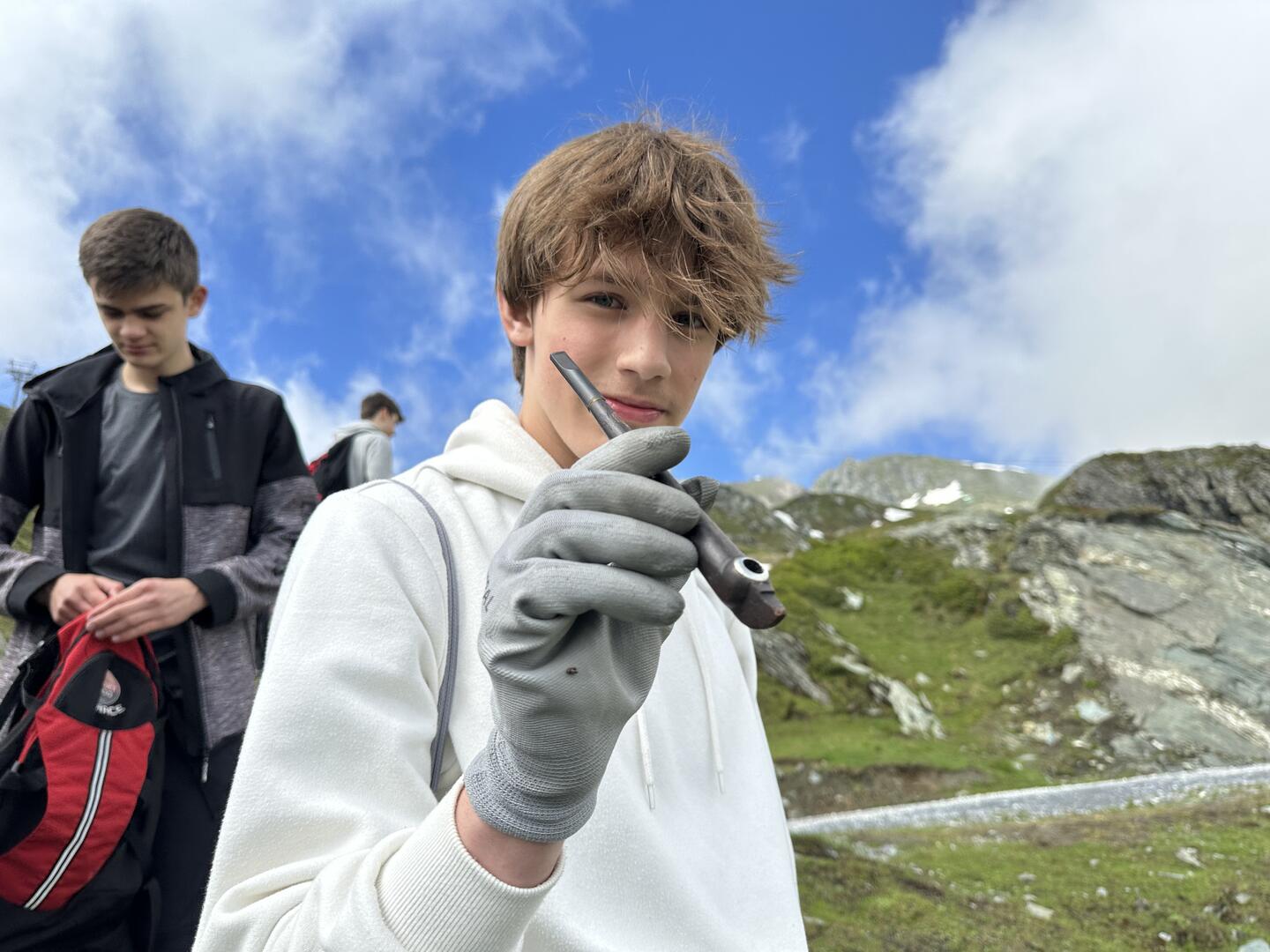
Along with expensive smartphones, headphones, coins, credit cards, gloves, hats, and sunglasses that had presumably fallen unintentionally from chairlifts, the students found plenty of cigarette butts, tissues, and snack wrappers to add to their trash bags.
“I have to admit that I have dropped something during a lift ride myself,” one student says thoughtfully.
“It sails down, lands in the deep snow, and seems to disappear. But in the spring, when the snow melts, everything comes back into view. After this cleanup, I will definitely be even more careful not to lose anything.”

How Long Does Litter Last?
Gabriel Seitlinger explains how long the items can remain an environmental or visual problem in high-alpine terrain:
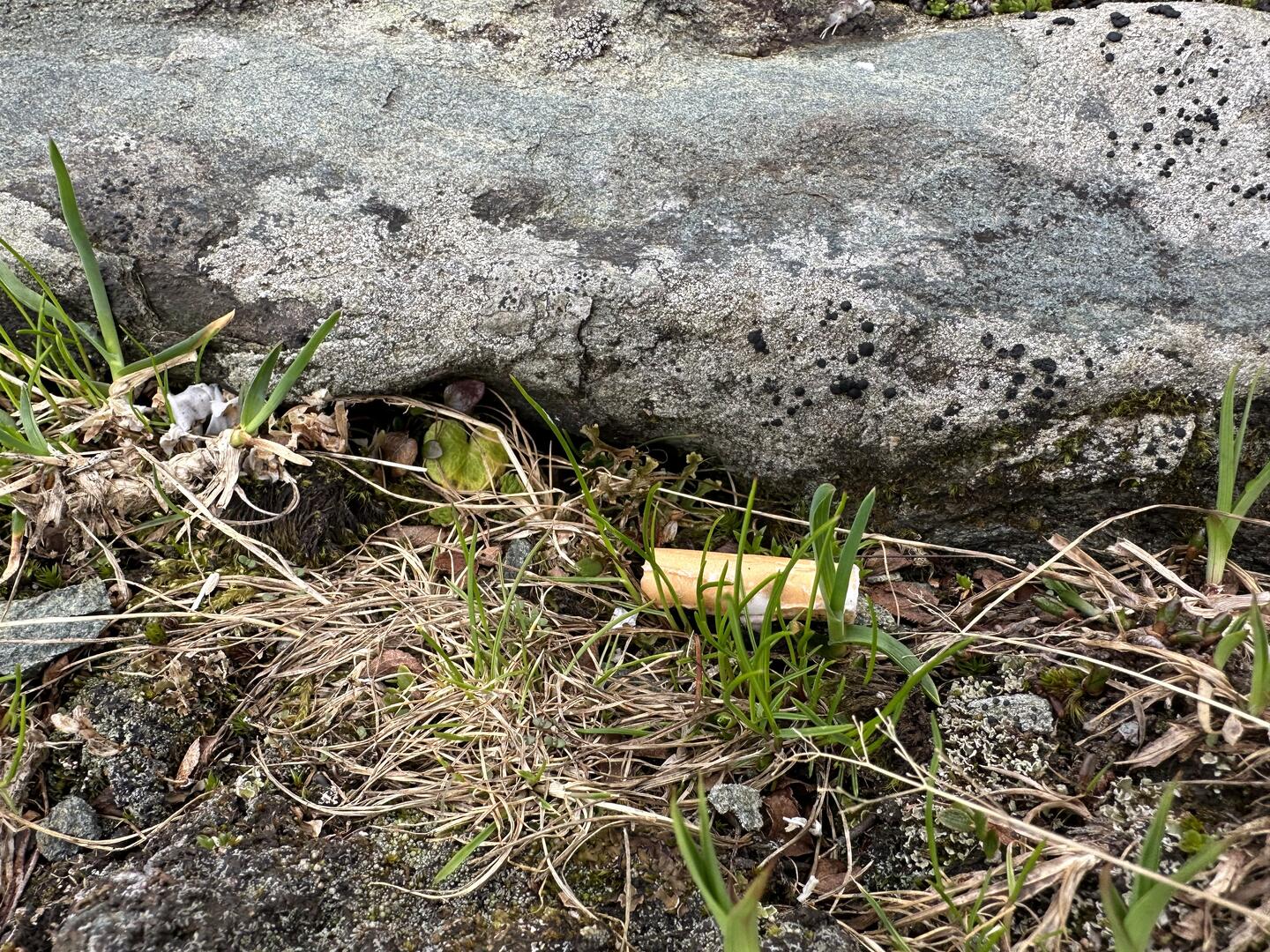
“According to the Austrian Alpine Club’s decomposition chart, a paper tissue takes approximately one to five years to break down in nature. A cigarette butt takes two to seven years, and its pollutants can also contaminate soil and groundwater.
“Depending on conditions, a tin can can remain for 50 to 500 years, while its sharp edges may injure animals. A plastic bottle takes 100 to 5,000 years to break down and may release plasticizers into the environment. Glass bottles can persist for thousands of years or virtually forever, and broken glass poses a serious danger to wildlife.”

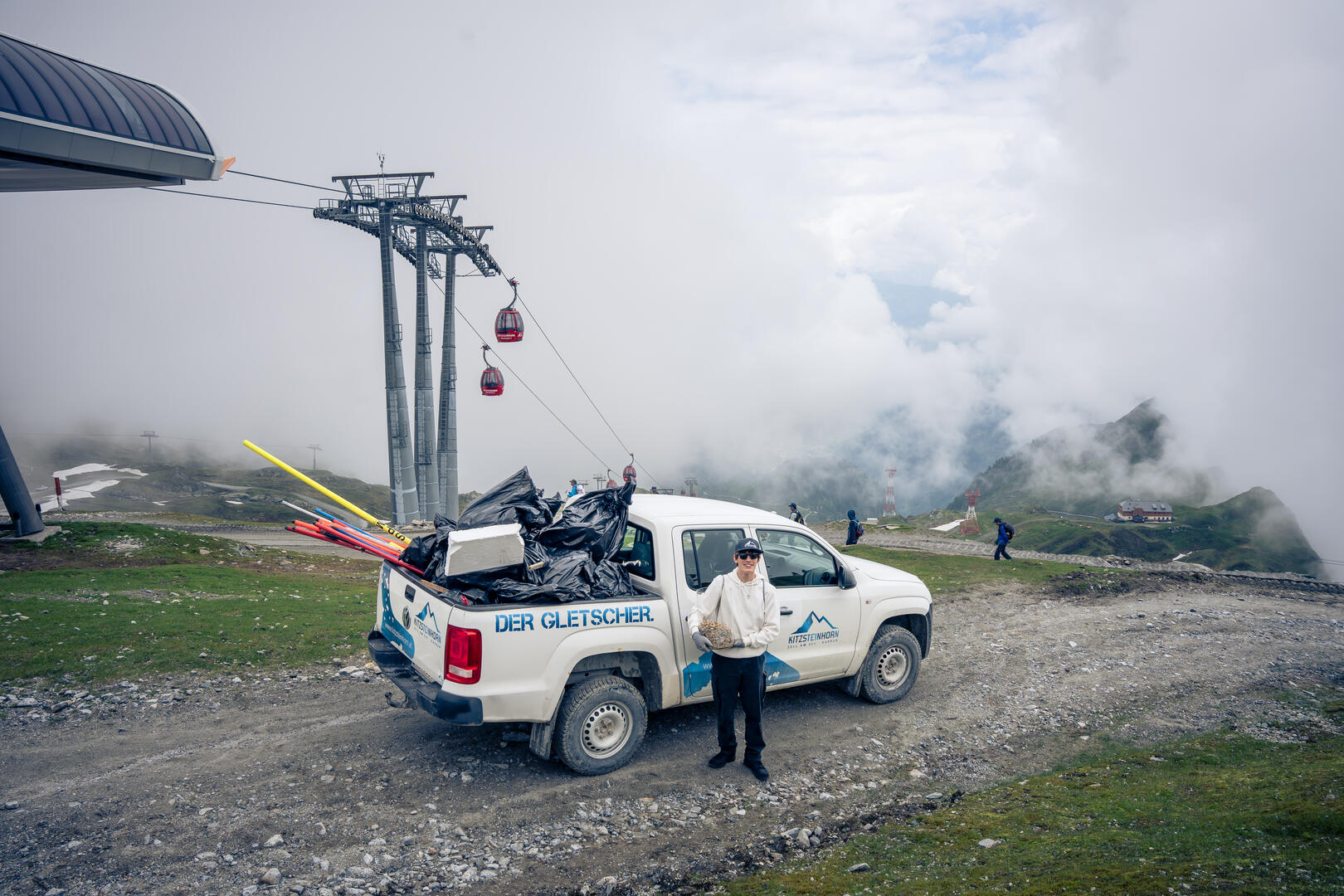

ngo Steiner, the operations manager, thanked the students for their hard work. His team also regularly collects litter along the slopes and lift routes.
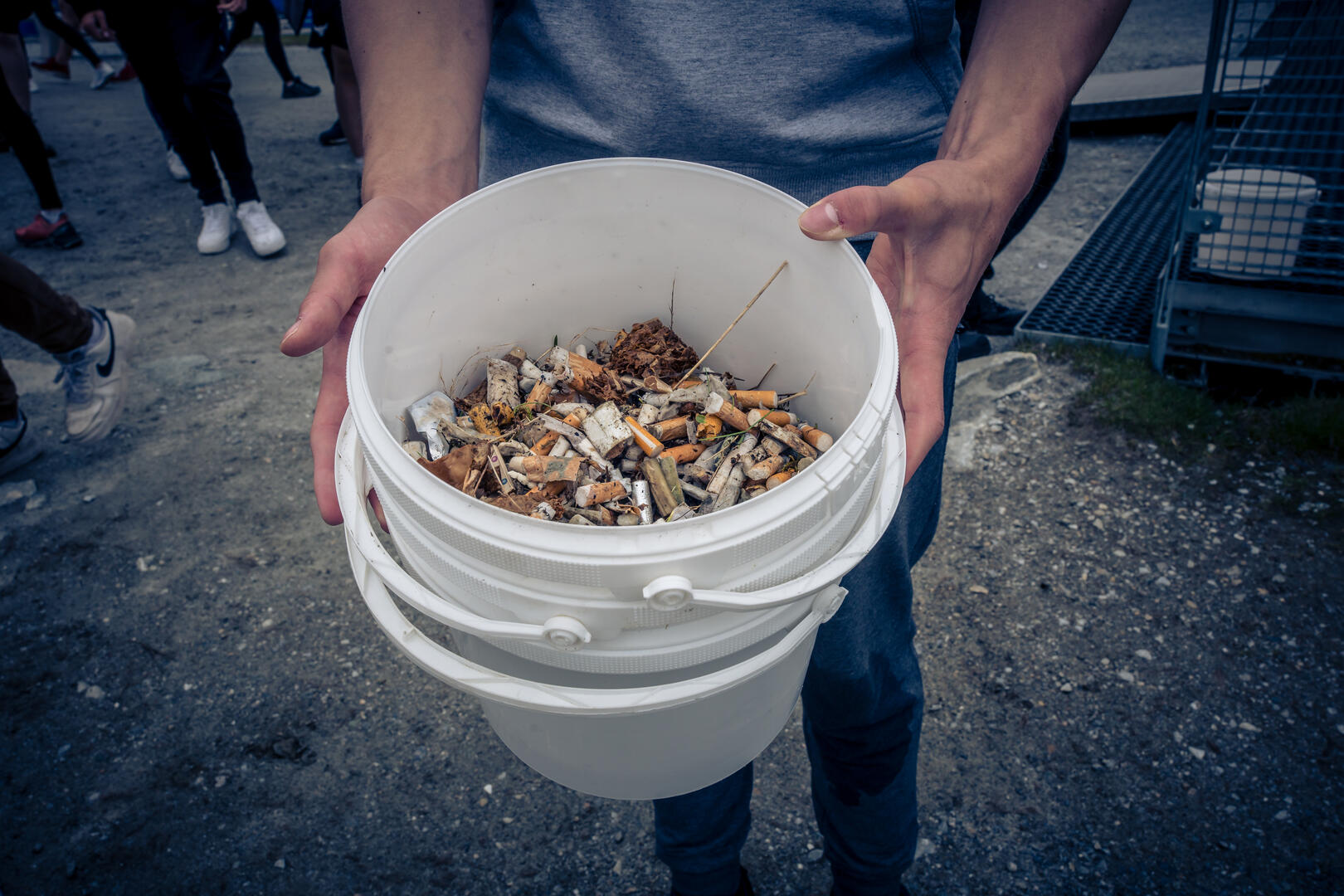
The buckets of cigarette butts collected separately over the two days were particularly eye-opening. Ingo Steiner presented them to the students in a glass cylinder, creating a striking visual representation of the project’s success—and hopefully reminding visitors to put wrappers, tissues, and cigarettes back in their pockets rather than leaving them behind on the mountain.