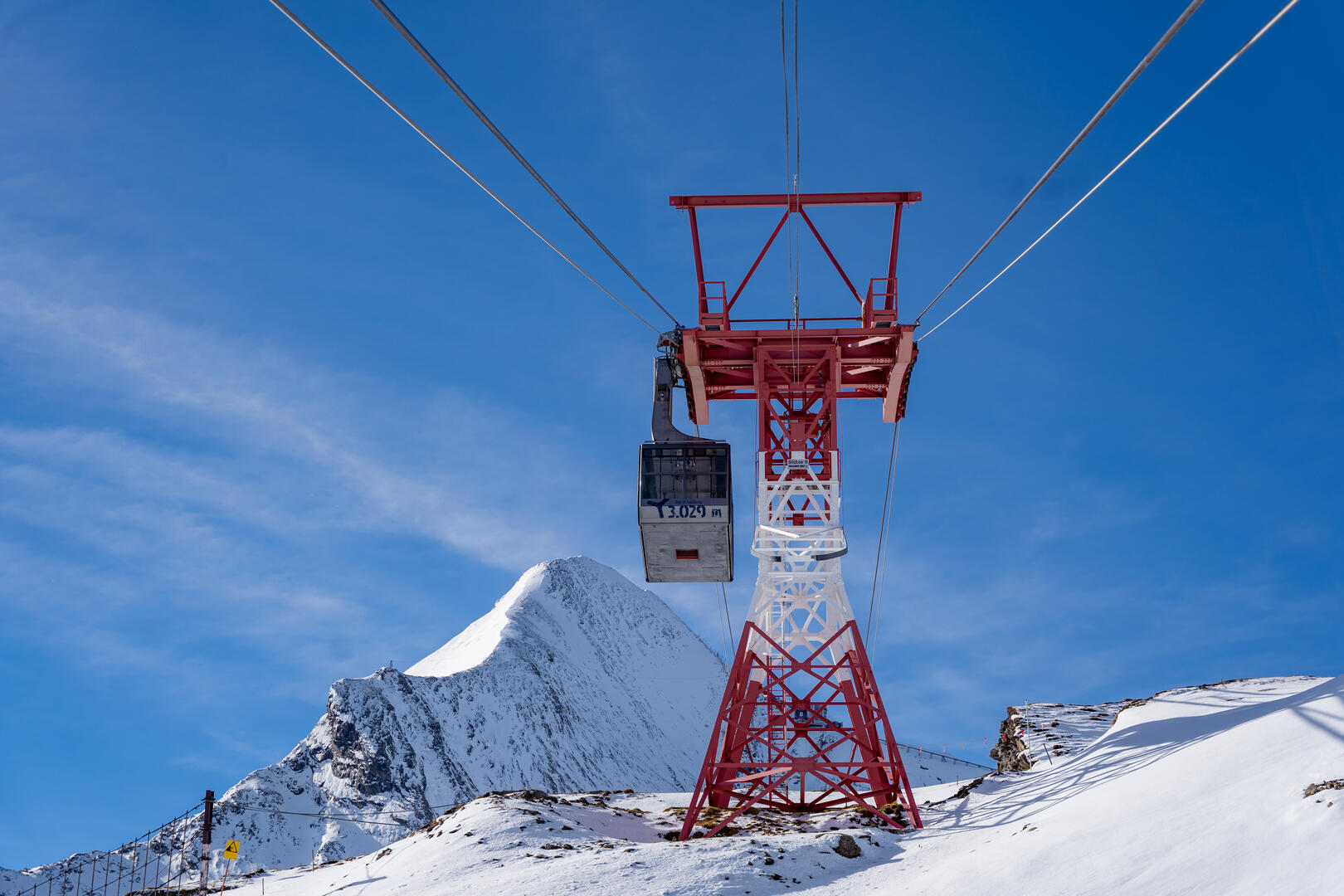

Partnership with Hohe Tauern National Park
Can a national park and a ski resort share the same mountain? Absolutely—as demonstrated by the long-standing partnership between Hohe Tauern National Park and Gletscherbahnen Kaprun AG. The two organizations have worked closely together since 2010 and formalized their partnership by signing a permanent cooperation agreement in 2012.
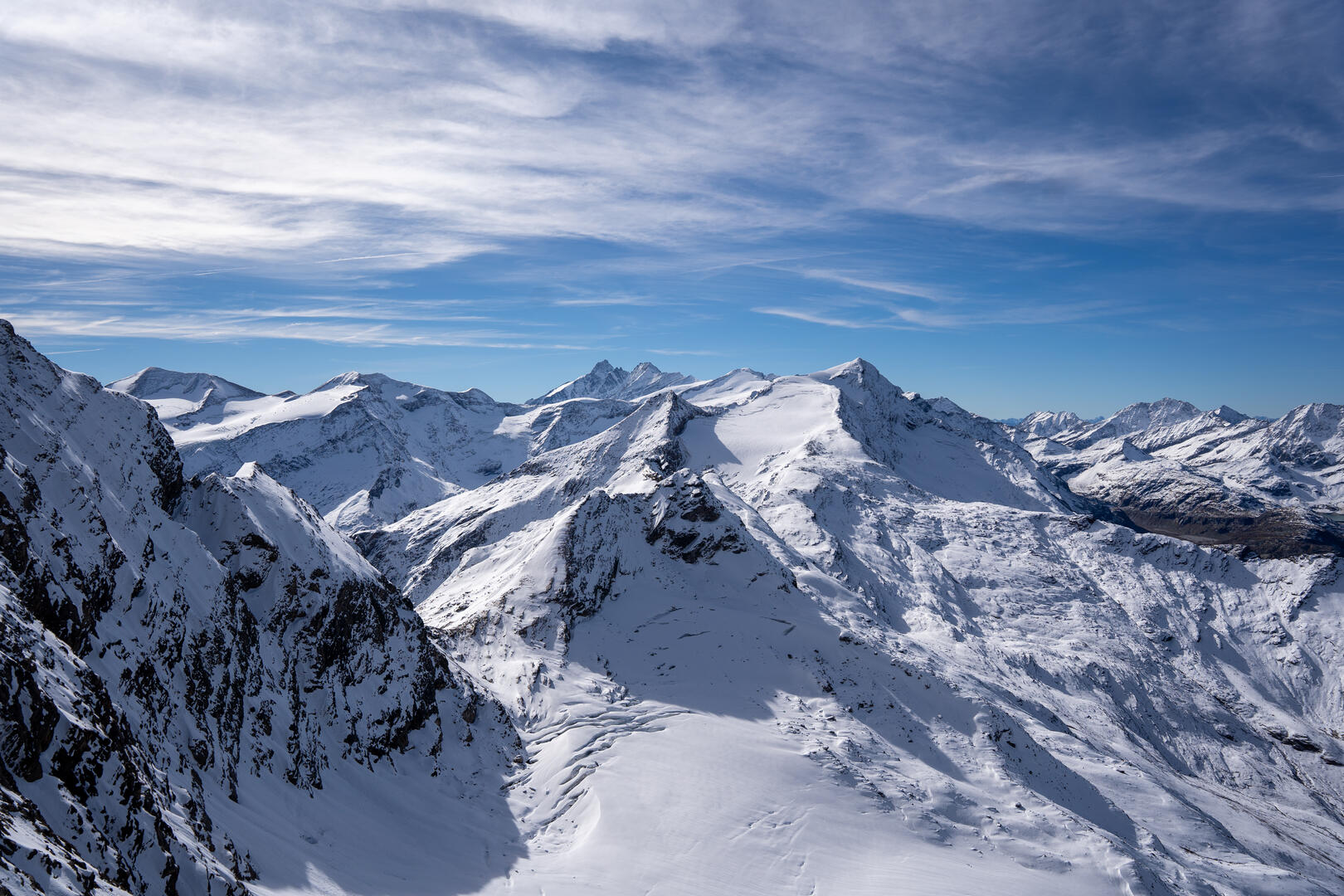
Hohe Tauern National Park is the largest national park in Central Europe and one of the world’s most spectacular high-alpine landscapes. Extending from peaceful, pristine valleys to the summits of majestic peaks rising above 10,000 feet, it is home to extraordinary biodiversity, including 15,000 animal species and 3,500 plant species. Kitzsteinhorn borders Hohe Tauern National Park directly, and good neighbors have become trusted partners.
Wolfgang Urban is Director of Hohe Tauern National Park Salzburg. For this story, we joined him and Norbert Karlsböck, then CEO of Gletscherbahnen Kaprun AG, for a summit meeting right on the national park boundary. Wolfgang Urban remains National Park Director Salzburg; Thomas Maierhofer is the current CEO of Gletscherbahnen Kaprun AG.
Meeting at the Summit
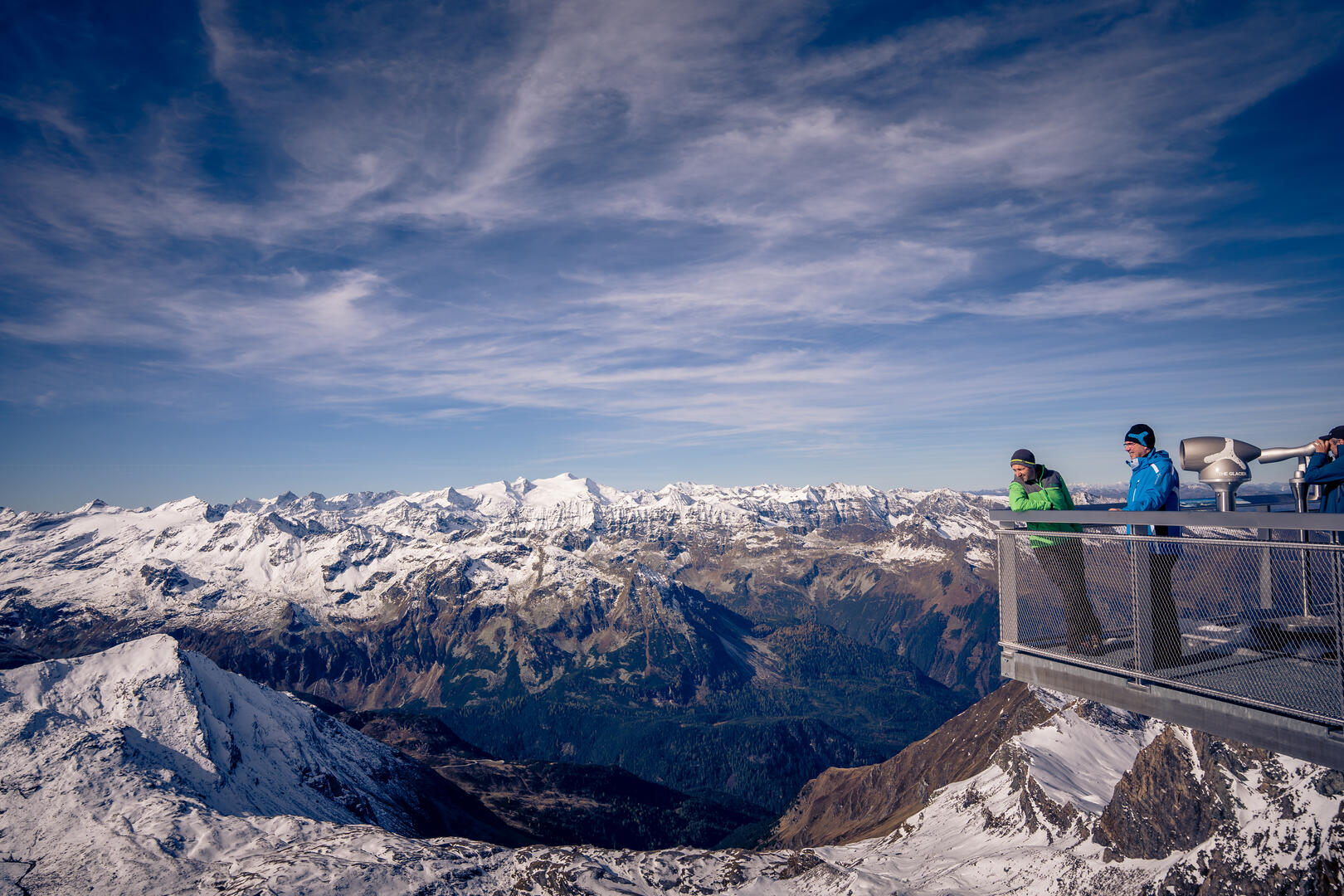
We meet at TOP OF SALZBURG, a year-round destination that is easy for visitors to reach and features the Gipfel Restaurant, Cinema 3000, panoramic viewing platforms, and truly breathtaking views.
“Welcome to Kitzsteinhorn,” Norbert Karlsböck says as he greets us. From the panoramic platform, we look down at the many winter sports enthusiasts enjoying the broad glacier slopes below. We then make our way through the tunnel running directly through the Kitzsteinhorn summit massif.
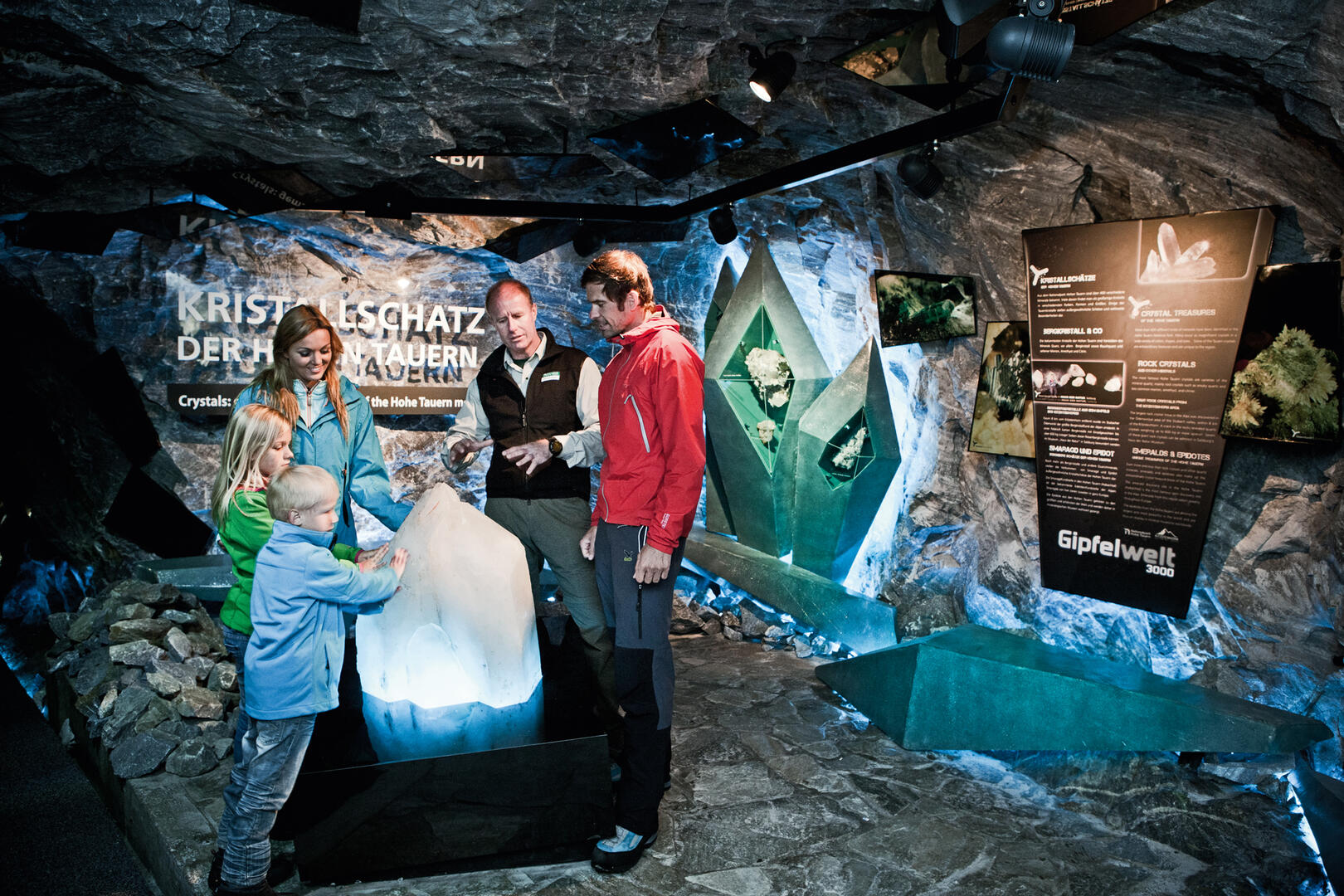
At various stations along the way, visitors learn about the mountain’s geology, the sophisticated engineering used to secure the summit station, and the natural treasures and phenomena of the Hohe Tauern. The tunnel also contains monitoring stations for an ongoing permafrost research project. Between them, there is silence. In the dim light, it almost feels as though you can sense the mountain’s heartbeat—slow, strong, and steady.
Emerging from the end of the tunnel feels like surfacing from another world. Cold, clear air, sunlight, and a seemingly endless expanse welcome us as we arrive at the Nationalpark Gallery viewing platform.
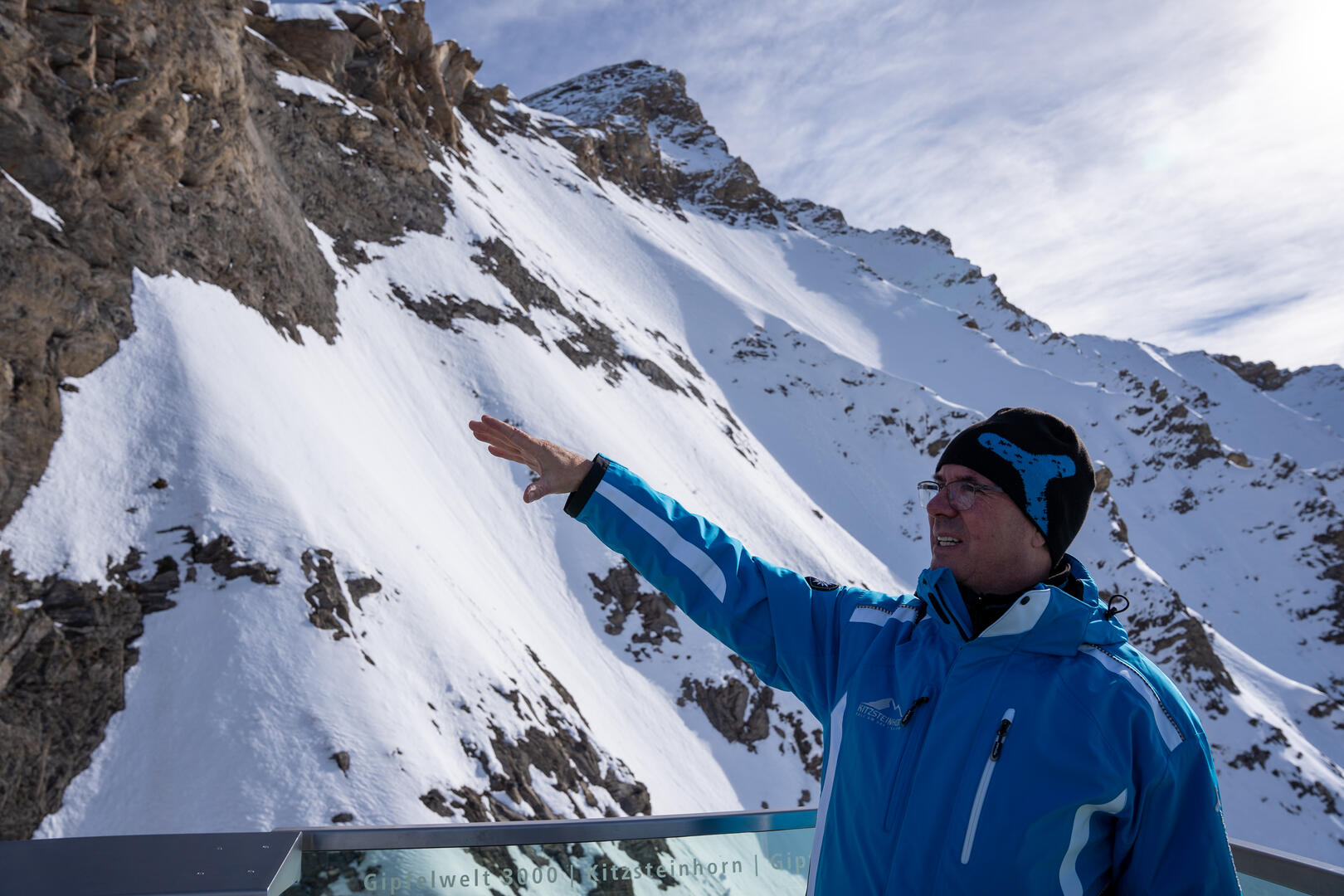
“Welcome to Hohe Tauern National Park,” Wolfgang Urban says with a laugh, pointing to the mountain ridge behind us. It marks the boundary between the national park’s outer zone and the Kitzsteinhorn ski area. Here, amid the silence of the ridge, the untouched wilderness feels incredibly close.
Kitzsteinhorn and the national park have worked closely together since TOP OF SALZBURG was built in 2010. In 2012, the partners formalized their collaboration with a permanent cooperation agreement. Wolfgang Urban remembers it well:
“During an on-site visit, I was impressed by the large number of international guests who come up to Kitzsteinhorn. For us, this offers a unique opportunity to fulfill the national park’s educational mission through the information tunnel, the viewing platform, and guided ranger tours.
“We want to help people appreciate the value of the national park’s untouched natural environment while they are here at eye level with the 10,000-foot peaks. All it takes is this view, the silence, and no artificial staging. The high-alpine landscape is impressive enough on its own.”
All it takes to help visitors appreciate the national park’s untouched natural environment is the view from Kitzsteinhorn, the silence, and no artificial staging.
Between Alpine Adventure and Boundless Silence
Kitzsteinhorn is the defining landmark of the Zell am See-Kaprun region, and anyone who has stood at its 3,203-meter summit will understand the mountain’s enduring mystique.
As we look up toward the summit along the boundary line, Norbert Karlsböck explains:
“I like to compare Kitzsteinhorn’s distinctive summit to a three-sided pyramid.
“To me, its three faces represent three different uses of the mountain: tourism on the northwest side, the national park on the south side, and hydropower from the high-alpine reservoirs on the east side. Each has its own legitimacy, history, and strengths. Although they may initially appear incompatible, together they form a respectful whole—a unique symbiosis.
“To me, the mountain is a legend. It is filled with stories—visionary, tragic, uplifting, joyful, and moving stories.
“At Kitzsteinhorn, we do not focus on superlatives. Things do not always have to be higher, faster, or farther. Our goal is to improve the quality of what already exists and preserve this magnificent natural environment for future generations. The three dimensions of sustainability—environmental, economic, and social—must remain in balance.
“Over the years, we have responsibly and constructively managed the transition from a year-round ski area to a snow-reliable high-altitude ski area with year-round panoramic experiences overlooking Hohe Tauern National Park. Step by step, we continue along our path at Kitzsteinhorn with the greatest possible respect for resources, ecology, and sustainability.”