

Respect Your Boundaries at Kitzsteinhorn
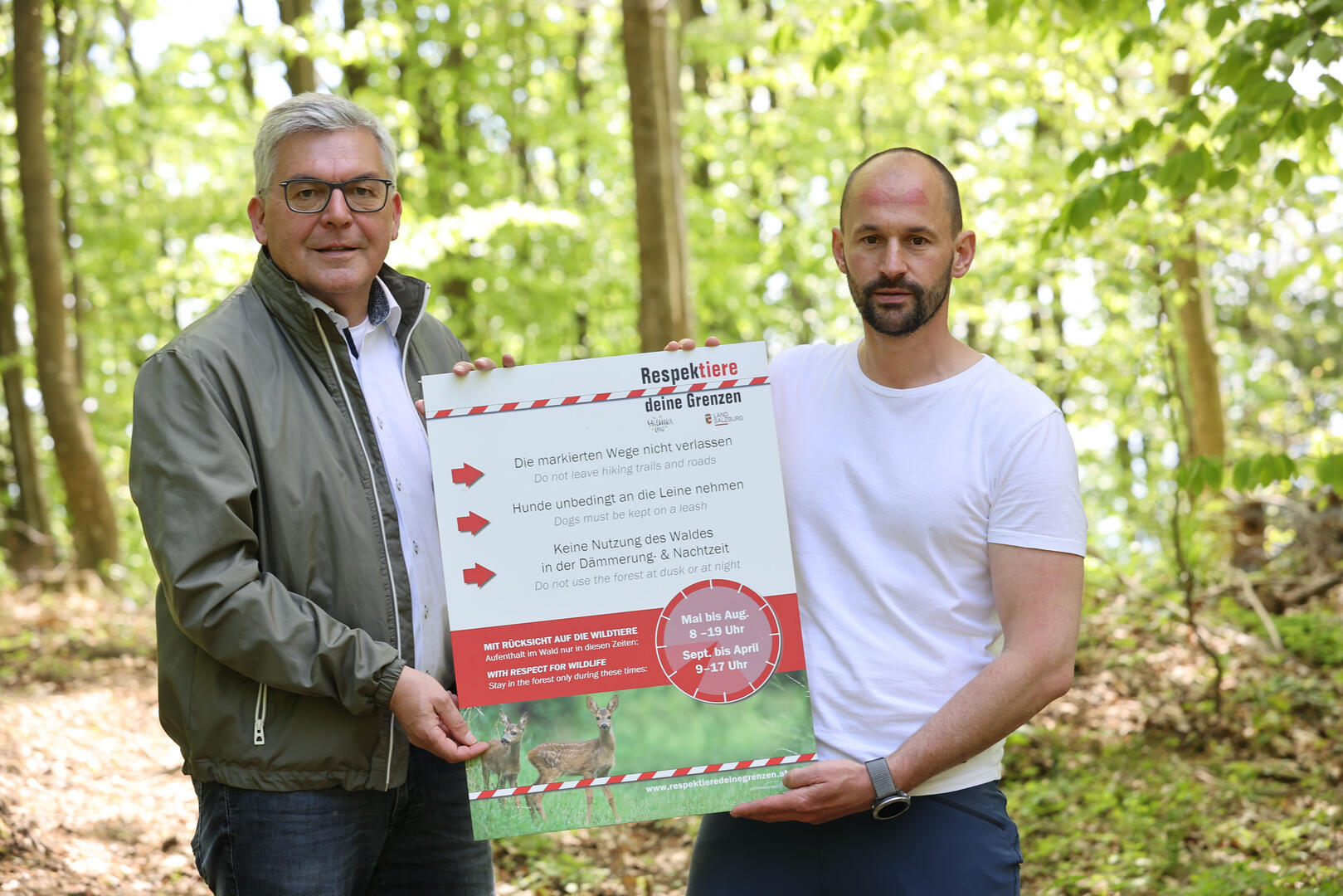
People come to nature to relax. Wildlife does, too. To help people and animals coexist peacefully at Kitzsteinhorn, the “Respect Your Boundaries” initiative raises awareness of sensitive habitats and the wildlife that depends on them.
What serves as a playground for outdoor enthusiasts and a place to unwind for nature lovers is also home to chamois, roe deer, and red deer. When everyone shows consideration, people and wildlife can share the landscape without unnecessarily disturbing its shy inhabitants. Yet while enjoying a favorite outdoor activity, visitors can sometimes find themselves right in the chamois’ breakfast room, the roe deer’s nursery, or the red deer’s retreat. Most of the time, we are completely unaware of it—our endorphins are simply running too high. Christoph Burgstaller, a professional hunter, hunting instructor, and project manager of Salzburg’s “Respect Your Boundaries” initiative, explains:
“If outdoor recreationists understood the full impact of their actions, most of them would behave differently. That is why ‘Respect Your Boundaries’ explains the connections and identifies sensitive areas—without wagging a finger.”
Mealtime for Marmots
The lake glistens below, while snow covers the heights above—a spectacular backdrop for high-alpine hikes, summit excursions, fast-paced mountain bike descents, and leisurely walks in nature. For some wildlife species, however, summer at this elevation is very short, as Christoph Burgstaller explains:
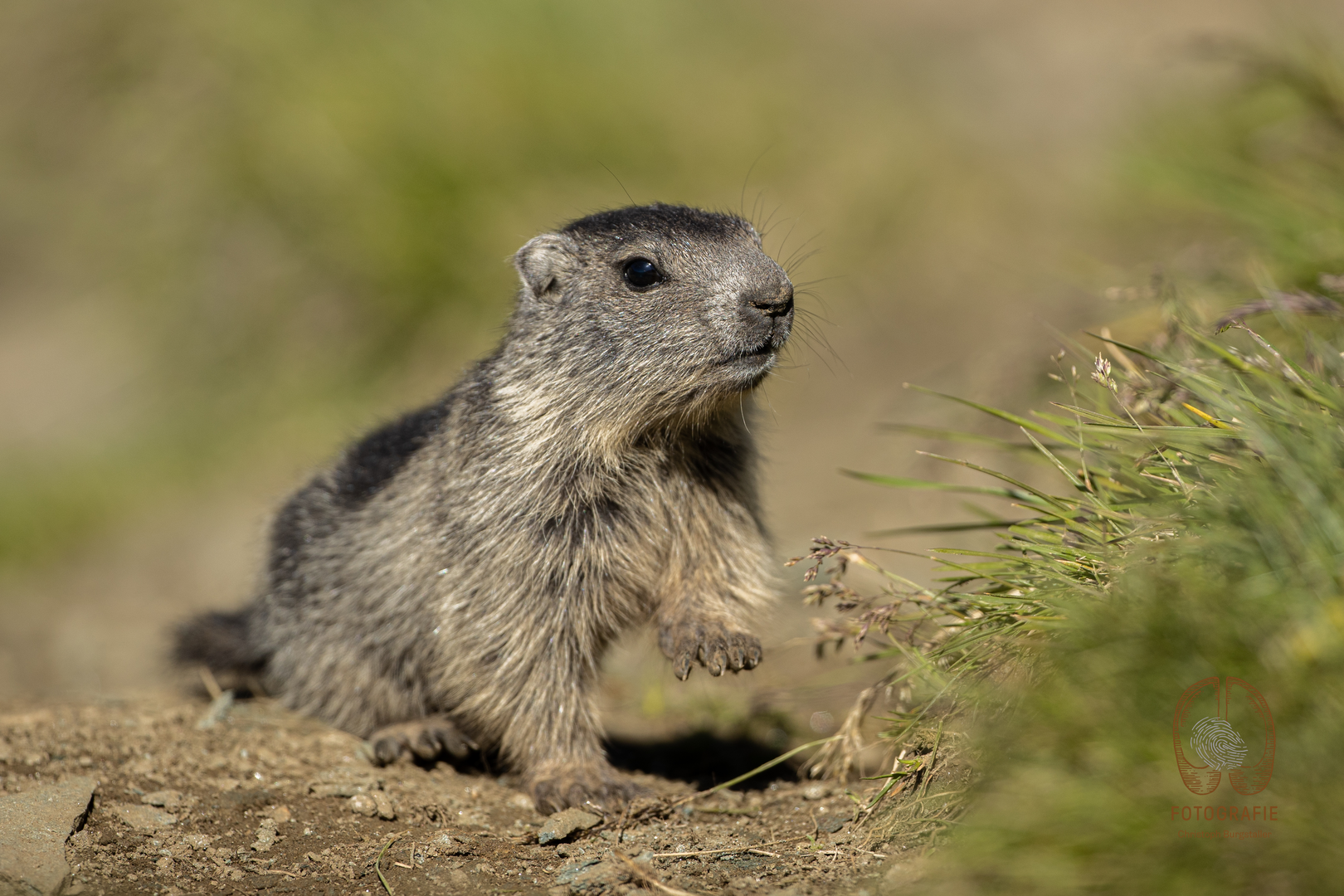
“Marmots, for example, emerge from their burrows in mid-May after a long period of hibernation. They must mate quickly and replenish their depleted fat reserves by feeding on rich alpine grasses. Up to seven marmot pups—known as ‘Affen,’ or ‘monkeys,’ in German hunting terminology—are born after just one month. Another month passes before they leave the burrow for the first time with their mother, known as the ‘Katze,’ or ‘cat.’
“The young marmots have to get off to a flying start. By the time they finally retreat into their burrow in October, they must weigh 50 times their birth weight. Only then can they survive the coming winter.
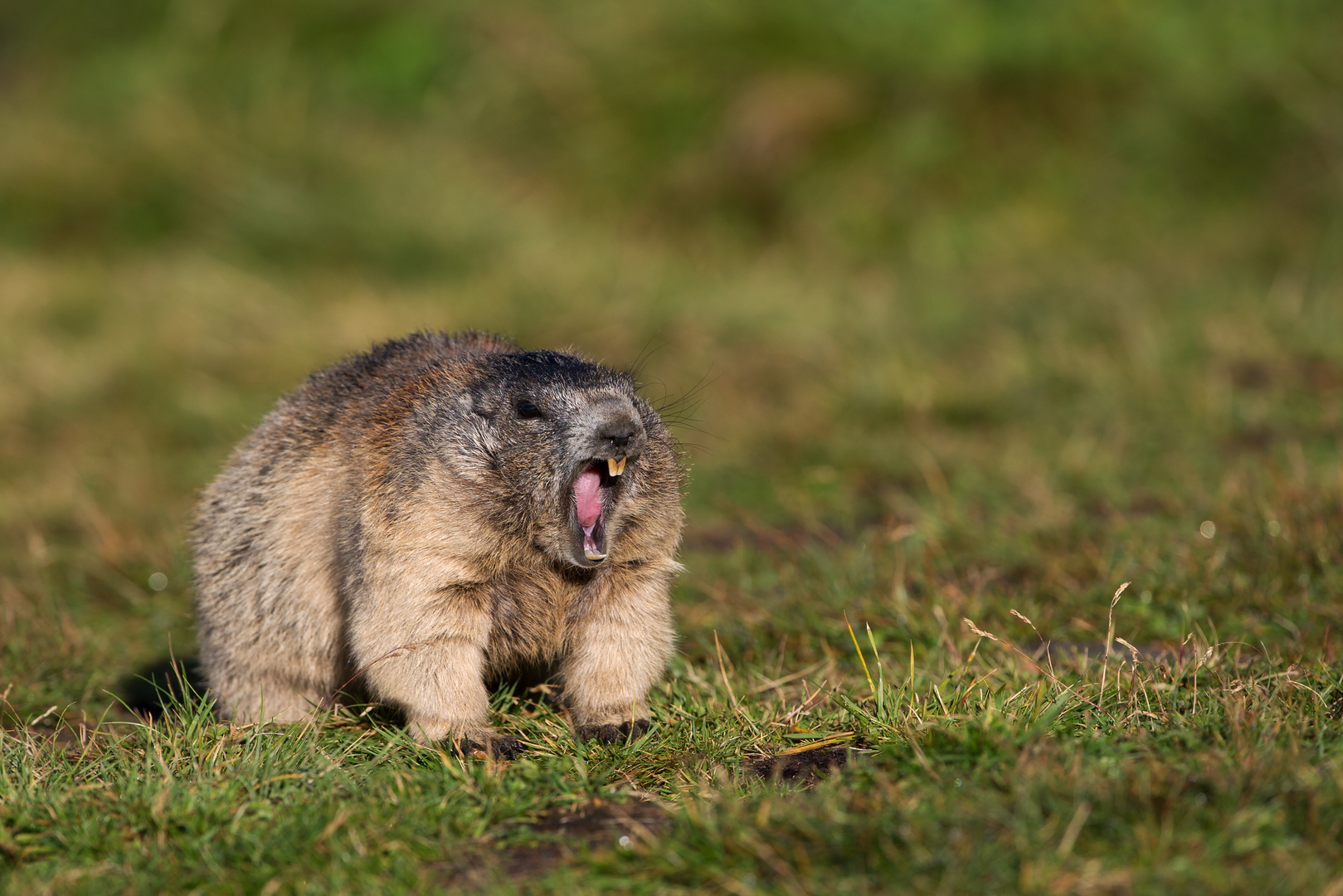
“Always on the lookout for their main predator, the golden eagle, the male marmot—known as the ‘Bär,’ or ‘bear’—stands upright on guard and sounds a piercing warning call. At that signal, the entire Manggei family, as marmots are called in the local dialect, disappears into the burrow until the coast is clear.
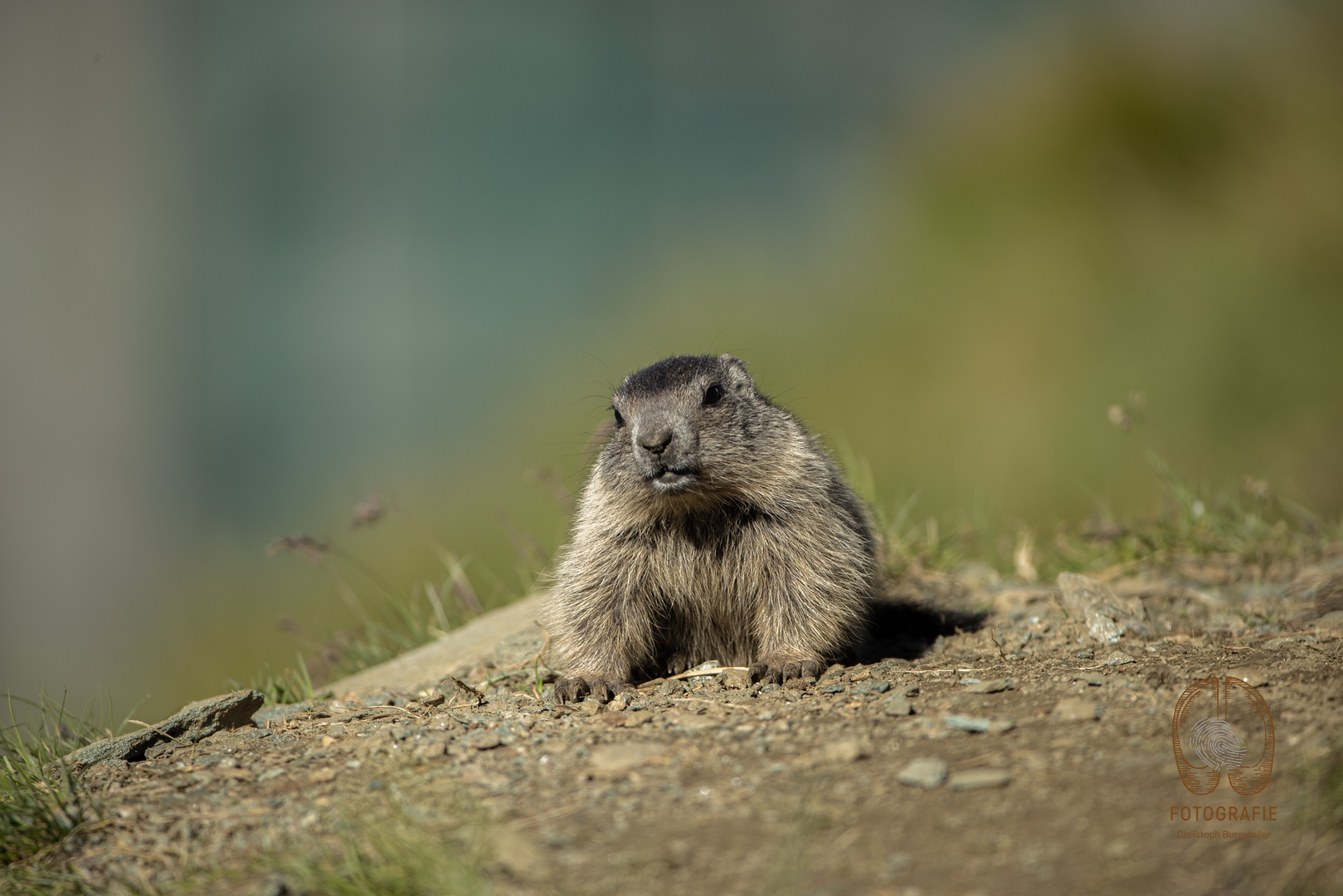
“Their feeding is also interrupted when overly curious, two-legged marmot fans venture too close in pursuit of a photograph. When visitors keep a respectful distance, the marmots become accustomed to their presence and continue enjoying the alpine flowers.”
Knowledge creates understanding. Once we recognize the connections, respecting boundaries usually becomes easy.
Unwelcome Surprise Visits
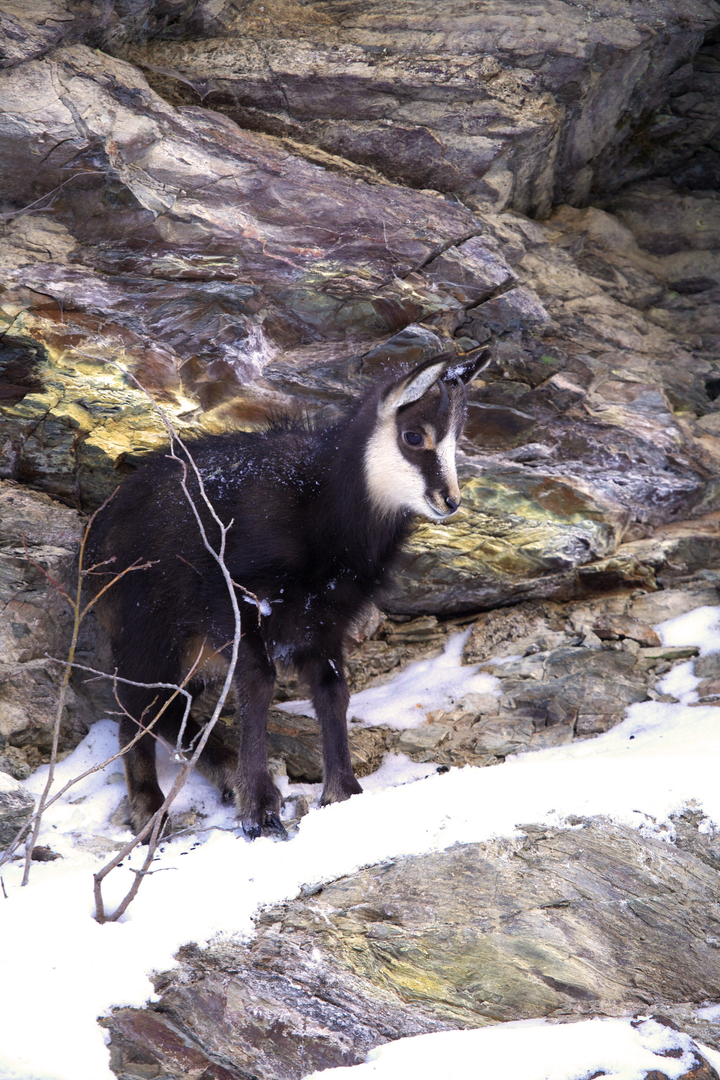
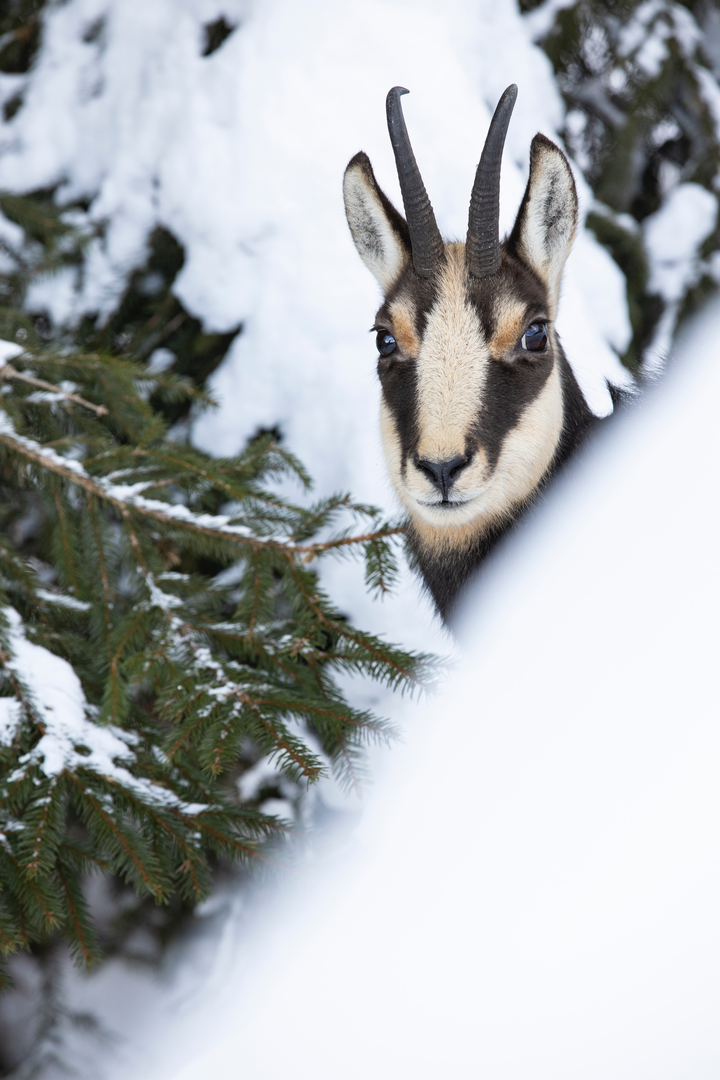
Experience shows that wildlife can adapt well and that predictable routines bring a sense of calm to their habitat. The animals have long been accustomed to hikers who remain on designated trails and freeriders who descend along marked routes. Chamois and other wildlife do not appreciate unexpected visitors, however, as the wildlife expert explains:
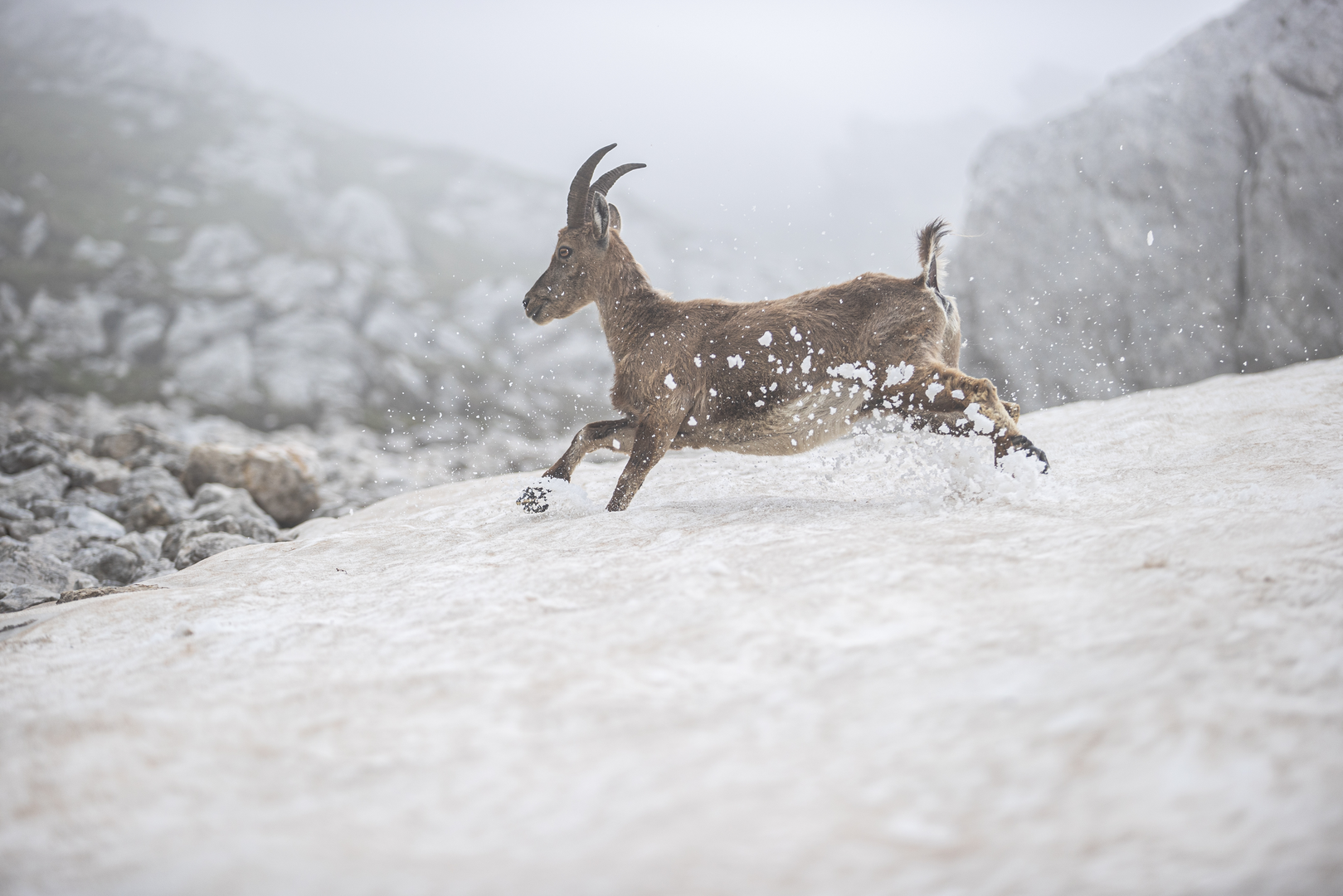
“Trail runners who move quickly and quietly away from marked trails or cross ridgelines often do not realize how severely they can startle grazing chamois. The animals may flee over a wide area and leave their habitat behind. The same applies to freeriders searching for perfect powder lines away from secured and designated routes. To protect sensitive wildlife habitats and marked wildlife refuges, it is important to remain on the designated freeride routes.”
Especially in summer, many cyclists start early to complete the long ascent from Kaprun to Kitzsteinhorn before the midday heat. Those who ride through the forest too early at dawn, however, may disturb wildlife during breakfast, as Christoph Burgstaller explains:
“Wildlife makes greater use of the quiet hours around dawn and dusk to emerge from cover and feed.”
A Threat from Above
Drones, which are popular with amateur photographers and filmmakers alike, can also become unwelcome intruders in wildlife retreats—both in summer and winter. Christoph Burgstaller is a nature photographer himself and understands how thrilling it can be to see a stag or an impressive chamois through the lens. But he also points out the risks:
“Wildlife may react to disturbances from the air at distances of up to 600 meters, showing signs of stress and interrupting feeding. When a drone is flown even closer to a herd in pursuit of better close-ups, the animals may flee abruptly.”
Considering the effect that a small, buzzing drone can have on wildlife, it is easy to imagine the impact of a large, brightly colored paraglider canopy.
“Speed gliding is particularly concerning because pilots fly extremely close to the contours of the terrain and occasionally touch down on their skis.”
Wildlife-Friendly Views
Unlike unexpected disturbances, the 3K K-onnection operates regularly along the same fixed route. With a little luck, visitors can observe chamois through the gondolas’ panoramic windows. The animals sometimes even settle directly beneath the lift line. Wildlife can assess regular, predictable movement patterns more easily than unexpected approaches.
Christoph Burgstaller explains why disturbing wildlife can have especially serious consequences during the winter months:
“Many wild animals enter a kind of standby mode in winter. They slow down their bodily functions to conserve as much energy as possible and make their reserves last through the cold season. A sudden escape response causes the entire system to power up immediately, demanding peak physical performance in deep snow. That consumes energy the animals need for survival.
“Disturbances can also drive red deer from their established winter habitat and into sensitive forest areas, including protective forests. If the animals feed on tree bark there, they can damage the forest and weaken its vital role in protecting roads and communities below.”
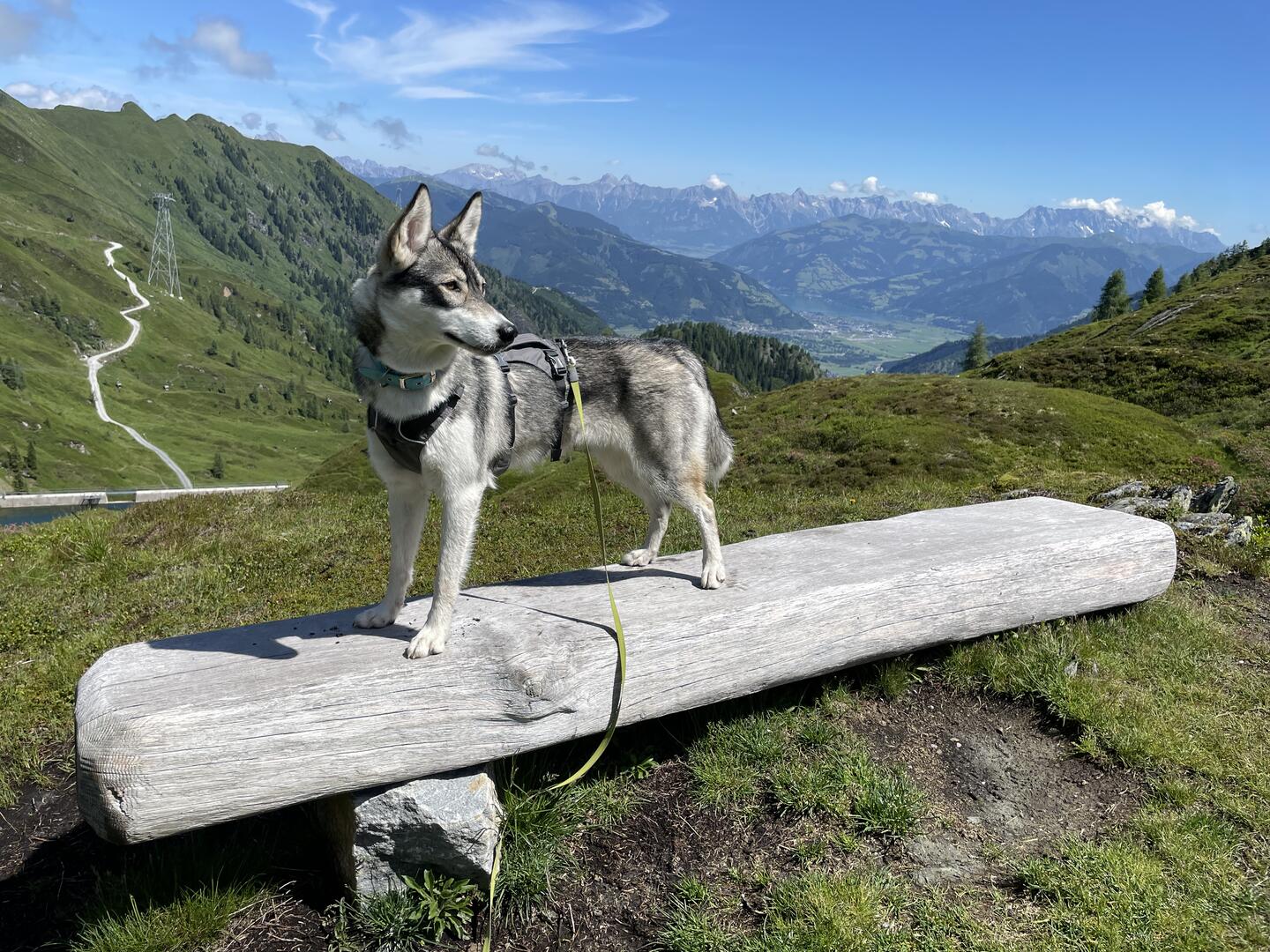
Keep Dogs Leashed
At Kitzsteinhorn, please keep dogs leashed, pick up after them, and dispose of their waste in the designated bins at the stations.
“Off-leash dogs pose a particular threat to wildlife during the sensitive birthing season. And it is not only dog waste—every piece of trash should be carried back down to the valley,” says the experienced professional hunter.
“Perhaps this will spark an interest in wildlife and its habitat. Visitors can learn more at the National Park Center in Mittersill or during a guided hike with national park rangers at Kitzsteinhorn. Knowledge creates understanding. Once we recognize the connections, respecting boundaries usually becomes easy.”
Header image © Land Salzburg / Melanie Hutter