

Ski Touring at Kitzsteinhorn and Maiskogel
Many athletic ski tourers seek a close connection with nature and the intense sense of accomplishment that comes from reaching the top without the comfort of a lift. Of course, modern cable cars would make the trip up much faster and easier—but that is not the point. Ski tourers want to experience nature step by step and earn the descent through their own effort. There is nothing wrong with slowing down and taking in the scenery along the way, as Verena Dreiseitl explains. A few years ago, Kitzsteinhorn’s designated ski touring routes gave her a safe introduction to the sport.
Taking It Slow the First Time
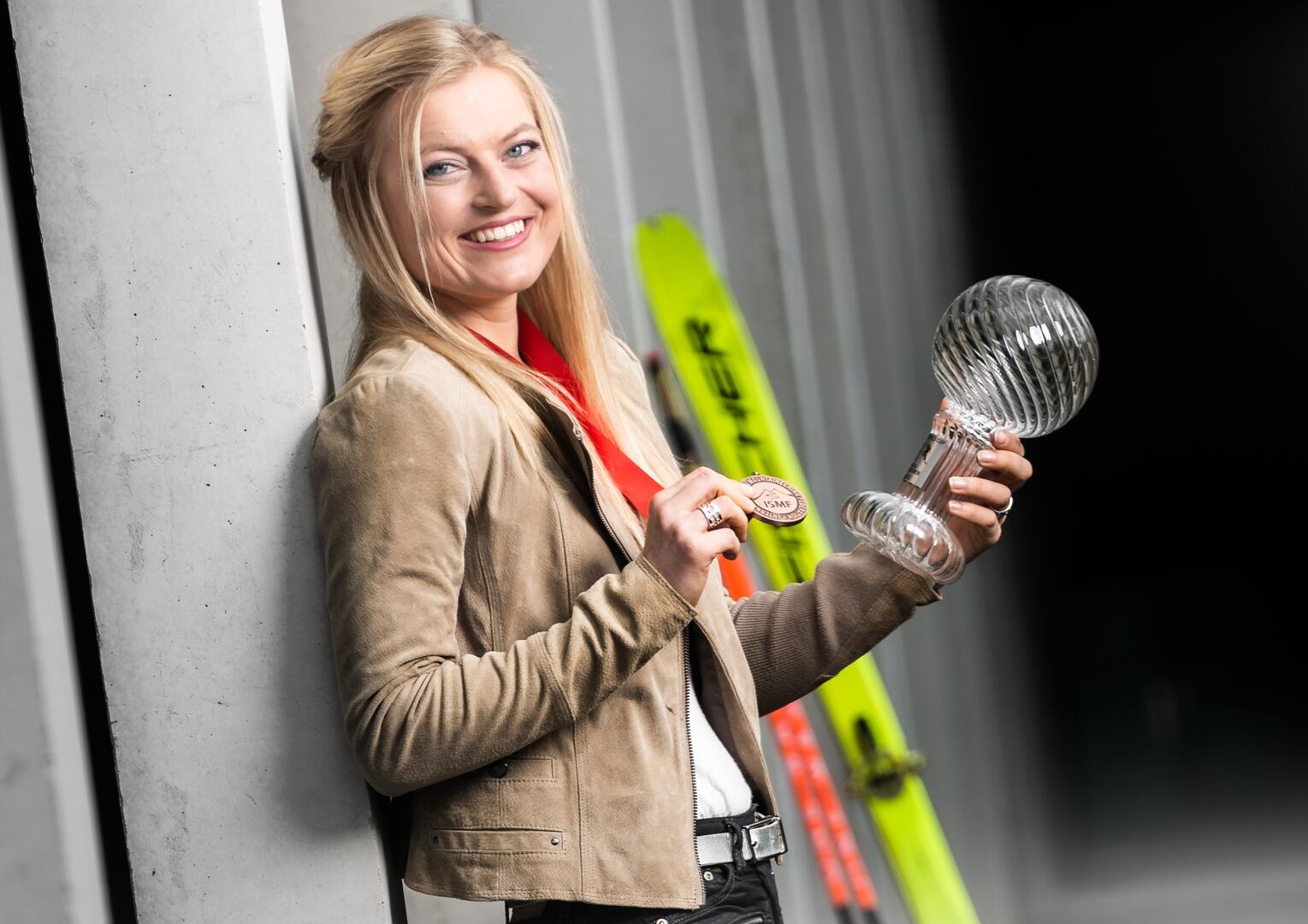
The health manager and nutritionist from Thumersbach now lives in Lower Austria and fondly remembers her first ski tour:
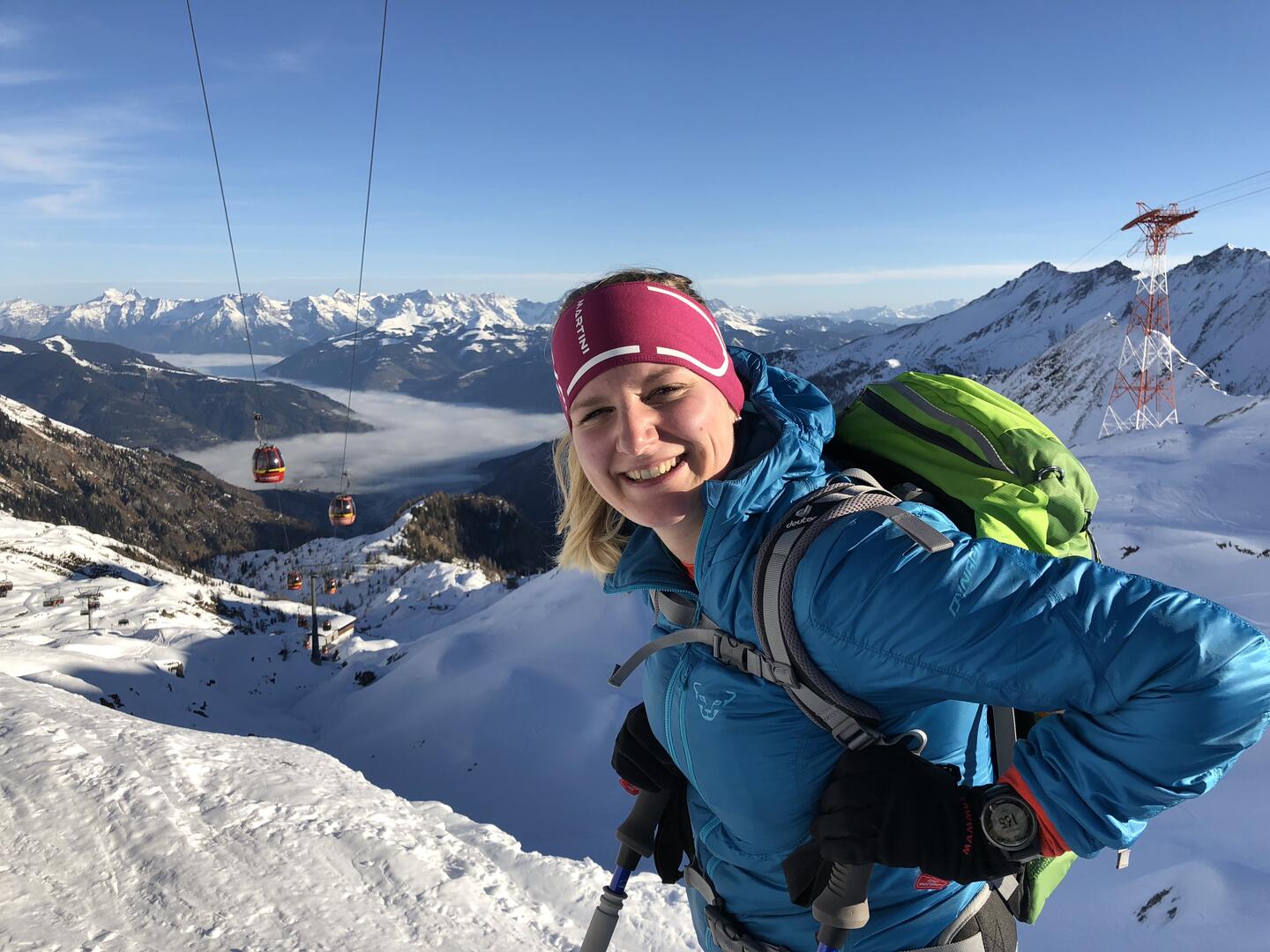
“Down in the valley, the landscape was still glowing with fall colors, but higher up, the snow conditions were already perfect. I was a good skier, but until that day, I had always preferred taking the cable cars to the top. A friend took me along the ‘Schneekönigin’ route, which was ideal for getting familiar with the equipment and practicing climbing techniques.”
The Schneekönigin route starts at Langwiedboden at an elevation of 1,976 meters. At the information point, ski tourers can learn about the route and potential alpine hazards. Verena Dreiseitl looks back:
“Following the marked ascent along the edge of the slope, I slowly began to trust the grip of the climbing skins. I concentrated on gliding the skis forward efficiently and soon settled into a calm rhythm without even thinking about it. That left plenty of time to take in the impressive winter panorama.
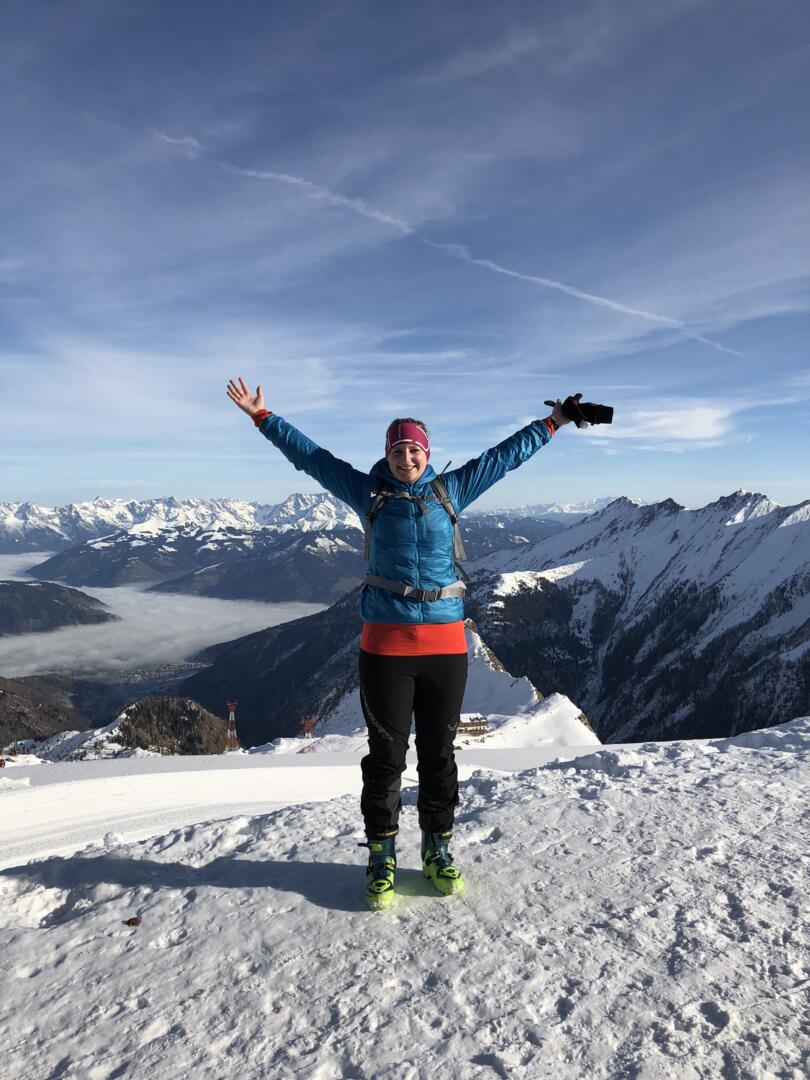
“The Zell Basin was still blanketed in dense fog, while up here the sun was already shining on our faces. I was much more aware of my surroundings than I would have been during a lift ride, and I was surprised to discover a new, slower side of Kitzsteinhorn—the scent of sun-warmed rocks, the sound of skis moving across the crisp snow in the silence of the ascent, and an eagle circling high above us before disappearing into the untouched wilderness of Hohe Tauern National Park.
“I was overcome by a sense of peace and relaxation. Alpine skiing has always been about speed and excitement for me, but in the slow ascent under my own power, I discovered an entirely new kind of enjoyment.”
The ascent follows a marked route along the edge of the slope. Warning signs, closures, and alpine hazards must still be observed, and both the ascent and descent are undertaken at your own risk.
“For someone new to ski touring, climbing along the edge of the slope is perfect. I had no experience in open terrain, so I could focus entirely on my technique and the ascent at my own pace while still chatting comfortably along the way.
“I remember lots of ski mountaineers greeting us warmly before racing past at full speed. That boosted our motivation, and before long, we had climbed the Schneekönigin’s 474 vertical meters using nothing but muscle power.
“As a nutritionist, I place great importance on seasonal, regional food, so I was especially excited about the Gröstl I had earned at Restaurant Gletschermühle. Proud, full, and overflowing with happiness, I topped off my first ski tour with a descent across the wide-open slopes.
“Since then, I have returned to the Schneekönigin more than once. The next item on my bucket list is my first ski tour in open terrain on the Tristkogel, which I hope to tackle with a mountain guide as part of Ski Touring Thursday.”
Alpine skiing has always been about speed and excitement for me, but in the slow ascent under my own power, I discovered an entirely new kind of enjoyment.
Picking Up the Pace—Unplugged
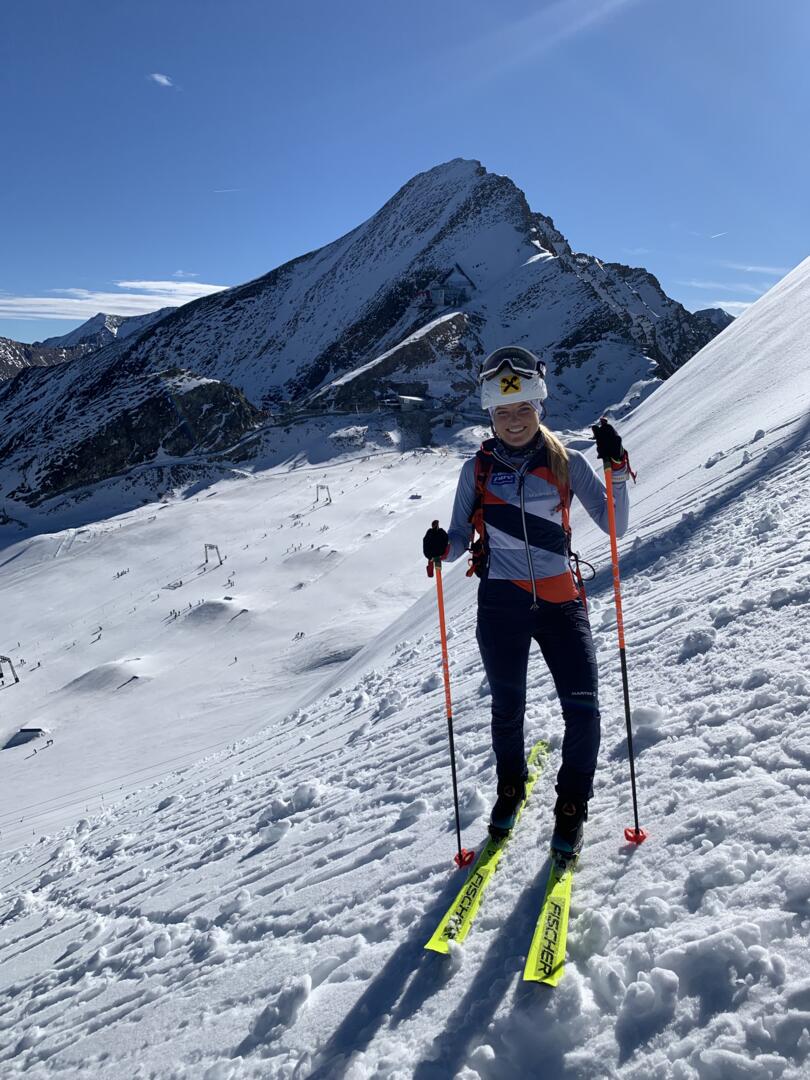
Alongside the recreational ski tourers gaining their first experience or logging vertical meters for future tours in open terrain, the two routes also attract racers. These ski mountaineers push hard on the climb and use the ski touring routes as their preferred fall training grounds.
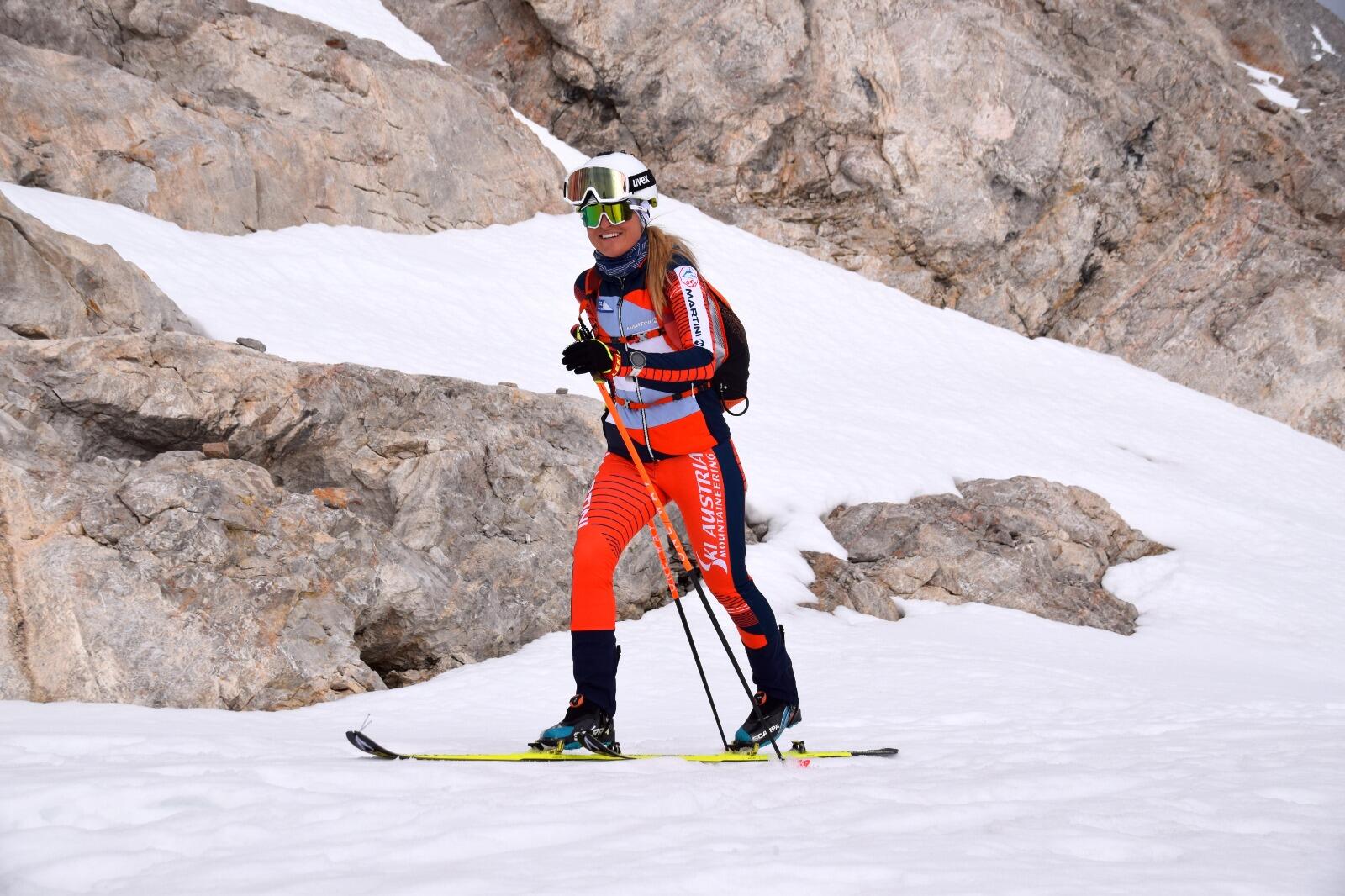
One of Austria’s top ski mountaineering athletes is Sarah Dreier from Neukirchen. The trained educator left teaching behind to pursue a professional career in ski mountaineering. She laughs as she recalls how it all began:
“I started out on alpine skis and was also a passionate runner. I went on my first ski tour at age 12, and by 15, I had caught the racing bug.”
When Sarah Dreier reached the top of the podium for the first time at age 18, her career quickly gained momentum.
Today, the Austrian national team athlete ranks among the world’s best in the Vertical discipline. She explains:
“A Vertical Race is all about the ascent, and by the time the first races take place in November, you need to have already logged plenty of vertical meters. That is why I keep returning to Kitzsteinhorn for training sessions as soon as the first snow falls.
“For training purposes, I climb all the way from the valley on foot without using a cable car, carrying my skis and boots on my backpack until I reach the snow line. In fall, it can feel wonderfully mystical as you emerge from the fog and see the colorful foliage glowing in the sunshine, then continue across quiet alpine pastures to Langwiedboden.
“From there, I clip into my skis and climb another 899 vertical meters at a running pace along the ‘Eisbrecher’ route. Sometimes, when conditions allow, I even make a detour to add a summit ascent of Kitzsteinhorn.
“After descending to the Alpincenter, I like to stop by the ski touring hangout at the Skyline Bar to say hello and enjoy a little Hoagascht—a relaxed chat. Recreational athletes, walkers, and elite competitors all mix together there, and everyone has every reason to be proud of what they have achieved that day.”
For the successful Pinzgau athlete, training and enjoyment go hand in hand:
“Even with a structured training plan, I can always enjoy the climbs. To me, it is an incredible ‘unplugged’ feeling. The ascent route is marked and maintained, so I can switch off and enjoy the silence.
“We ski mountaineering racers always feel very welcome at Kitzsteinhorn. When I am out with friends and the training pressure is not too high, I never miss the legendary spinach dumplings at Restaurant Gletschermühle, served with views of the surrounding 3,000-meter peaks, before floating comfortably back down to the valley by cable car.”
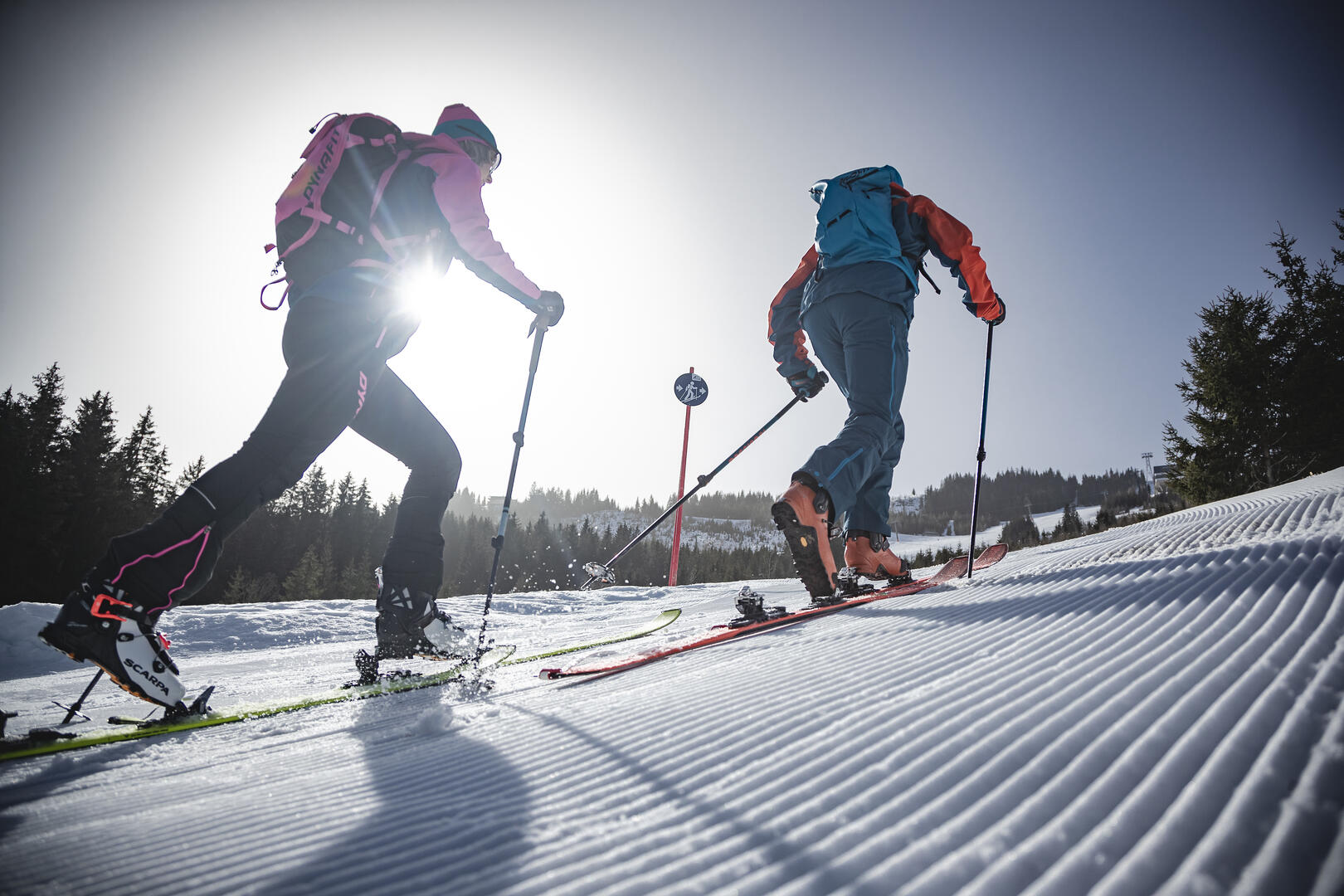
Maiskogel Route
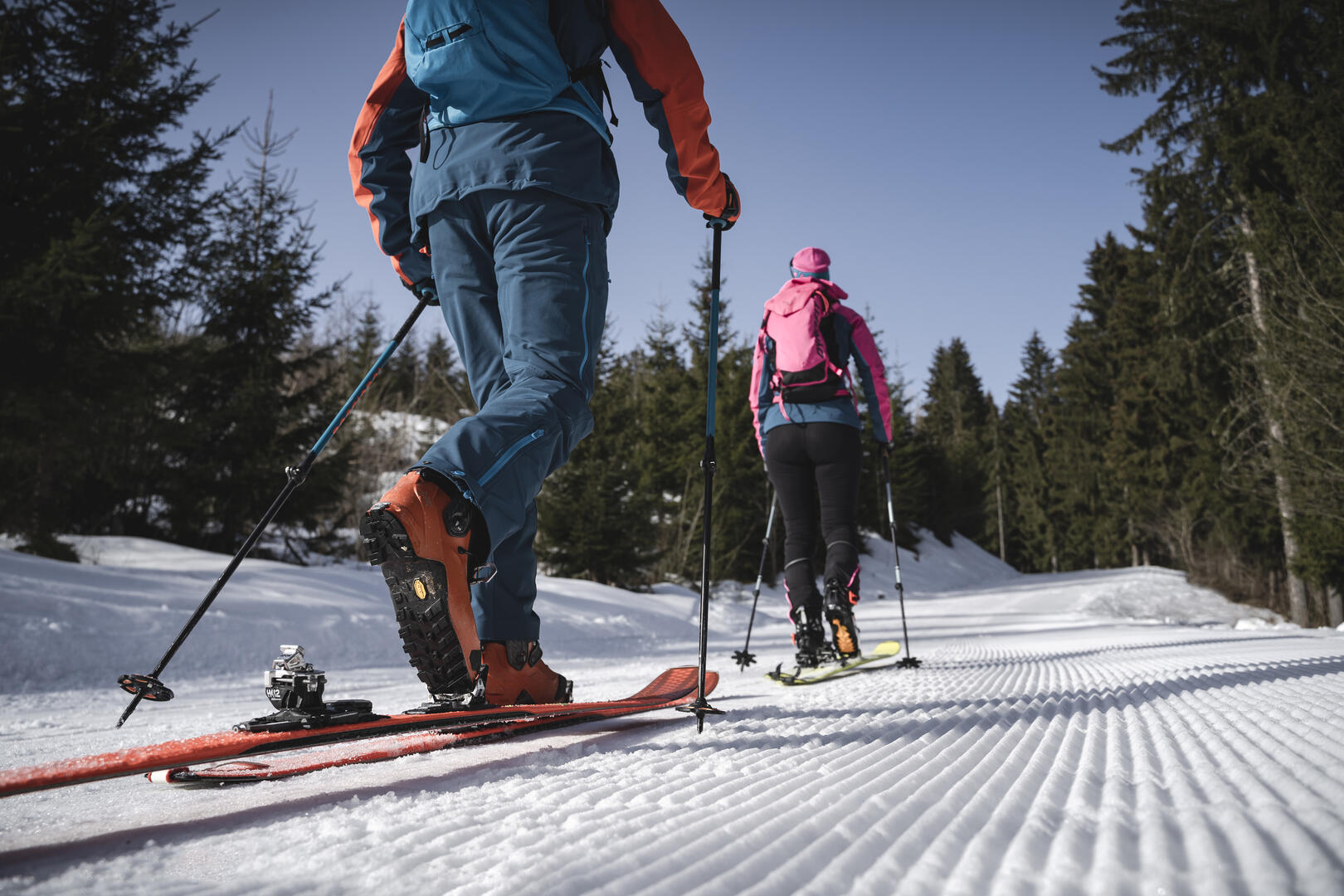
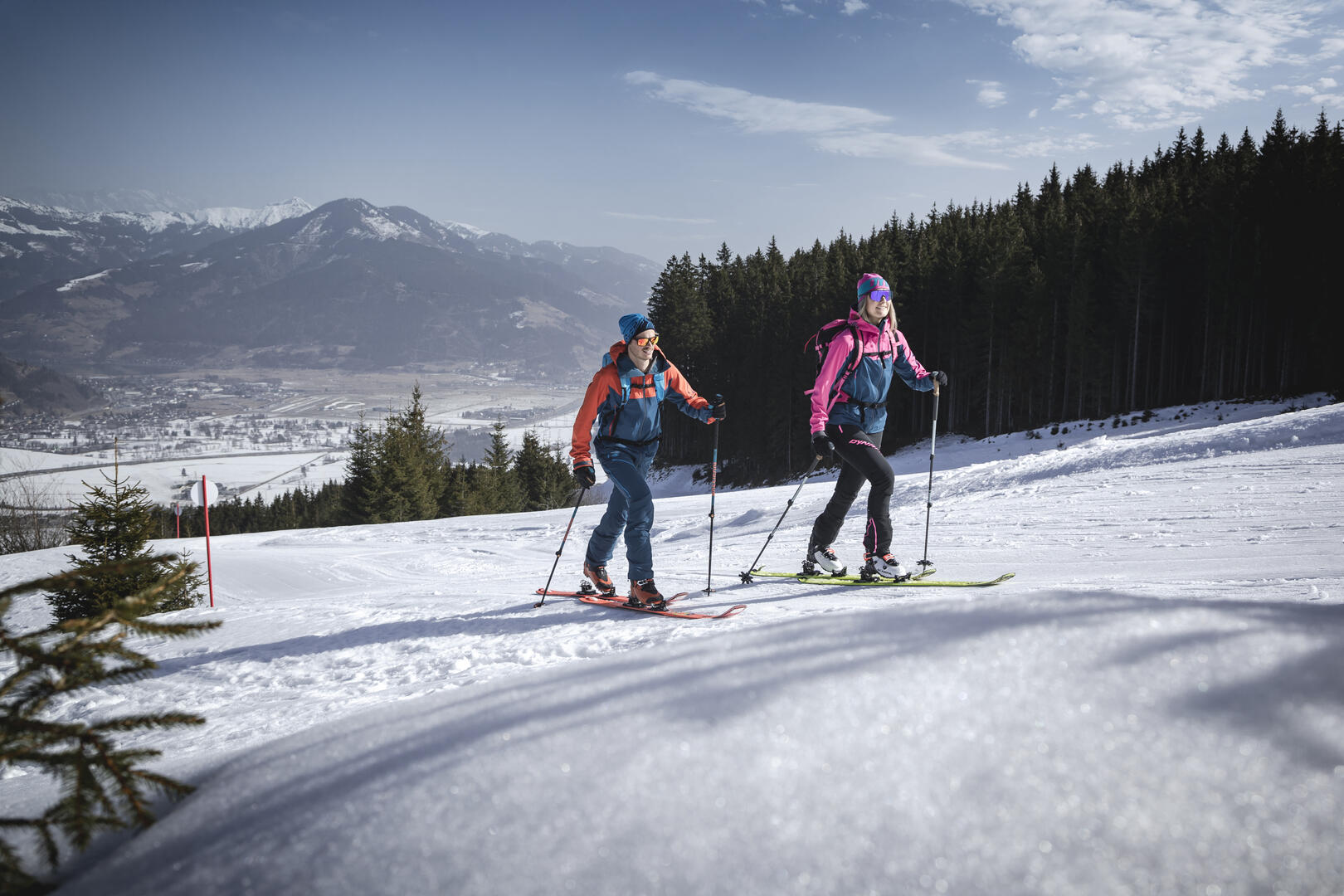
A marked ascent route on the Maiskogel offers an early start to the ski touring season. It leads from the parking lot at the MK Maiskogelbahn to the Almbahn upper station at 1,733 meters.
Most of the 965-meter ascent runs away from the ski slopes and rewards ski tourers with spectacular views of the Salzach Valley and the Zell Basin.
A safe descent along the Maiskogel slopes is possible between 8:00 a.m. and 6:00 p.m. On Wednesdays, the slopes remain open to ski tourers until 8:00 p.m.