
Grooming Technology at Kitzsteinhorn
How do heavily used slopes become perfectly groomed runs again overnight? Transforming the tracks left by countless turns across wide glacier slopes into flawless corduroy does not take magic. It takes state-of-the-art technology, a delicate touch, and an instinctive feel for the snow. With the PistenBully 600 E+, Kitzsteinhorn relies on an efficient diesel-electric drive system, precise snow management, and exceptionally quiet operation.
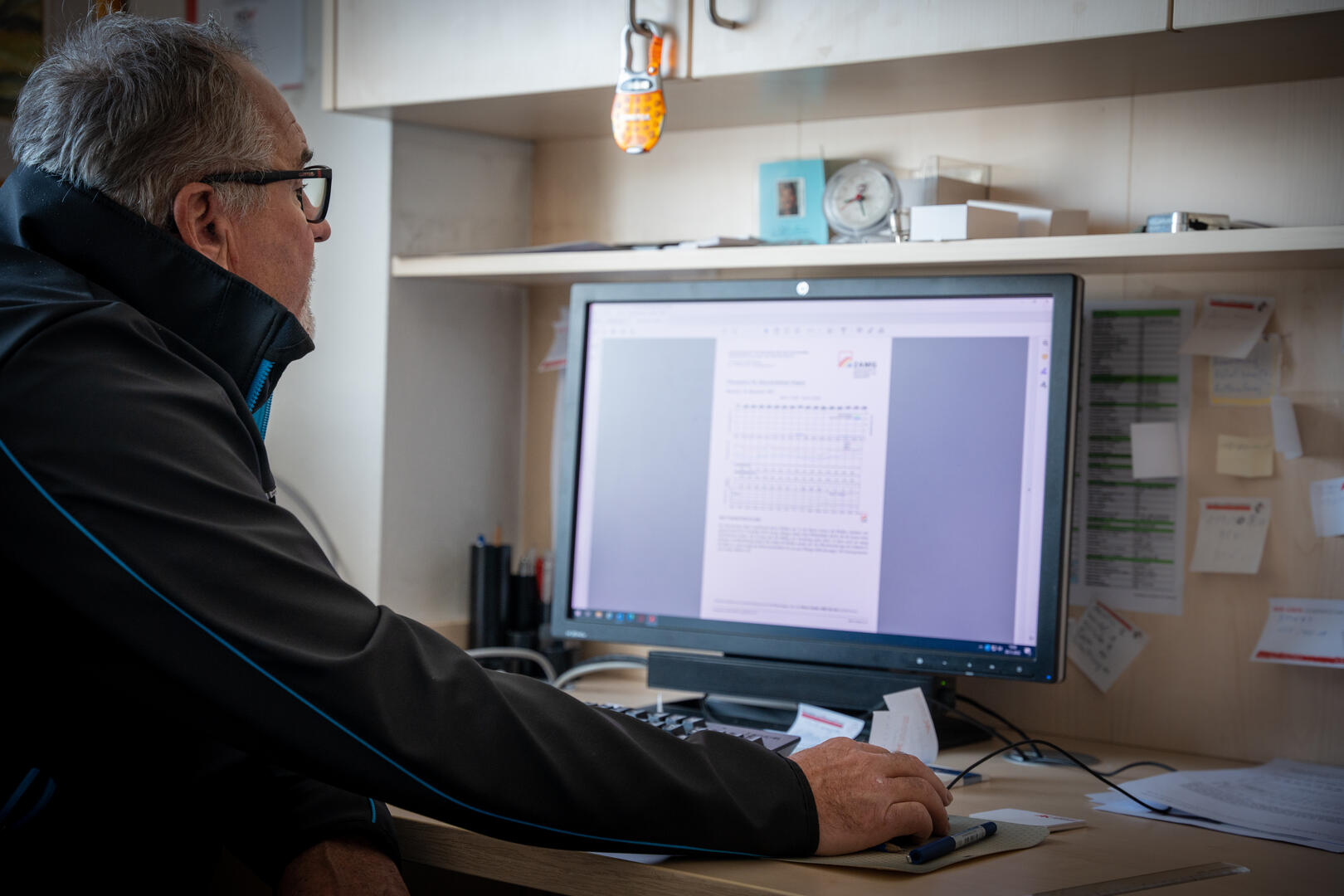
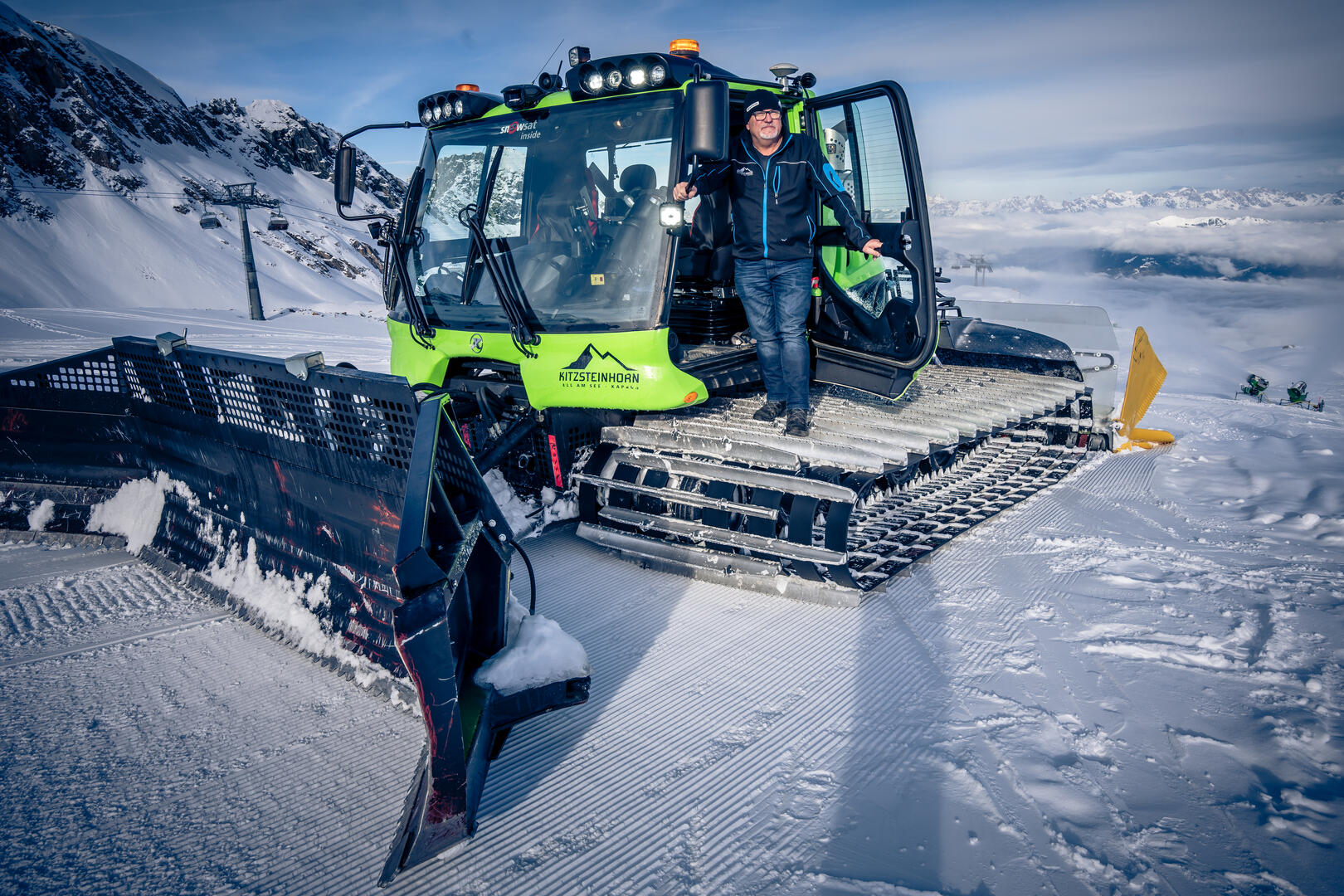
Klaus Wörgötter is Deputy Head of Snow Grooming at Kitzsteinhorn. Night after night, he and his team head out to restore the slopes to perfect condition. The Gletscherbahnen Kaprun AG fleet also includes Kässbohrer’s PistenBully 600 E+, a pioneering machine for professional, resource-efficient snow grooming. The manufacturer describes it as the cleanest and quietest snow groomer in its class.
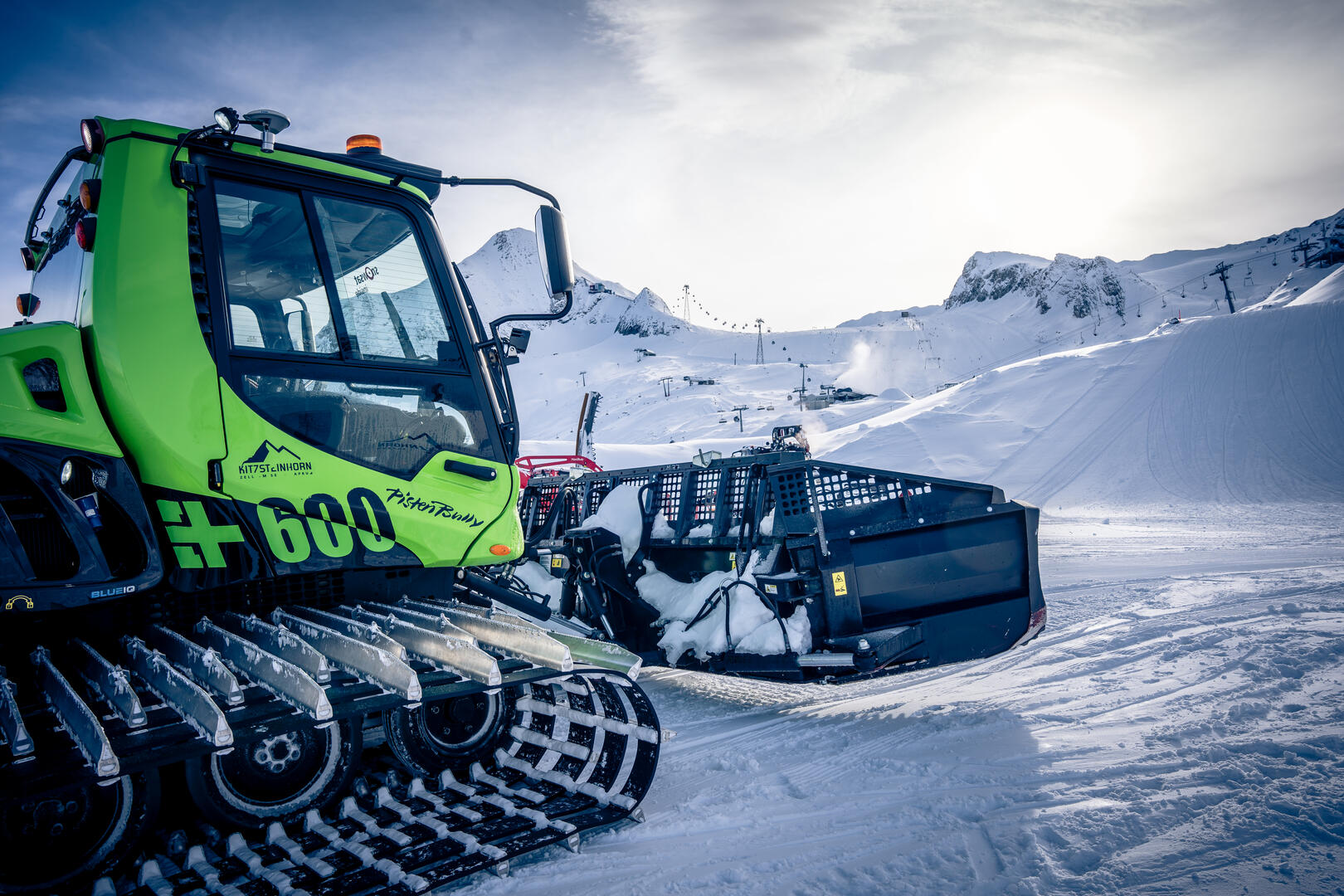
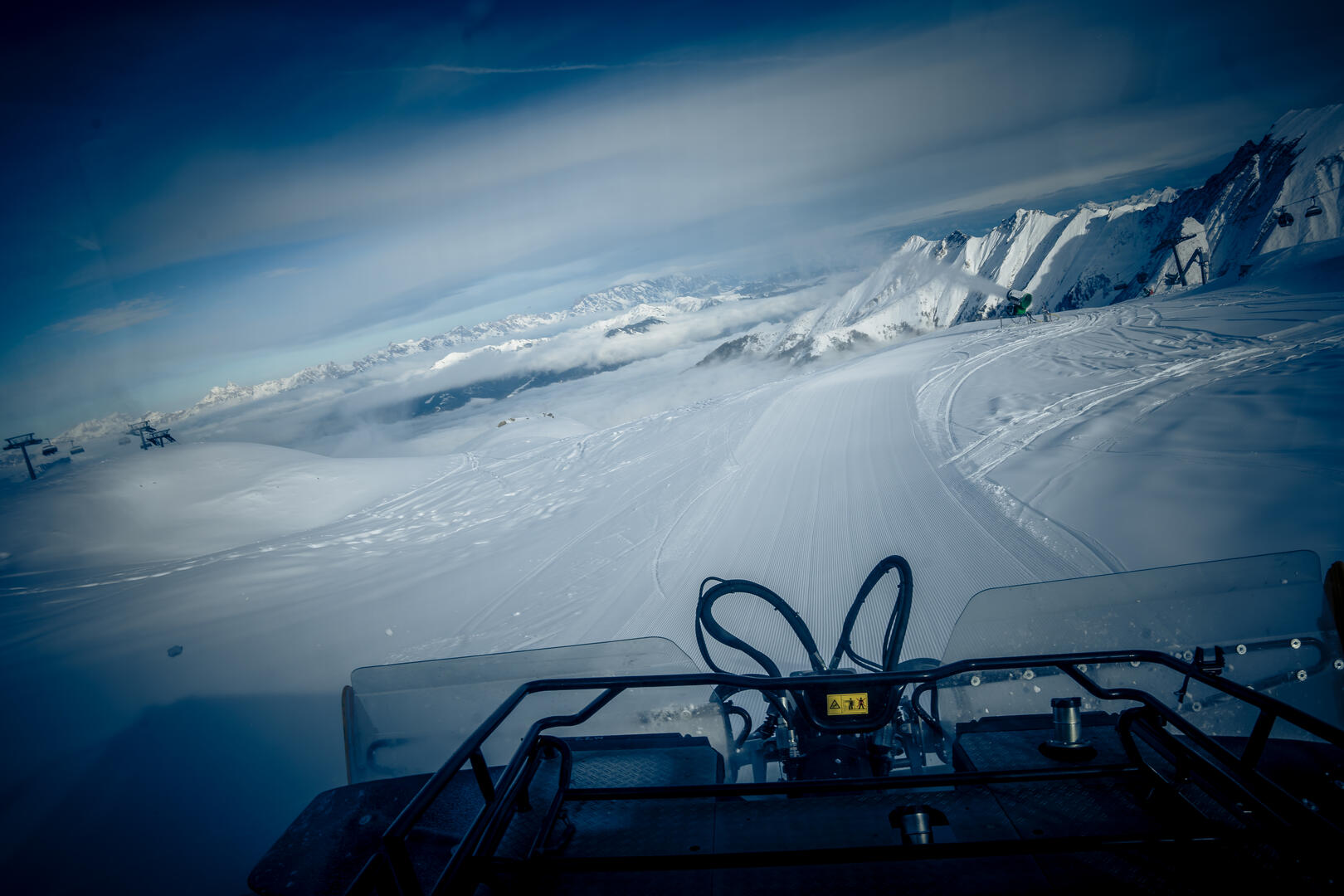
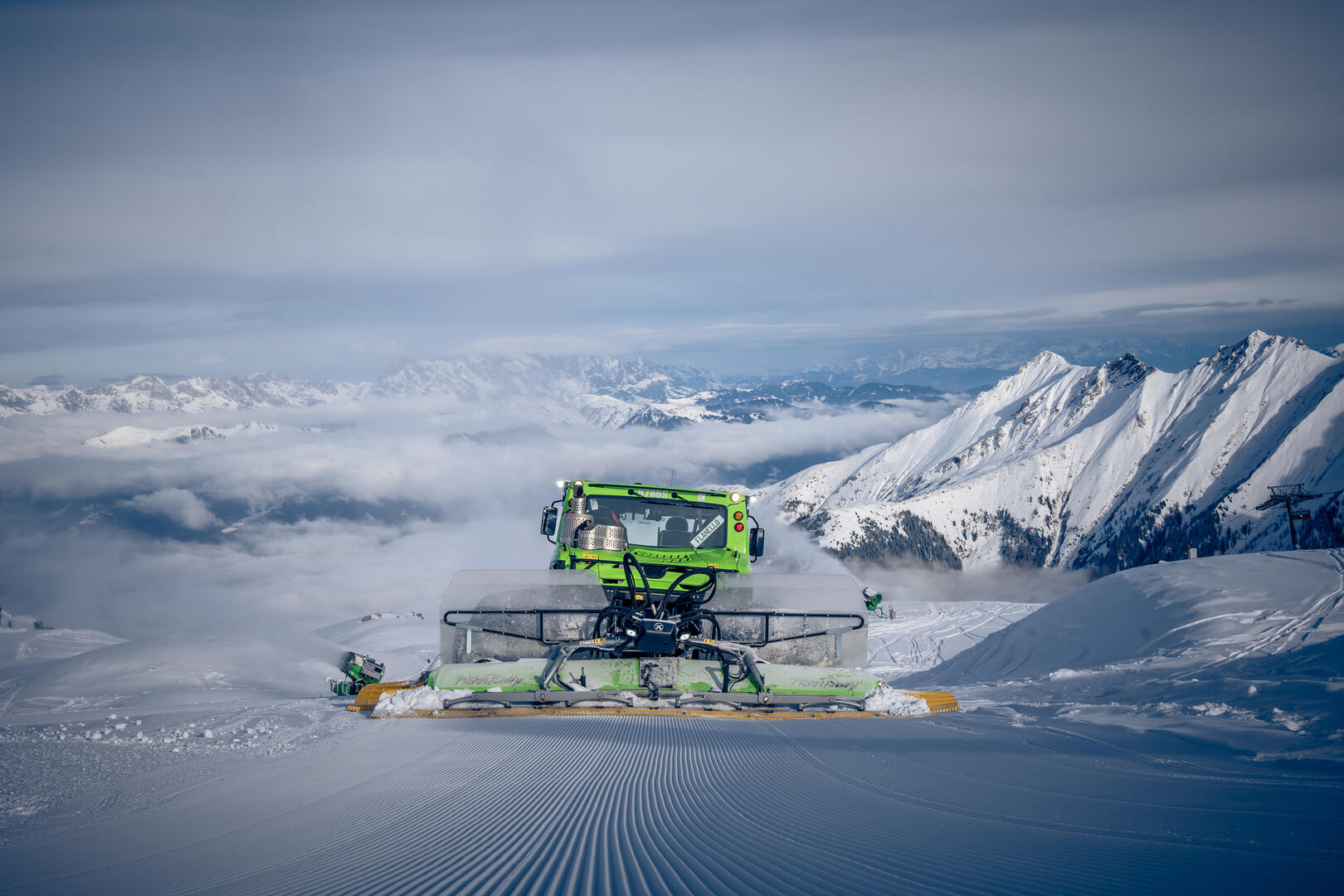
With its warning lights flashing, the PistenBully 600 E+ emerges from the garage at the Alpincenter. Klaus Wörgötter proudly presents the “Greane”—Austrian dialect for “the green one”—as the grooming team affectionately calls it because of its vivid green color.
Twenty Percent Better
“First things first: The E in the name does not mean that the snow groomer is fully electric,” the grooming expert explains. It stands for its diesel-electric drive system. A diesel engine powers generators, while two electric motors drive the vehicle. When traveling downhill, the electric motors can operate as generators and recover energy. Intelligent energy management keeps the diesel engine operating within its optimal rpm range whenever possible, reducing fuel consumption.
According to the manufacturer, the PistenBully 600 E+ delivers plenty of power on the slopes while consuming up to 20% less fuel than the PistenBully 600 Polar. This also reduces CO₂ emissions by 20%, while the vehicle is 20% quieter.
“The PistenBully also performs well from an economic perspective, thanks to its low operating costs and low-maintenance drive system,” Klaus Wörgötter says enthusiastically.
Like all diesel-powered snow groomers and heavy machinery operated by Gletscherbahnen Kaprun AG, the PistenBully 600 E+ runs on HVO100. Compared with fossil diesel, this fuel produces around 90% fewer CO₂ emissions. By switching its entire fleet to HVO100, Gletscherbahnen Kaprun AG saves approximately 1,300 metric tons of CO₂ each year.
GPS-Based Slope and Fleet Management
As a long-standing member of Kitzsteinhorn’s snow grooming team, Klaus Wörgötter knows every detail of the slopes. Yet the exposed location of the glacier ski area means that grooming at night is not always easy—even for experienced professionals.
He explains:
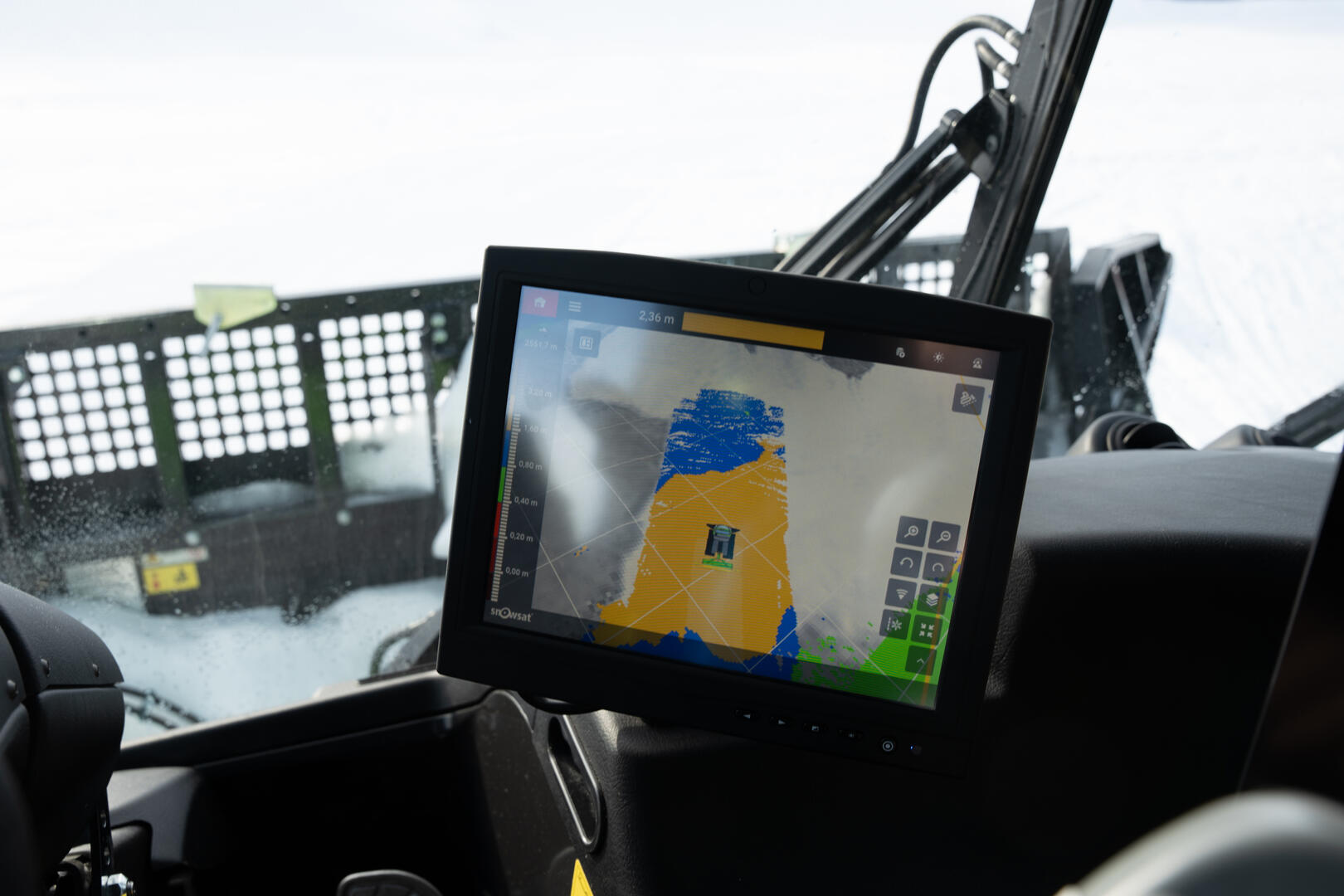
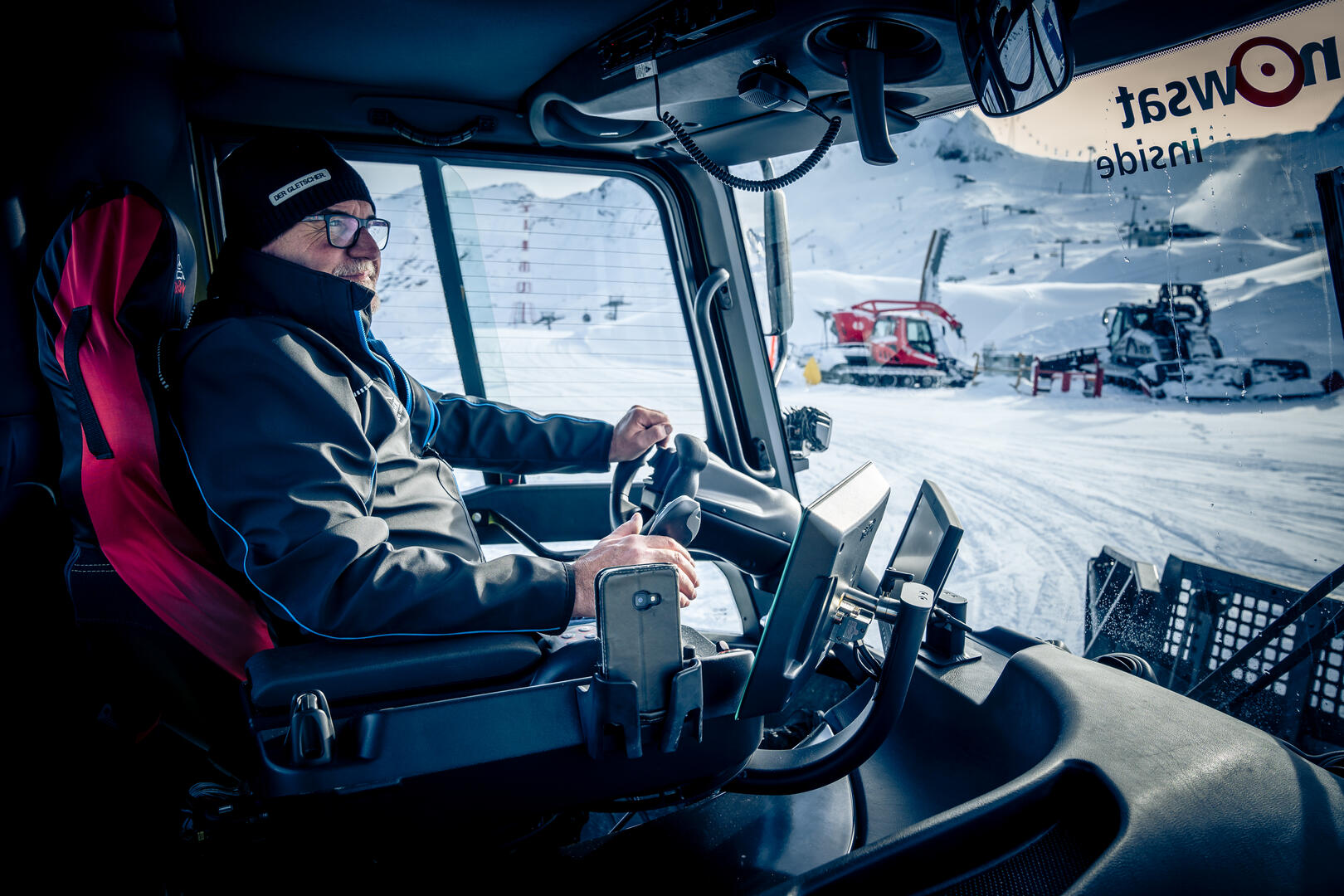
“In the middle of a snowstorm, when a sudden whiteout makes every contour of the terrain disappear, it is easy to lose your bearings up here. With SNOWsat, our GPS-based slope management system, the operator can see the edge of the slope and the tracks that have already been groomed on the cockpit monitor. That makes it possible to stay oriented even in challenging weather conditions.”
SNOWsat also enables highly targeted grooming. Its precise snow-depth measurement shows where there is enough snow, where reserves are available, and where additional snow is needed.
“This also conserves snowmaking resources because it allows us to determine exactly where snow is required,” Klaus Wörgötter explains.
In the end, what matters is the result and the incredible feeling we create for skiers. When conditions are difficult, spending another two hours in the cockpit is a small price to pay.
The Nightly Corduroy Mission
And snow is the key word, because everything in slope maintenance revolves around it. Not all types of snow can be groomed in the same way, as Klaus Wörgötter knows:
“Fresh snow has to be handled differently from machine-made snow or wet spring snow. Before starting my shift, the first thing I do is check the detailed weather forecast. When heavy snowfall is expected, we initially head out after the lifts close to remove the day’s tracks from the slopes. Then we let it snow and do not send the groomers out again until the early morning, so the fresh snow can be packed down in time for the first skiers.”
After countless nights on the mountain, Klaus Wörgötter knows exactly what it takes to create the perfect slope. He laughs:
“Snow grooming is highly complex. It takes a delicate touch, and you have to take your time. In the end, what matters is the result and the incredible feeling we create for skiers. When conditions are difficult, spending another two hours in the cockpit is a small price to pay.”
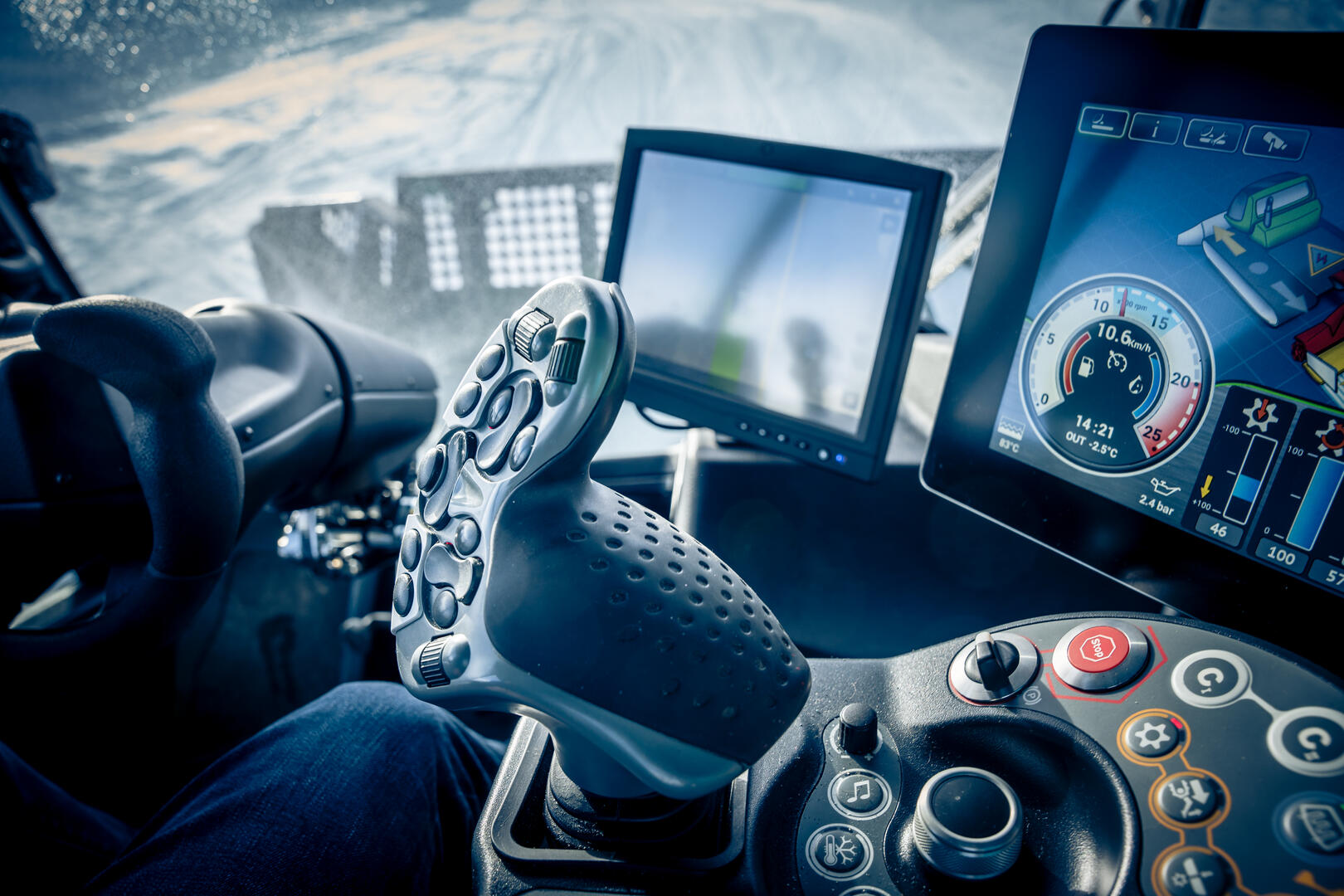
The cab of the modern snow groomer really does resemble an aircraft cockpit. A comfortable air-suspension seat, heated windows and windshield wipers, and intuitive control of the blade and tiller via monitors, a joystick, and a touchscreen all make the nighttime work easier.
“That makes the night shift twice as enjoyable. And knowing that the PistenBully 600 E+ helps reduce CO₂ emissions through efficient technology and HVO100 is a major added benefit.”