

Red Deer Management in the Kaprun Valley
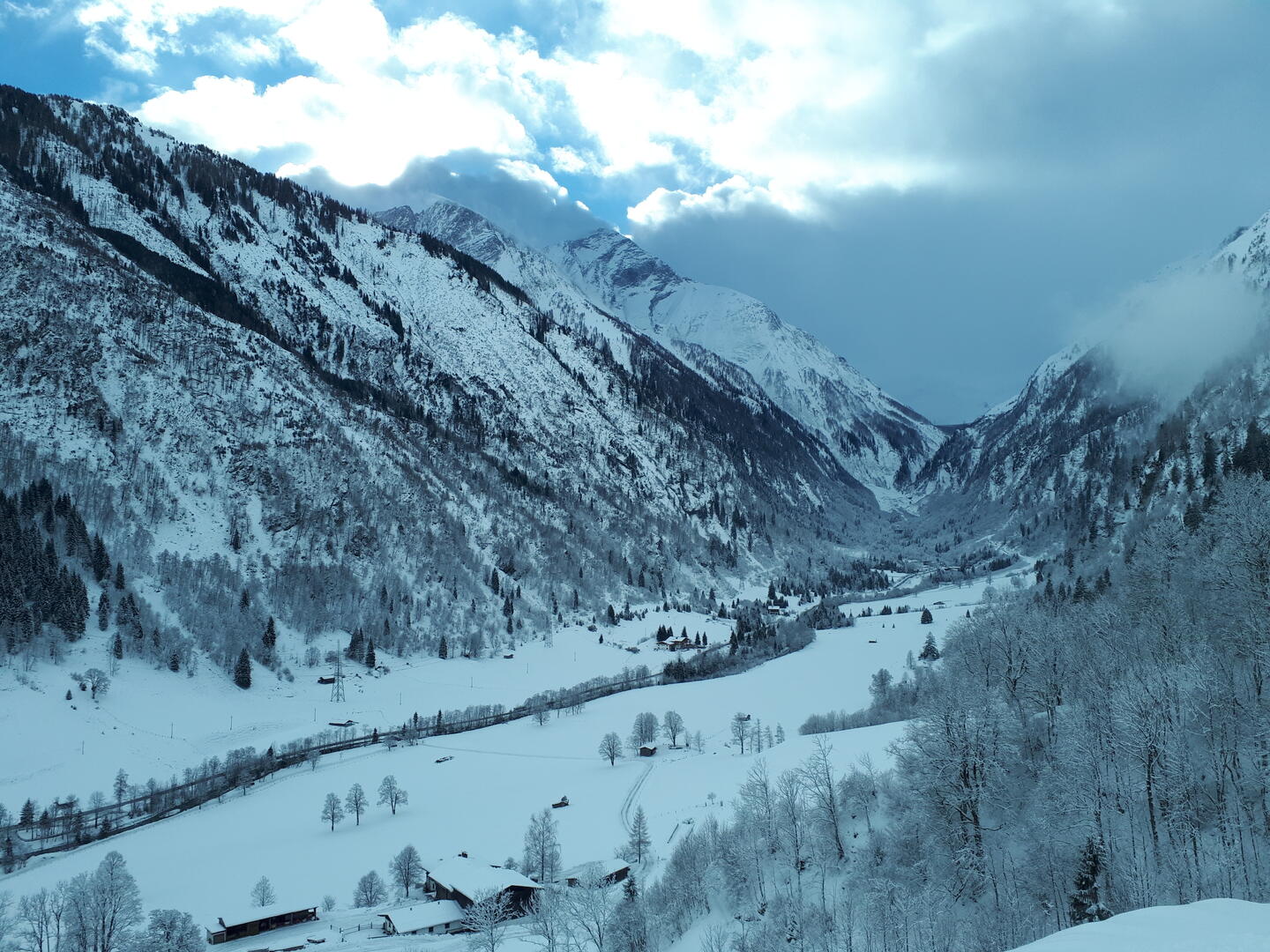
Kitzsteinhorn is surrounded by 10,000 hectares of contiguous hunting grounds—an area slightly larger than 14,000 soccer fields. The highest point within this area is the Großes Wiesbachhorn at an elevation of 3,564 meters. The widespread windthrow caused by the foehn windstorm “Uschi” in November 2002 also brought major changes for the region’s wildlife. During the subsequent reforestation project, tourism, hunting, forestry, and agriculture joined forces in a unique initiative designed to enable red deer and the cultivated landscape of the Kaprun Valley’s newly established forests to coexist with as little damage as possible.
The restoration project following the foehn windstorm “Uschi” was completed in 2023 after approximately two decades. The protective forests on the steep slopes of the Kaprun Valley are once again stable.
However, as the new forest grew denser, observing the wildlife—and carrying out the necessary population management—became more difficult. Because red deer can damage young trees through browsing, antler rubbing, and bark stripping, a scientifically supported project was launched in 2015 alongside the forest restoration work to gain greater insight into the behavior of red deer in the Kaprun Valley.
Initiated by Gletscherbahnen Kaprun AG, the project brought together researchers and representatives from tourism, hunting, forestry, and agriculture. Red deer were fitted with tracking devices, observed, and analyzed, and a management system tailored to the growing forest was established. The clearly defined goal was to manage red deer populations in a way that would allow a diverse range of tree species to grow and ensure the forest could fulfill its protective function. Together with researcher Paul Griesberger, we take a closer look at how science and real-world practice were brought together.
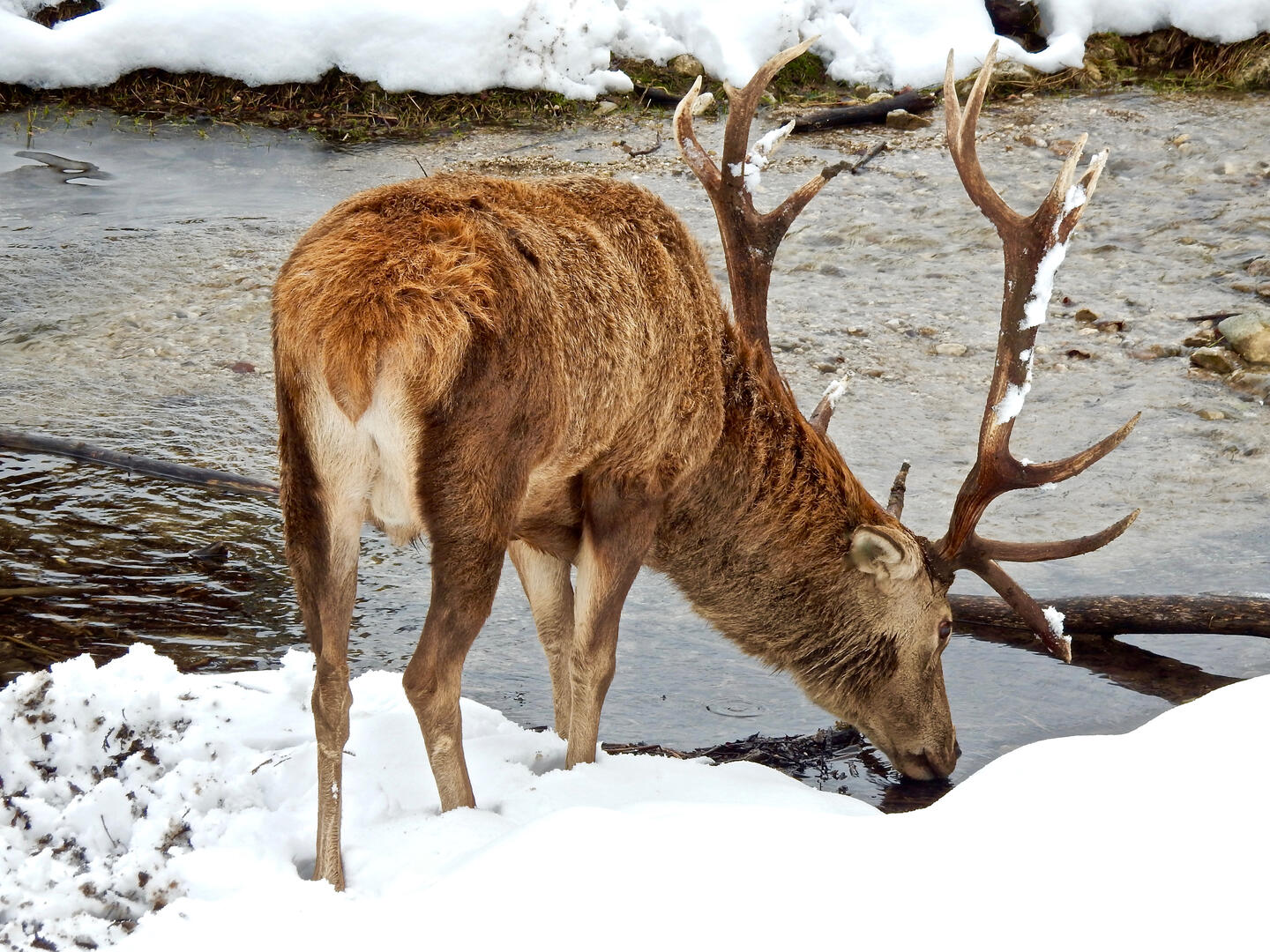
Behind the Scenes of Red Deer Behavior
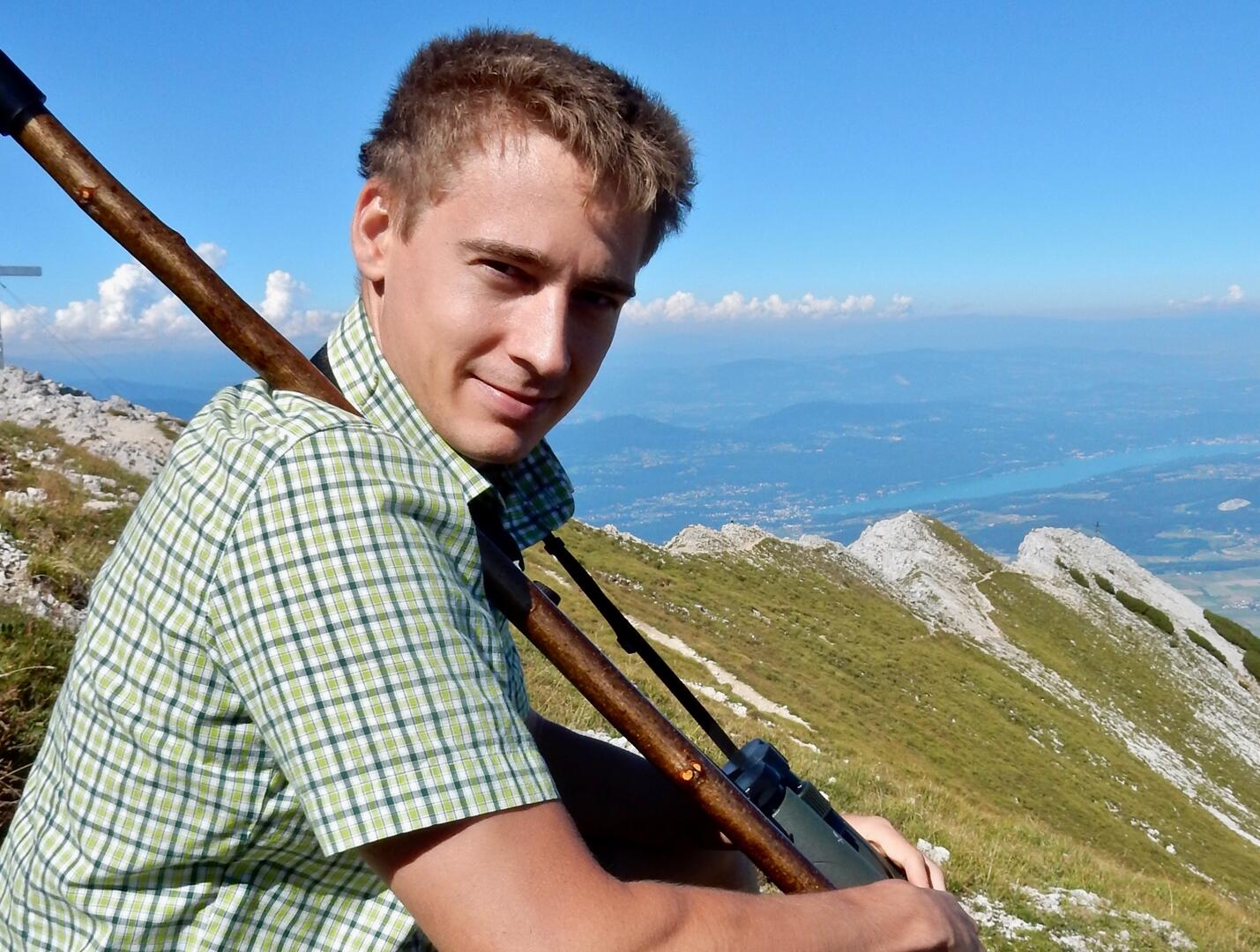
Dr. Paul Griesberger provided scientific support for the project from 2015 to 2018 as a member of the Institute of Wildlife Biology and Game Management at the University of Natural Resources and Life Sciences, Vienna (BOKU). He explains:
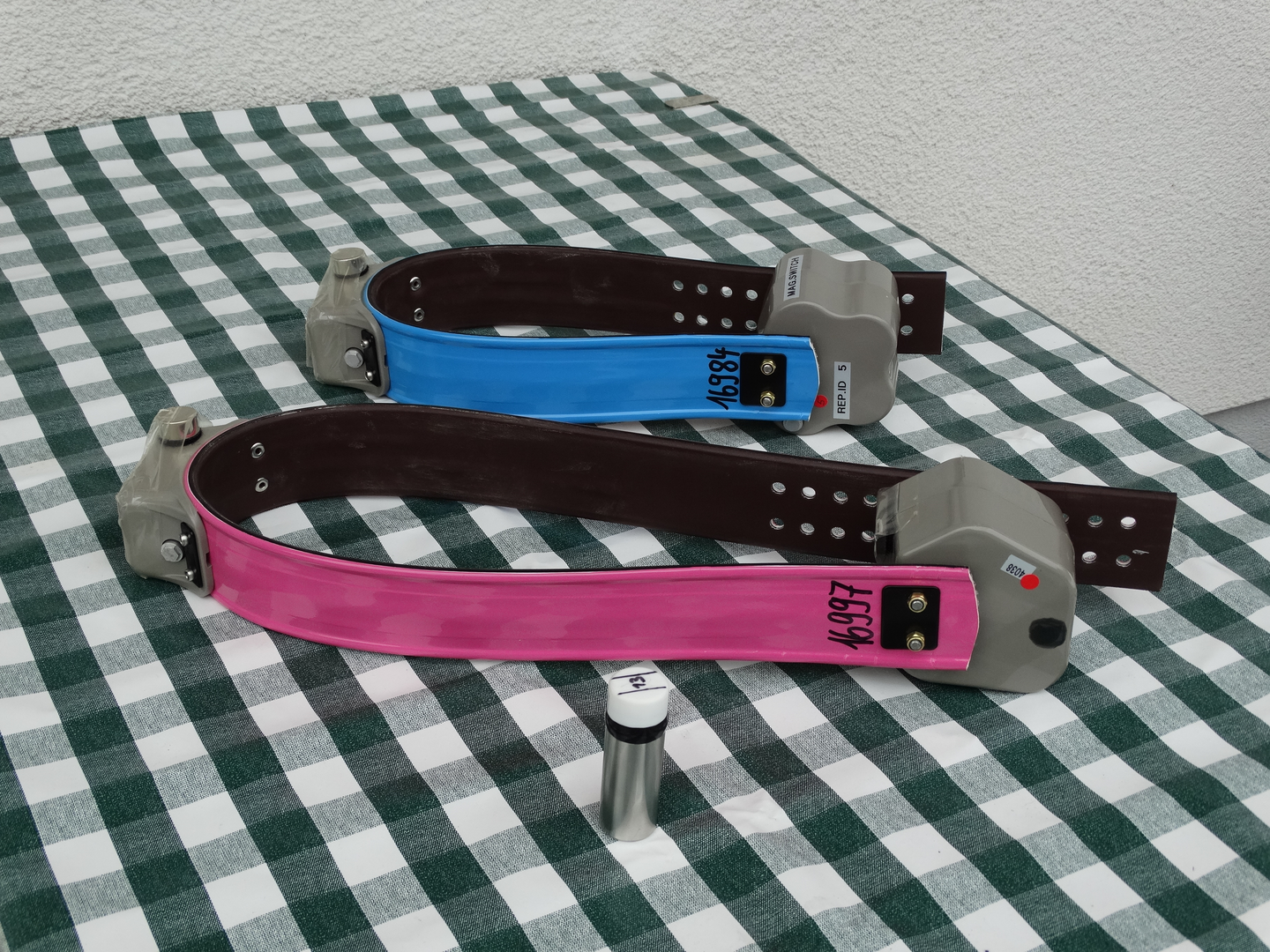
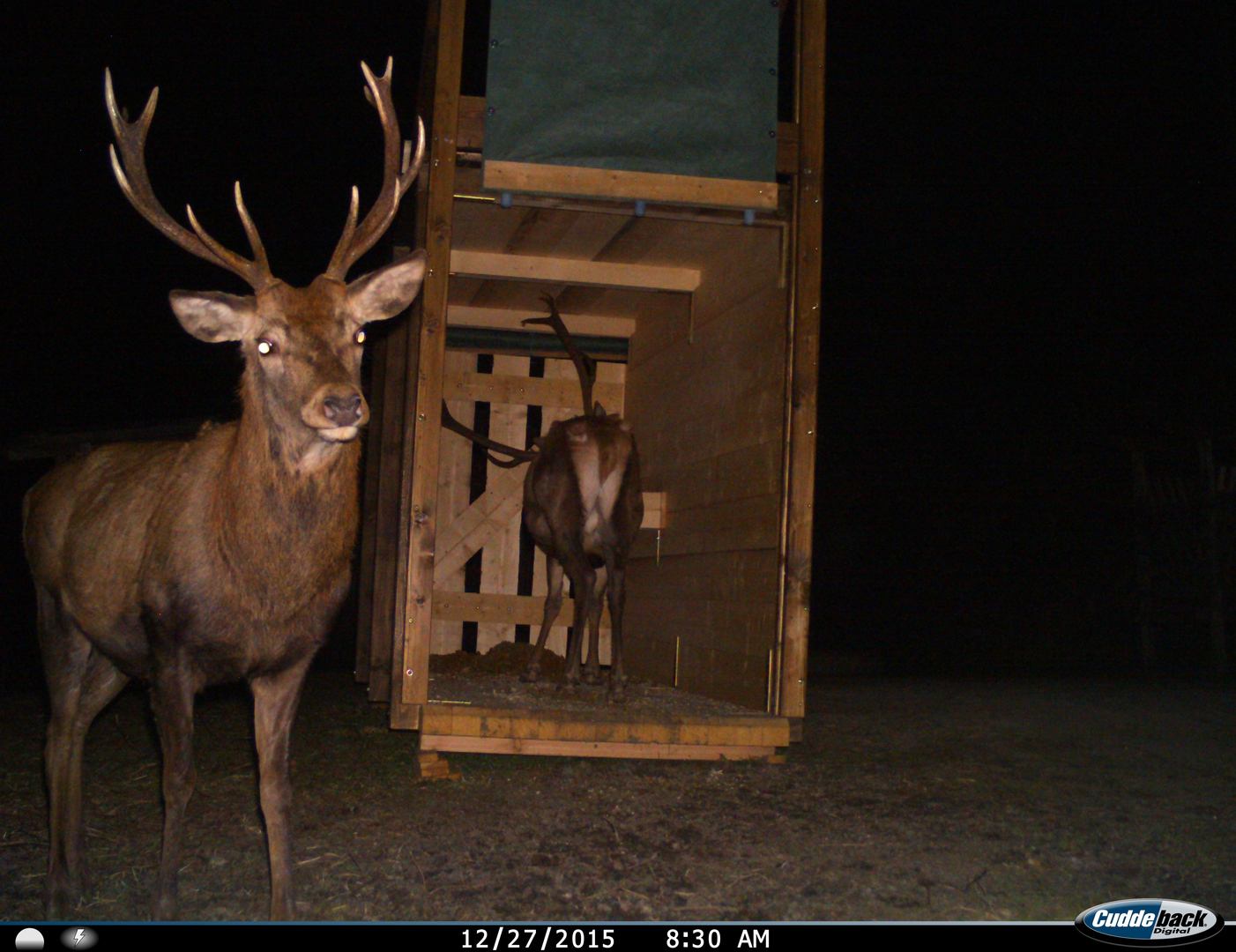
“Our first step was to gain a behind-the-scenes look at red deer, which are true masters of concealment. Twenty animals were fitted with tracking devices at winter feeding sites. Individual animals were caught in large wooden box traps and equipped by hunters and veterinarians with GPS collars, rumen sensors, and ear tags.
“The tracking devices allowed us to determine not only the exact locations of ten female and ten male animals, but also their heart rates, body temperatures, and other physiological data. Data was collected every three hours and transmitted to the Institute of Wildlife Biology and Game Management once a day. These ‘texts from a stag’ provided fascinating insights and more than a few eye-opening moments during our analysis.”
I believe this project marked an important step in demonstrating how red deer can be integrated into a human-shaped cultural landscape while minimizing wildlife damage.
Homebodies and Long-Distance Travelers
Paul Griesberger, who was also responsible for analyzing the transmitted data, was surprised by the results:
“The tracking data showed that no two red deer are alike. Just like people, they have different personalities. Although there are naturally certain similarities within a red deer population, I was fascinated by the distinct behavioral patterns.
“We identified major differences in how the animals used their habitat. Some were homebodies that remained in the same home range—their ‘living room’—throughout the year and left it only during the rutting season. Others migrated between their summer and winter ranges.
“Then there were the long-distance travelers. They remained within a small range near the feeding site during winter, but covered long distances into neighboring valleys in spring and returned to the feeding site only in fall.
“The record holder among them traveled approximately 17 kilometers in around 48 hours to reach its summer range in the Fusch Valley. It spent the winter back at the feeding site in Kaprun, but on exactly the same day as the year before, it followed the same route around the Imbachhorn and returned to the Fusch Valley.”
Taking Their Pulse
Josef Zandl, estate manager at Gut Fischhorn, was part of the Integrated Red Deer Management research team. Even the experienced farmer, forester, and hunter was surprised by some of the data:
“The red deer’s heart rate fell from 90 beats per minute in summer to around 30 in winter. This shows that deer enter a kind of standby mode during the cold season, reducing their bodily functions to conserve energy.
“This is a particularly sensitive time for disturbances because the energy loss suffered by a startled deer as its heart rate increases can be enormous. Their need for peace and quiet must therefore be respected, especially during winter.”
Red deer avoid people whenever possible. Sometimes, however, an appealing source of food is tempting enough for them to tolerate human activity nearby. Josef Zandl recalls:
“I remember the data from one stag that spent several weeks in November directly behind the Panoramabahn parking lot throughout the day, feeding on fallen ash and sycamore maple leaves.
“It was not able to feed in complete peace because its heart rate was significantly elevated by the nearby people. Despite remaining ready to flee at any moment, the stag stayed within 100 to 150 meters of the parking lot and the winter sports enthusiasts.”
Recreation and Wildlife Can Coexist
The extensive data and insights enabled the project team to draw conclusions about red deer management and land-use planning. The effects of recreational activity on the animals were also examined. Paul Griesberger explains:
“The results clearly demonstrate that recreation and red deer can coexist within the same area, provided everyone follows certain rules.
“In coordination with the municipality of Kaprun and Gletscherbahnen Kaprun AG, a large-scale land-use concept has been established in the Kaprun Valley. The western side of the valley is used primarily for tourism, while the eastern side is regarded as a quiet zone with minimal tourism activity.
“This concept serves as an example for other regions and will become increasingly important as tourism continues to grow.”
The Integrated Red Deer Management project supports the value of the Kaprun Valley’s land-use planning with clear and compelling findings. It allows people seeking recreation to experience a magnificent mountain landscape while also taking the needs of the native wildlife into account.
Looking back, Paul Griesberger says:
“This project is definitely one of the most fascinating I have been involved in during my scientific career. I believe we succeeded in taking an important step toward demonstrating how red deer can be integrated into a human-shaped cultural landscape while minimizing wildlife damage.
“At the same time, we were able to present strategies for restoring and preserving stable forest populations.”
Anyone interested in learning more about this unique project can download the complete Integrated Red Deer Management brochure here (in German).